Get the weekly hi-fi digest — new gear, best reads, and deals.

Google announced beta rollout in Japan of Gemini’s music generation feature using DeepMind’s Lyria 3 model, creating high-quality songs within seconds.
Lyria 3 improves audio generation with automatic lyric creation, finer creative controls over style, vocals, tempo, and enhanced realism and musical complexity.
Gemini supports two creation modes: text-to-music for genre, mood, or memories, and photo/video-to-music using visual context to compose songs.
From a signal-chain perspective, Lyria 3 reads less like a novelty generator and more like a tightly constrained composition engine optimized for short-form coherence. The notable shift is not just lyrical synthesis layered atop audio, but the tighter coupling between semantic intent and timbral outcome. Compared with earlier generative music systems that tended to smear transients or collapse harmonic detail under dense arrangements, Google frames Lyria 3 as emphasizing internal musical structure—phrasing, dynamic contour, and vocal presence—suggesting a model trained with stronger priors on song form rather than raw waveform plausibility. This aligns with DeepMind’s broader trajectory: fewer uncanny textures, more predictable midrange balance, and less of the phasey artifacts that audiophiles typically associate with early neural audio.
Where Google’s narrative diverges from some industry commentary is in its insistence that the system is not chasing “masterpiece” fidelity. That framing contrasts with how competing platforms market ever-higher realism, yet it explains several design choices: deliberate abstraction when artist names appear in prompts, filters that cross-check outputs against known works, and the mandatory embedding of inaudible identifiers. From an audio-engineering standpoint, SynthID is especially interesting because it operates below perceptual thresholds without audibly degrading noise floor or stereo imaging, positioning it closer to professional broadcast watermarking than consumer DRM. The result is a tool that prioritizes traceability and expressive play over reference-grade reproduction—an approach that may frustrate purists, but signals a clear line between creative sketchpad and finished production tool.
New gear, best reads, and deals — every Friday.

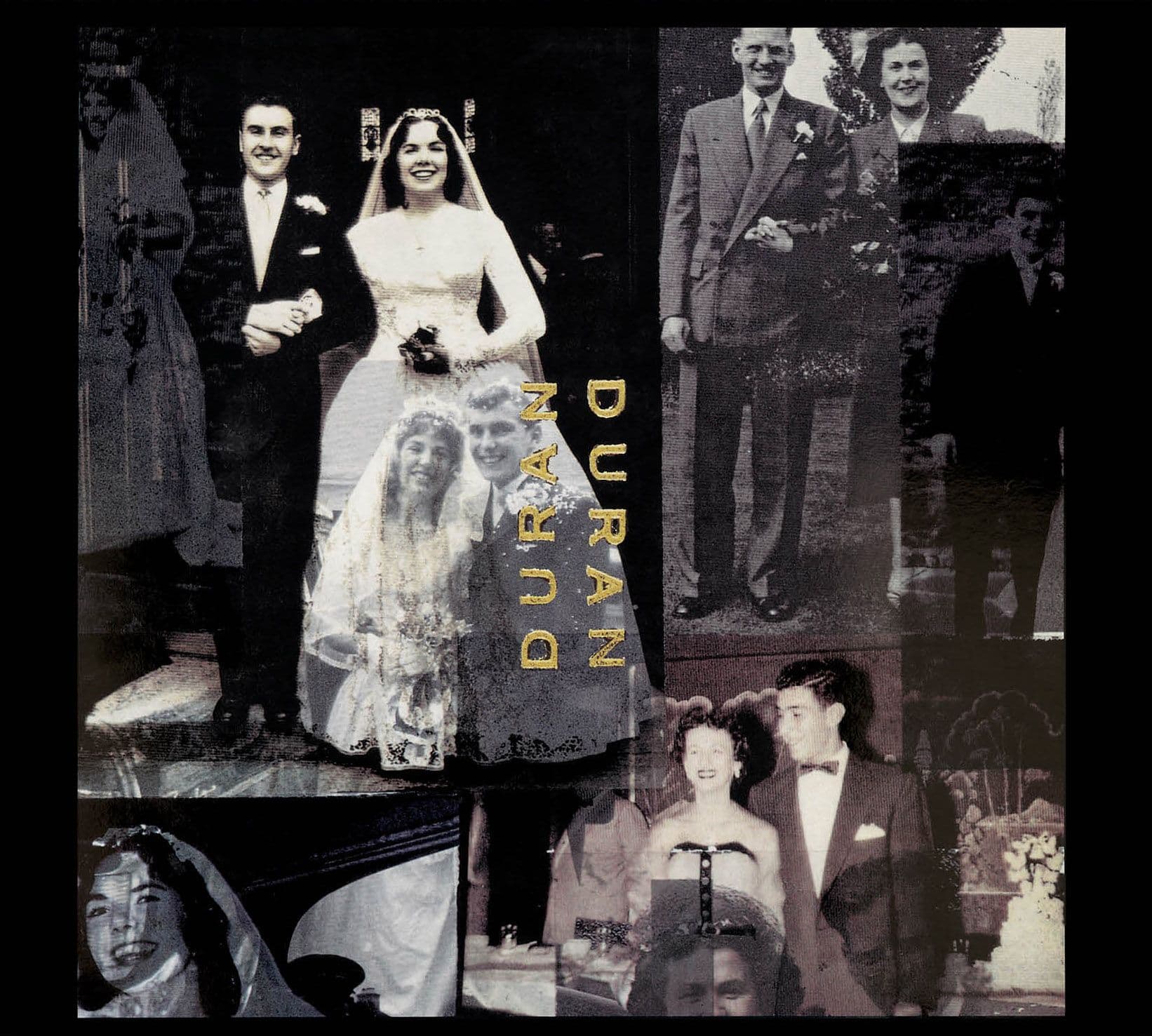
* Duran Duran’s 1993 ‘The Wedding Album’ and 1995 ‘Thank You’ are reissued on vinyl for the first time since original 1990s pressings.

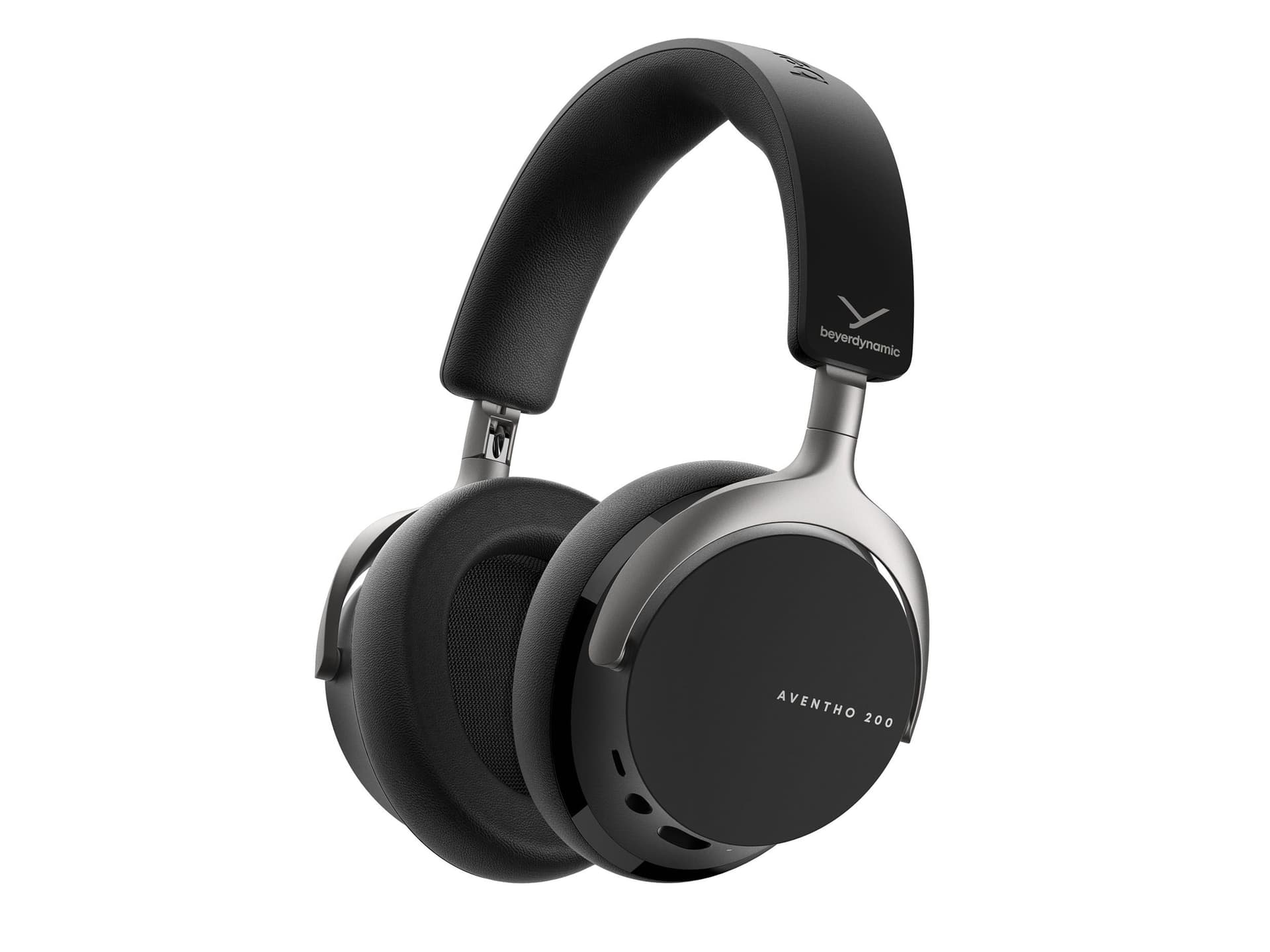
* beyerdynamic launched its flagship wireless over-ear headphones AVENTHO 200 on February 13, priced at ¥47,850, available in Black and Nordic Grey color optio…

* Queen will release a 5CD+2LP super deluxe Queen II box set on 27 March 2026 via EMI, expanding the original 1974 album extensively.

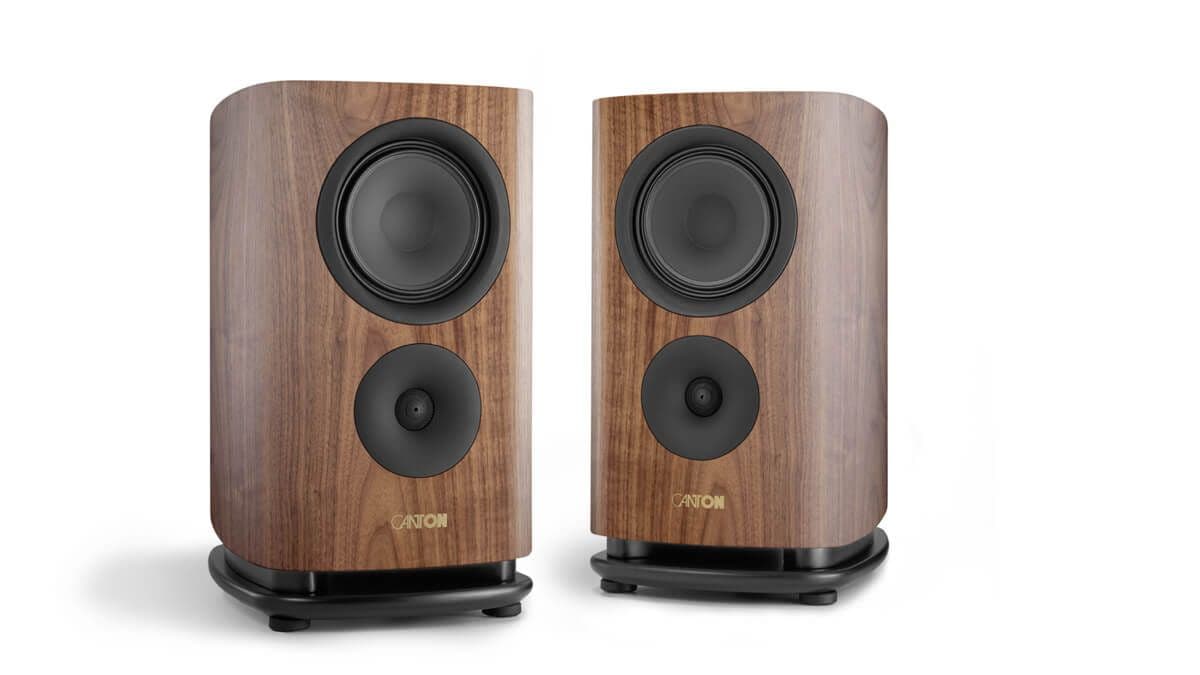
* Canton introduces the Reference 9 GS Edition compact two-way speaker, debuting at the Norddeutsche HiFi-Tage, integrating Reference-Alpha technologies into a…