Get the weekly hi-fi digest — new gear, best reads, and deals.

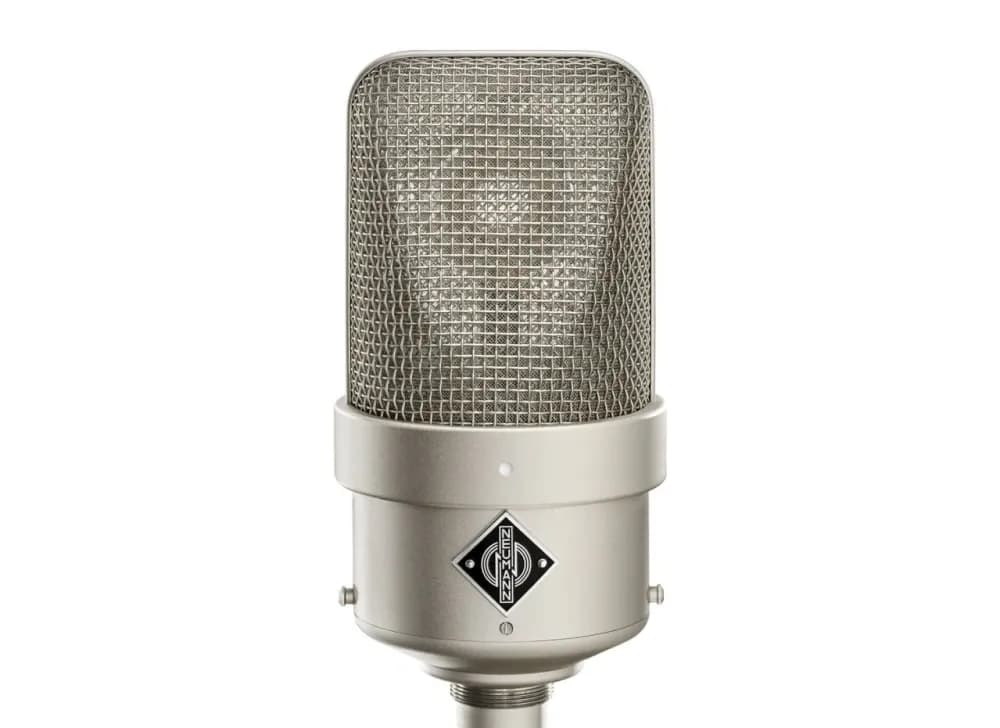
Neumann M 50 V revives the iconic 1960s tube microphone for orchestral recording, combining vintage circuitry with modern reliability upgrades.
An omnidirectional K 33 Ti capsule sits in a 40 mm acrylic sphere, using a new titanium diaphragm for stability and longevity.
Original circuit topology is retained but updated with an ultra‑low‑noise subminiature tube and RF‑shielded connector to resist modern interference.
What makes the M 50 V interesting is not the nostalgia play but how Neumann interprets historical constraints through a contemporary engineering lens. The decision to keep the original circuit topology, rather than silently “optimise” it for flatter lab measurements, signals a prioritisation of temporal coherence and transient behaviour over headline specs. In practice, that topology is known for a slightly relaxed rise time and a density in the lower midrange that orchestral engineers often describe as depth rather than colour. The modern tube choice is less about changing that character and more about controlling variance: tighter tolerances and lower self‑noise mean the microphone behaves predictably in multi‑mic arrays, where small inconsistencies quickly translate into imaging blur.

The capsule-in-sphere design remains the real talking point among engineers, because its acoustic behaviour is fundamentally frequency-dependent rather than pattern-switchable. Unlike classic omnis that stay spatially vague at the top end, this geometry introduces controlled directivity as wavelengths shorten, effectively sharpening localisation cues without collapsing room information. Compared to modern large-diaphragm omnis designed for neutrality, the M 50 V leans into psychoacoustics: it captures hall size and ensemble placement in a way that feels “mixed” before a fader is touched. That explains why some engineers still prefer it over newer surround-specific microphones, even if those offer cleaner graphs on paper.
From a system-integration perspective, the updated power and connection scheme matters more than it might seem. Contemporary studios are saturated with RF noise from lighting, networking, and wireless systems, and vintage tube microphones are notoriously vulnerable in such environments. By hardening the signal path against interference while keeping impedance and output behaviour within traditional expectations, Neumann positions the M 50 V as a drop‑in tool rather than a museum piece. It is less about recreating a sound of the past and more about preserving a recording method that still solves spatial problems better than many modern alternatives.
New gear, best reads, and deals — every Friday.

* Duran Duran’s 1993 ‘The Wedding Album’ and 1995 ‘Thank You’ are reissued on vinyl for the first time since original 1990s pressings.

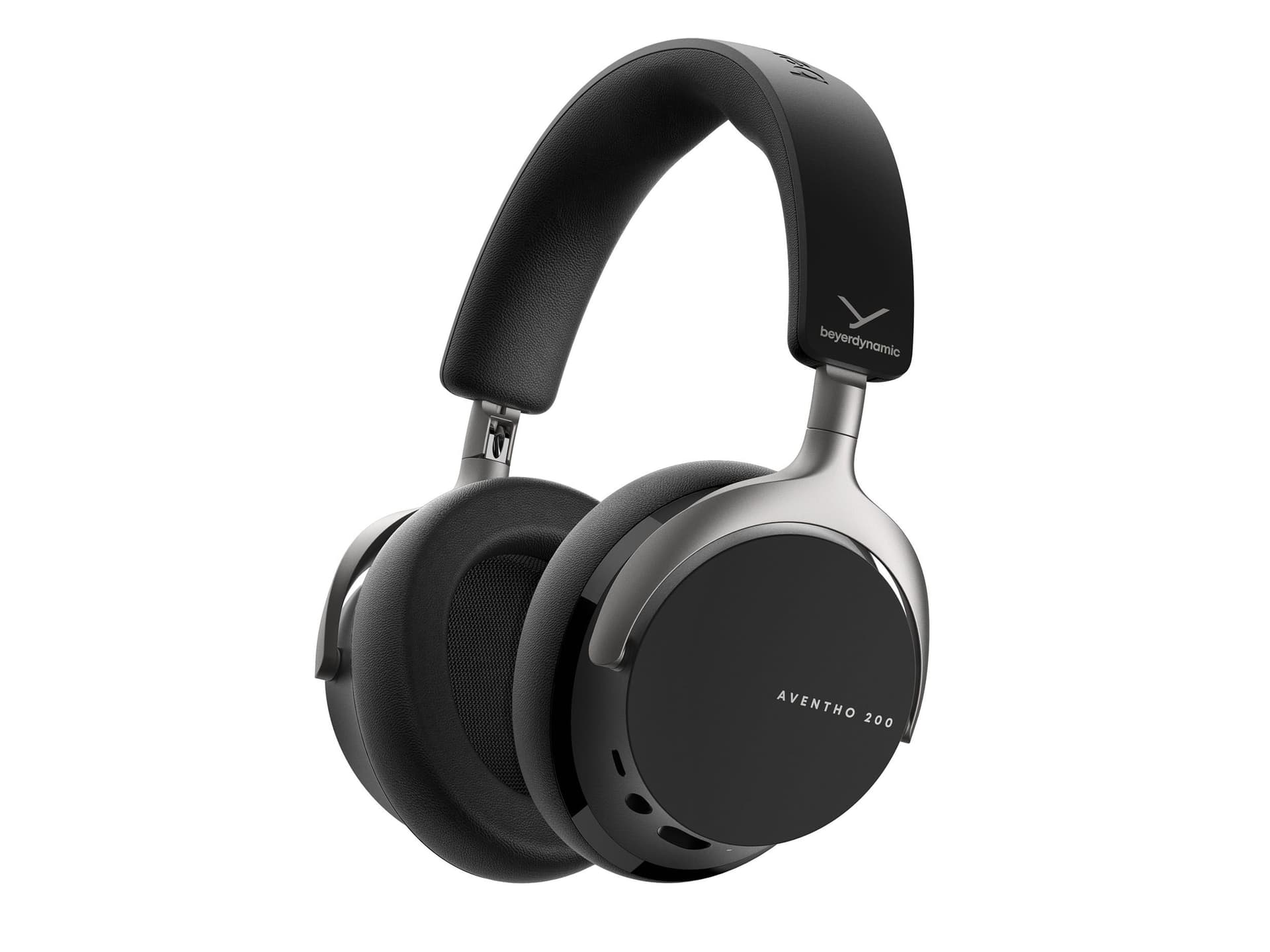
* beyerdynamic launched its flagship wireless over-ear headphones AVENTHO 200 on February 13, priced at ¥47,850, available in Black and Nordic Grey color optio…

* Queen will release a 5CD+2LP super deluxe Queen II box set on 27 March 2026 via EMI, expanding the original 1974 album extensively.

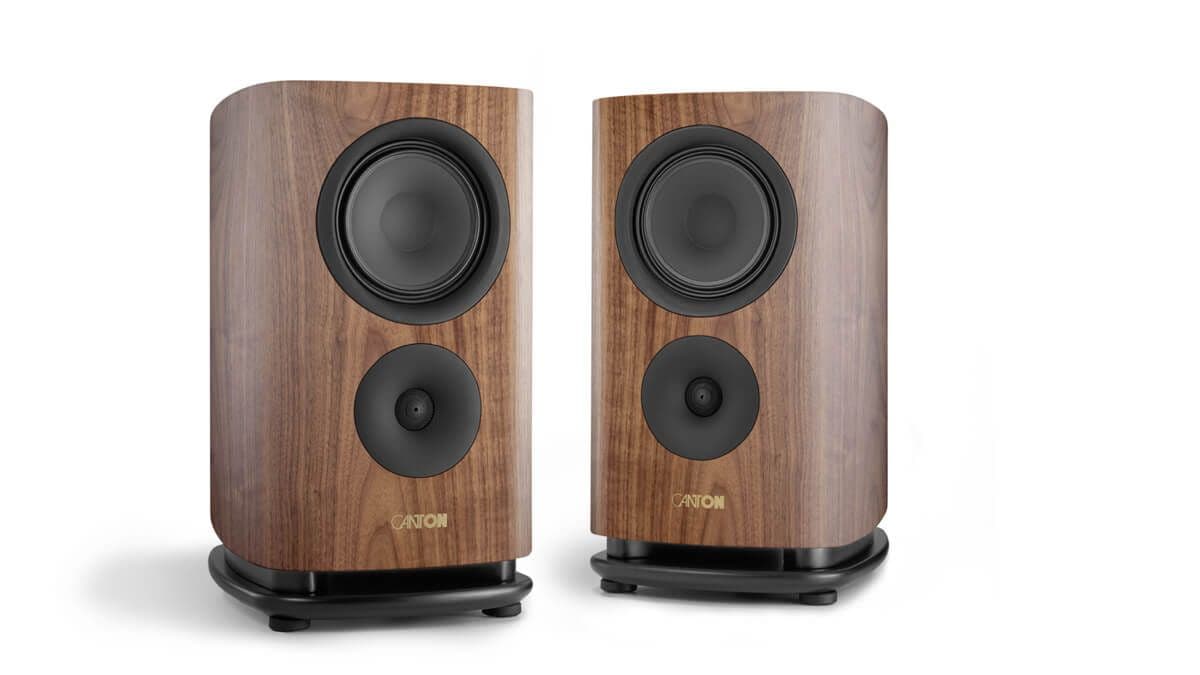
* Canton introduces the Reference 9 GS Edition compact two-way speaker, debuting at the Norddeutsche HiFi-Tage, integrating Reference-Alpha technologies into a…