Get the weekly hi-fi digest — new gear, best reads, and deals.

EU mandates Apple open iOS features like AirPlay and AirDrop to third-party developers under the Digital Markets Act.
Changes aim to enhance interoperability, driving competition and innovation beyond Apple's ecosystem.
Apple argues the directive may compromise user experience, reliability, and security of proprietary features.
The European Union has mandated that Apple open up key iOS functionalities, including AirPlay and AirDrop, to third-party developers under the Digital Markets Act. This decision positions Apple as a gatekeeper with significant responsibilities towards ensuring fair competition within the tech ecosystem. The move aims to dismantle Apple's tight control over its proprietary features, fostering a more open environment where other manufacturers can innovate and provide alternative solutions.
Apple has strongly opposed the EU's directive, arguing that the new regulations could negatively impact user experience and stifle innovation. The company contends that features like AirDrop and AirPlay are integral to the seamless integration of its ecosystem, and opening them up might compromise the quality and reliability that users expect. Additionally, Apple raises concerns about the potential security risks associated with allowing third-party access to sensitive system functionalities.

Despite Apple's resistance, the EU Commission maintains that these changes will benefit consumers by allowing a broader range of devices to interact more effectively with iPhones. Enhanced interoperability is expected to lead to the development of advanced features and more competitive alternatives, such as improved Bluetooth headphones that can seamlessly pair and switch audio sources just like Apple's AirPods. This increased competition is anticipated to drive innovation and provide users with more choices in the market.
Technically, the EU's requirements include granting third-party devices access to iOS notifications, enabling high-bandwidth peer-to-peer Wi-Fi connections, and opening the NFC chip for data communication, including payment details. These changes will be implemented in stages, with beta support for third-party notifications expected by the end of the year and full rollout by 2026, coinciding with the release of iOS 19 and iOS 20. Other functionalities, such as media casting alternatives, are also slated for late 2026.
Ultimately, the EU's intervention seeks to reduce Apple's dominance and encourage a more diverse and competitive tech landscape. By mandating interoperability and access to core system features, the commission aims to empower both consumers and developers, fostering an environment where innovation can thrive beyond the confines of a single ecosystem.
New gear, best reads, and deals — every Friday.

* Queen will release a 5CD+2LP super deluxe Queen II box set on 27 March 2026 via EMI, expanding the original 1974 album extensively.

* Audio Research I/55 is a compact tube integrated amplifier derived from I/70, succeeding I/50, targeting high-end listeners seeking classic tube sound with m…

* ToxFreeLife tested 81 headphone models from brands including Sony, Apple, JBL, Bose, Samsung, and Temu across European retail and online marketplaces.

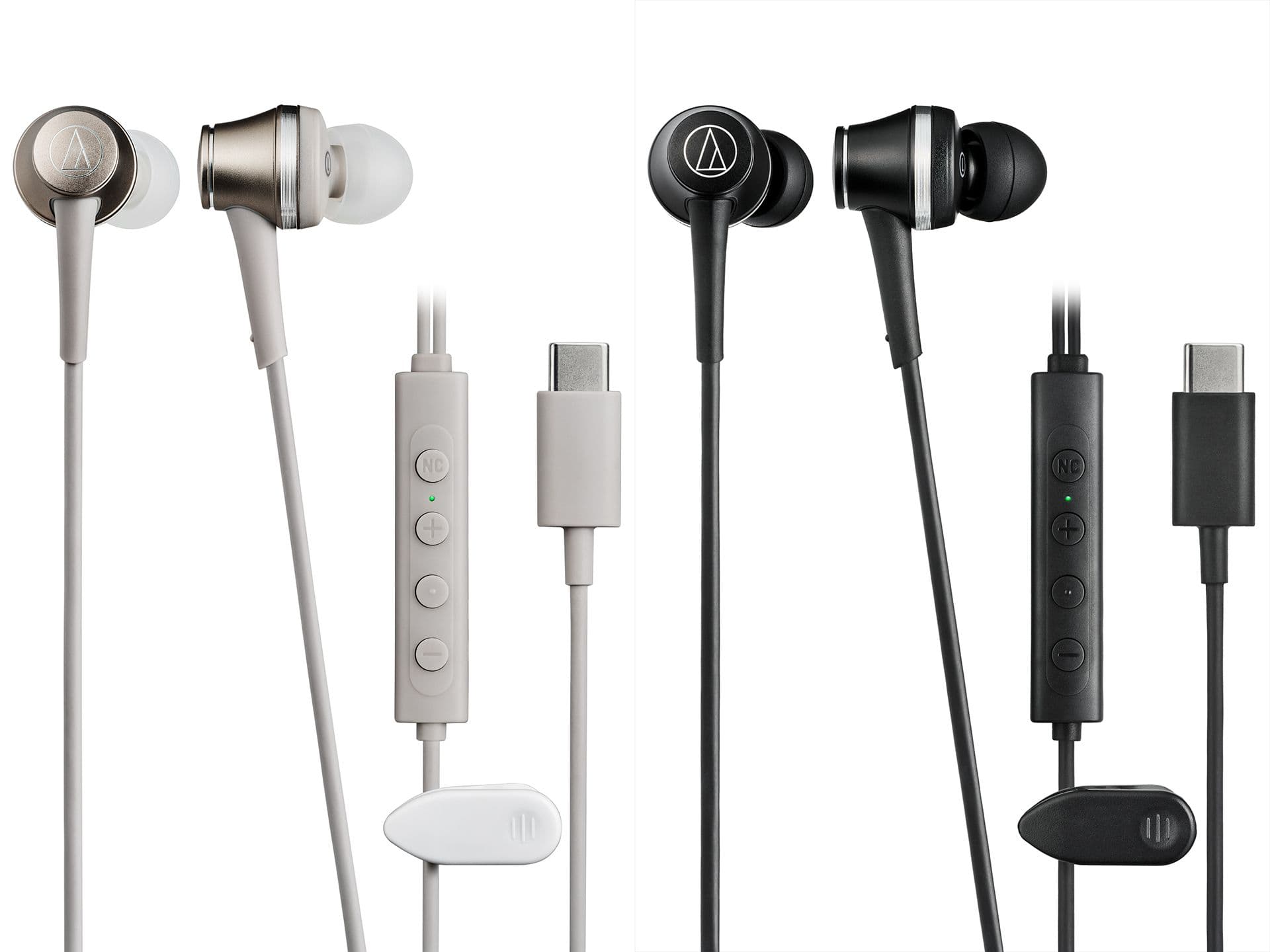
* Audio-Technica launches the ATH-CKD7NC USB-C wired earphones on February 27, featuring hybrid noise cancelling and priced at ¥9,680 via direct sales.