Get the weekly hi-fi digest — new gear, best reads, and deals.

Remastering can enhance or harm audio quality depending on the engineers’ skill and intent.
The "loudness war" often sacrifices dynamic range for volume, frustrating audiophiles.
Some remasters alter originals controversially, using auto-tune or instrumentation changes.
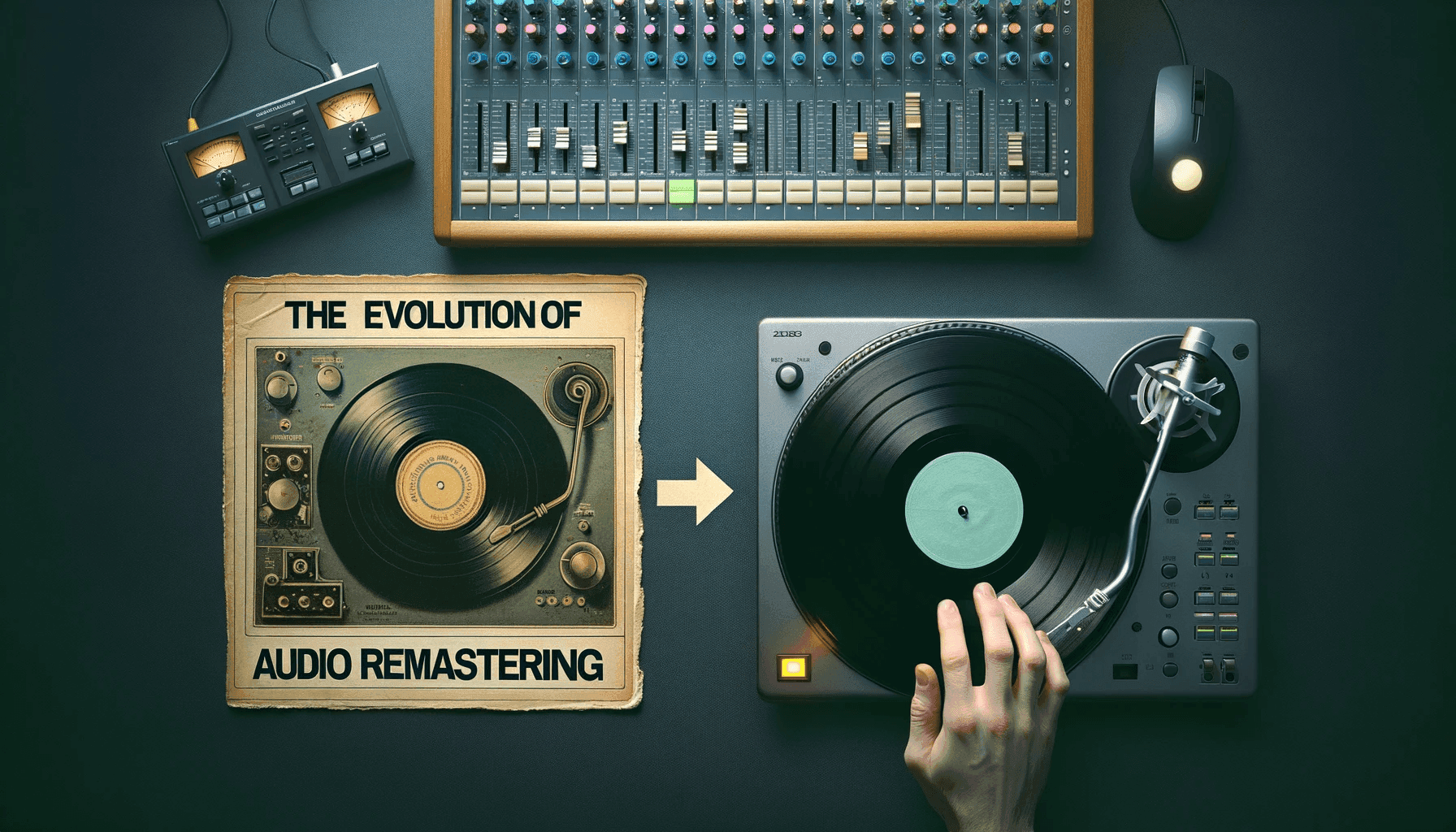
The term "remastered" often captures the attention and imagination of audiophiles and casual listeners alike. The promise of a cleaner, richer, and more detailed sound experience is compelling. However, remastering is a complex process that can either enhance or deteriorate the quality of an audio track. It's essential to understand what remastering entails and how to sift through the good, the bad, and the ugly of remastered versions.
Remastering involves taking original audio tapes and transferring them to a digital format. The process can correct errors, improve sound quality, and sometimes even add new elements. However, these improvements are not guaranteed; the end result is contingent on the skill and intent of the engineers.

One of the most contentious issues surrounding remasters is the so-called "loudness war." This refers to the tendency of producers to compress the dynamic range of a track to make it as loud as possible, sacrificing audio quality for volume. This can be especially jarring for audiophiles who have high-end equipment capable of capturing a wide dynamic range.
Beyond the loudness war, some remasters take the liberty of altering the original tracks in ways that many consider disrespectful to the original work. The use of auto-tune on classic vocal performances or changing the instrumentation are examples of these kinds of alterations.
For those cautious of the possible pitfalls in remastered versions, vintage pressings—especially from periods like the early '80s—are highly prized. These pressings were often made with a greater dynamic range and are generally considered to offer a more authentic listening experience.
Companies like MoFi (Mobile Fidelity Sound Lab) specialize in high-quality remastering that respects the original audio. They often use the original master tapes and employ meticulous care in the remastering process, making them a preferred choice for audiophiles.
The equipment used for playback can significantly affect how a remastered track sounds. Higher-end equipment can make a poor remaster sound decent, or a good remaster sound extraordinary. For example, using a quality DAC and network streamer like the Eversolo DMP-A6 can dramatically improve your listening experience.
In the intricate world of audio remastering, not all remasters are created equal. For audiophiles and discerning listeners, the key is to sift through the multitude of options to find those that respect and enhance the essence of the original recording. Whether you find solace in vintage pressings or place your trust in reputable audiophile labels, understanding the nuances of remastering can help you make informed choices that elevate your auditory experience.
Newsletter
Get the week's top trending stories, best deals, and new product launches — straight to your inbox.

* Tears For Fears’ debut album *The Hurting* (1983) receives an SDE-exclusive Blu-ray Audio reissue, celebrating its 40th anniversary with modern surround remi…

* Munich-based retailer Hörzone will showcase the Sigberg Audio Saranna active floorstanding speaker in a dedicated demo room at Analogforum Moers.

* The World Baseball Classic 2026 Pool C Tokyo Round features Samurai Japan versus Australia, scheduled for March 8 with first pitch at 19:00 Japan time.

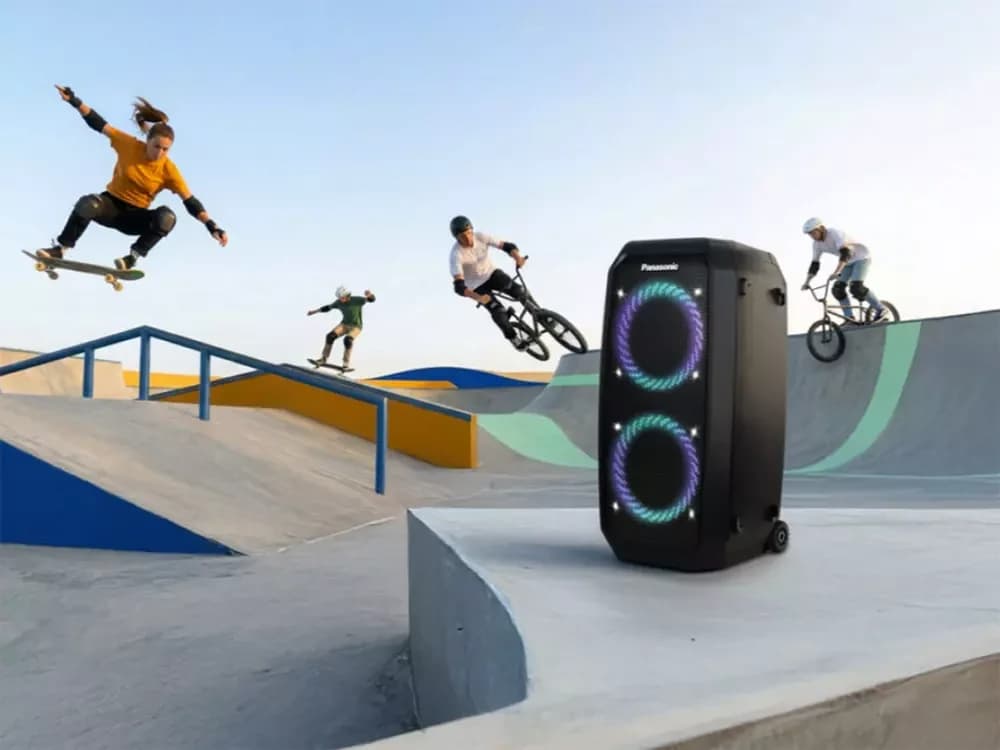
* Panasonic SC-BMAX30 is a monoblock wireless party speaker delivering 320 W RMS, targeting large rooms or outdoor events beyond typical Bluetooth speakers.