Get the weekly hi-fi digest — new gear, best reads, and deals.

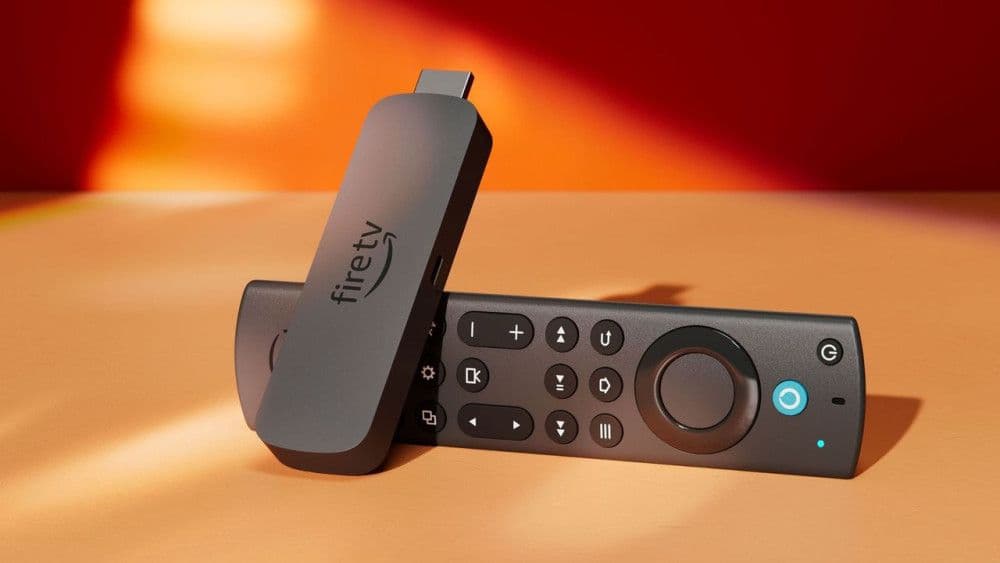
Amazon is rolling out a major Fire TV home-screen redesign in the United States, gradually updating streaming devices with a new, personalization-first interface.
The main navigation menu moves to the bottom of the screen, freeing space for large previews of recommended movies and series to speed content discovery.
Amazon emphasizes smarter recommendation algorithms tailored to individual viewing habits, claiming faster navigation and quicker access to relevant titles.
From a technical standpoint, the redesigned Fire TV shell appears to be less about cosmetic polish and more about rebalancing system resources around content prediction. Amazon’s platform has long relied on server-side recommendation engines, but the new interface suggests tighter coupling between cloud profiles and local UI rendering. The larger preview surfaces imply higher-resolution assets being cached more aggressively, which in turn points to improved memory management on Fire TV’s midrange SoCs. For users sensitive to UI latency—much like audiophiles noticing jitter in a digital chain—the promise here is reduced input lag between remote commands and on-screen response, especially when jumping across apps built on different SDK versions.
There is also a subtle but important shift in how Fire TV treats content sources at a system level. By collapsing previously discrete content types into a single discovery layer, Amazon is effectively abstracting app boundaries further, making the launcher behave more like an operating system dashboard than a traditional streaming hub. Some observers see this as Amazon doubling down on algorithmic mediation, while others note the technical upside: fewer context switches between app environments means less overhead for devices still running older Fire OS builds. The smoother transitions hint at revised animation pipelines, likely GPU-accelerated to avoid taxing CPU cores already busy with background recommendation updates.
Visually restrained design choices may look like an aesthetic decision, but they also align with practical display considerations. Neutral palettes and reduced contrast extremes are friendlier to a wide range of TVs, from budget LED panels to calibrated OLEDs used in serious home cinema setups. For enthusiasts accustomed to obsessing over noise floors and signal purity, the analogy is apt: a quieter interface lets the content breathe. Whether this redesign ultimately prioritizes user intent over platform strategy remains debatable, but on a purely technical level, Fire TV is moving closer to a unified, low-friction playback environment rather than a patchwork of competing apps.
New gear, best reads, and deals — every Friday.

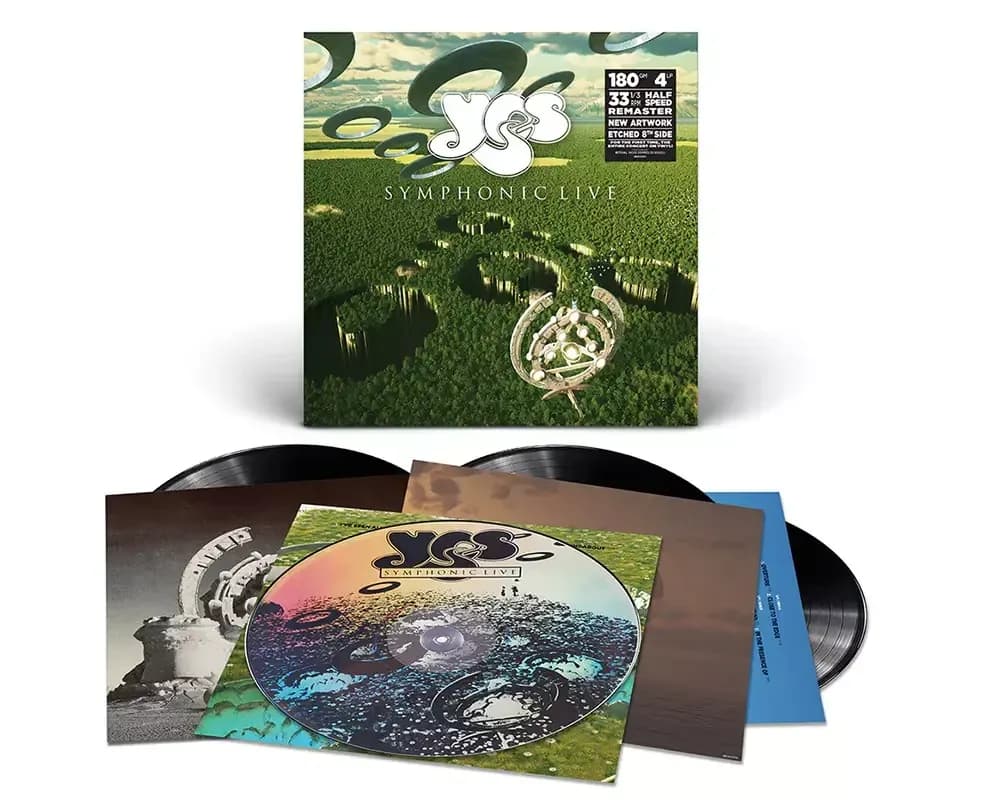
* Yes reissued their 2002 concert album *Symphonic Live* on four 180‑gram vinyl LPs via Mercury Studios/UMG, released January 23, 2026.

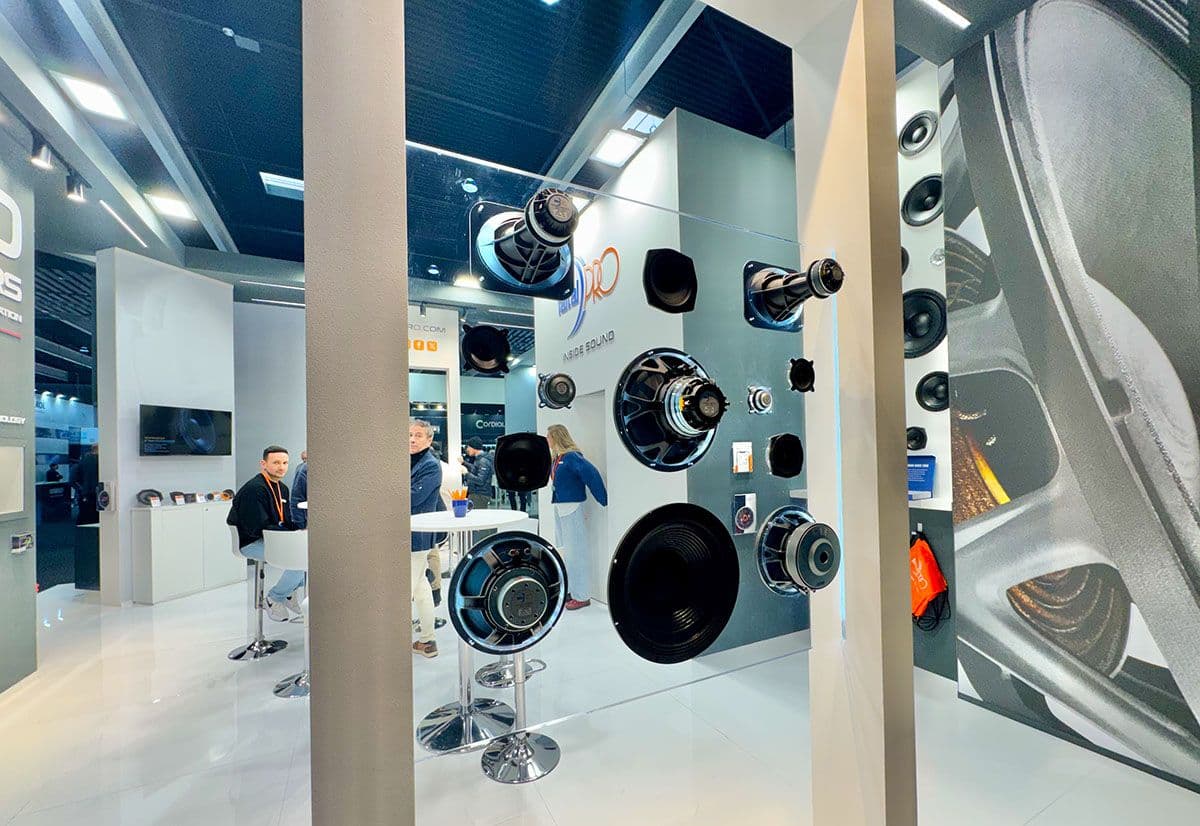
* At NAMM and ISE 2026, FaitalPro unveiled an expansive pro-audio lineup, spanning 21-inch subwoofers to compression drivers, highlighted by first Iron Nitride…

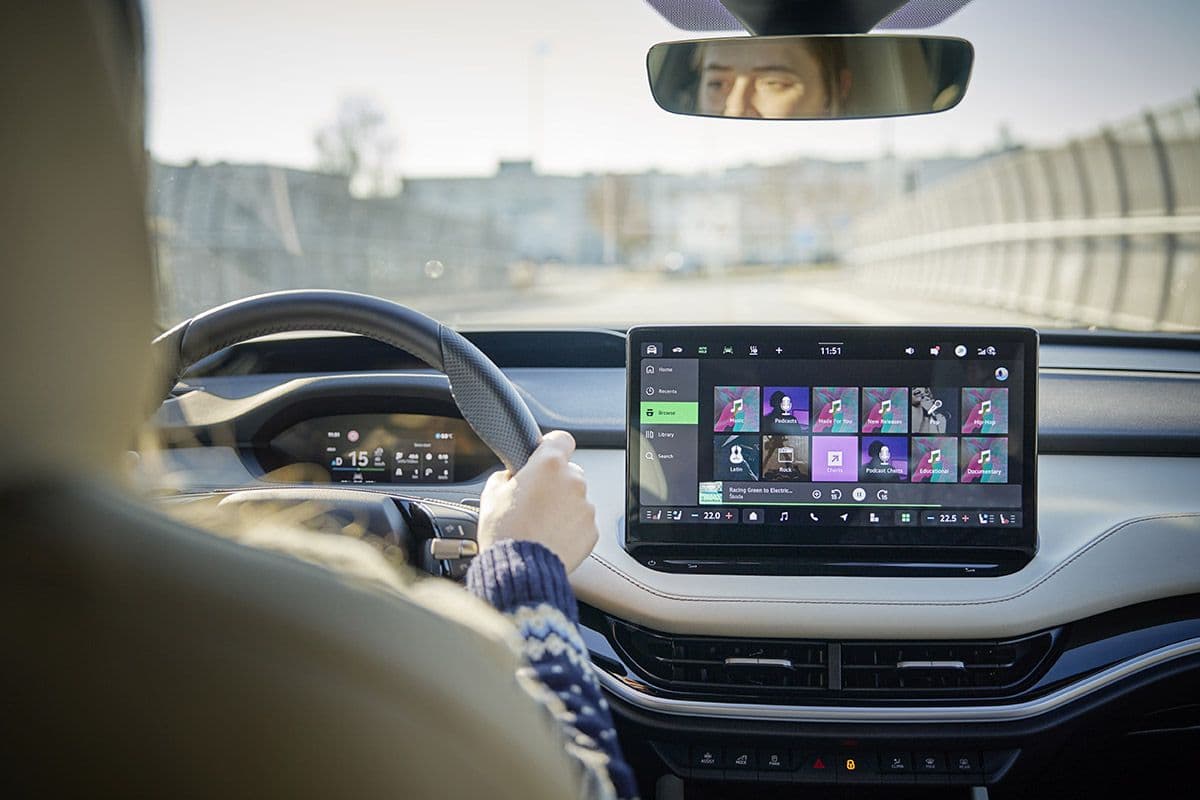
* Cinemo CORE enables native Spotify integration in Škoda Enyaq (software 4.0+) and all-new Elroq models, delivering in-car music, podcasts, and audiobooks wit…

T3 Audio
* Leaks suggest Samsung Galaxy Buds 4 Pro debut alongside upcoming Galaxy S26 Ultra at next week’s event, expanding launches beyond smartphones.