Get the weekly hi-fi digest — new gear, best reads, and deals.

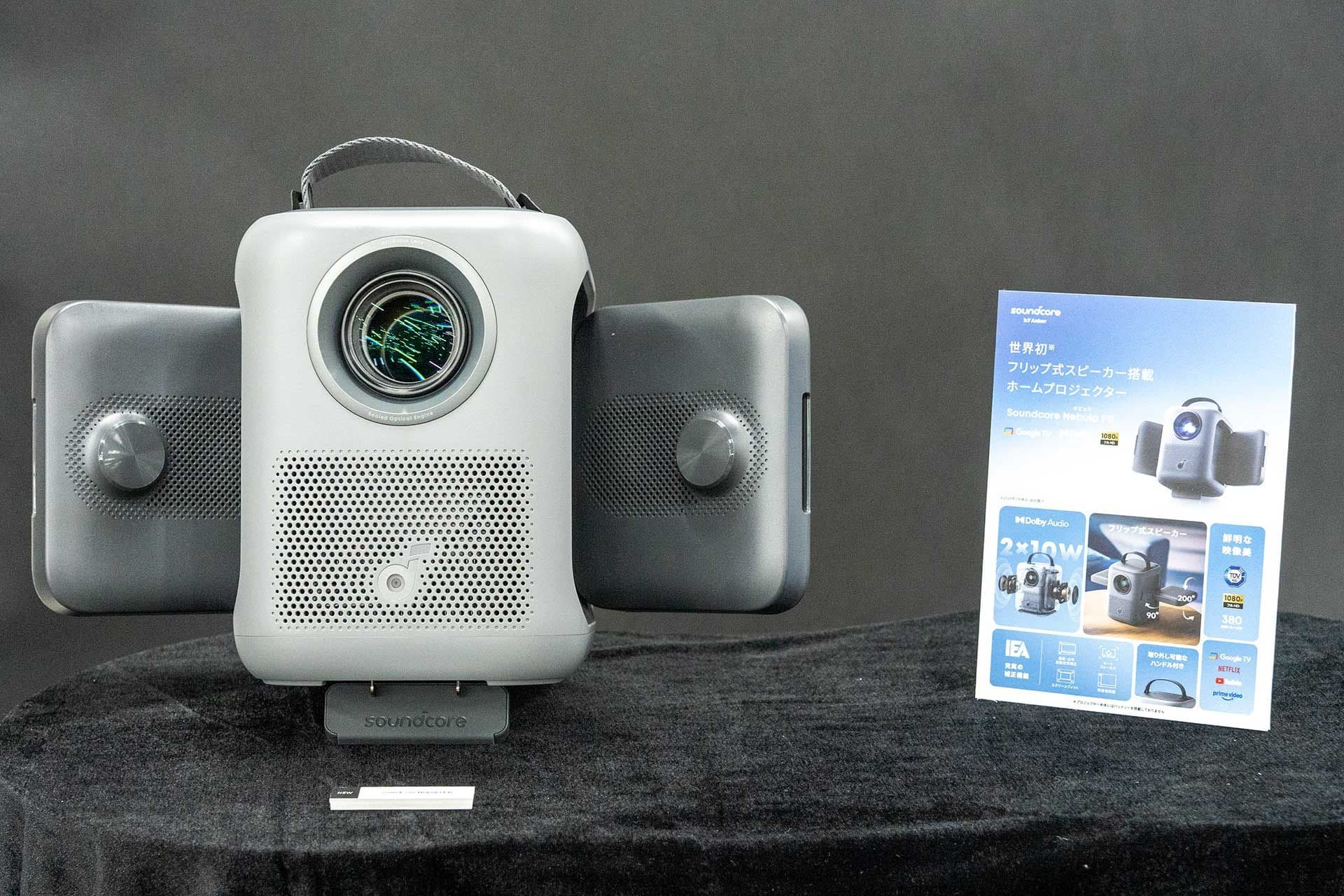
Anker Japan launched the Soundcore Nebula P1i projector on February 18, priced at ¥49,990, featuring a world-first built-in flip-style stereo speaker system.
The integrated speakers rotate 90 degrees horizontally and 200 degrees vertically, delivering flexible stereo sound placement with a total output of 20W (10W × 2).
Using an LED light source, the projector outputs 380 ANSI lumens with Full HD resolution (1920×1080), supporting 40–150 inch projection sizes.
What sets the P1i apart is less the novelty of moving parts and more the acoustic intent behind them. By physically decoupling the speaker baffles from the projection axis, Anker sidesteps a long‑standing compromise in compact projectors: forward‑firing drivers that beam sound into knees, walls, or ceilings. The flip mechanism effectively lets the cabinet “aim” the stereo image, improving channel separation and perceived soundstage without relying on DSP trickery alone. From an audiophile perspective, this is a mechanical solution to a psychoacoustic problem, and it hints at a design team prioritizing directivity and placement over raw output numbers. The enclosure volume remains limited, but the ability to orient the drivers suggests a cleaner midrange presentation and less boundary-induced coloration than typical all-in-one projectors.
On the visual side, the LED engine signals a bias toward longevity and thermal stability rather than peak brightness theatrics. LED projection at this class typically trades sheer punch for consistent color temperature and quieter operation, which aligns with living-room or late-night viewing where fan noise and spectral drift are more noticeable than absolute luminance. The inclusion of a physical tilt stand underneath reinforces the same philosophy: quick geometric alignment through hardware first, software second. This approach contrasts with ultra-minimalist competitors that lean entirely on digital correction, often at the expense of resolution integrity at the edges.
Connectivity and platform choices further underline a hybrid identity between smart display and audio hub. With HDMI ARC in play, the P1i can realistically function as a TV audio endpoint, not just a self-contained projector, allowing its speakers to handle external sources without unnecessary signal hops. The lack of internal power storage clearly positions it as a semi-mobile device—portable within a home or studio, but not a campsite toy. At roughly 3.3 kg with a detachable handle, it reads more like a compact AV component than a gadget, appealing to users who value coherent system integration over battery-powered convenience.
New gear, best reads, and deals — every Friday.

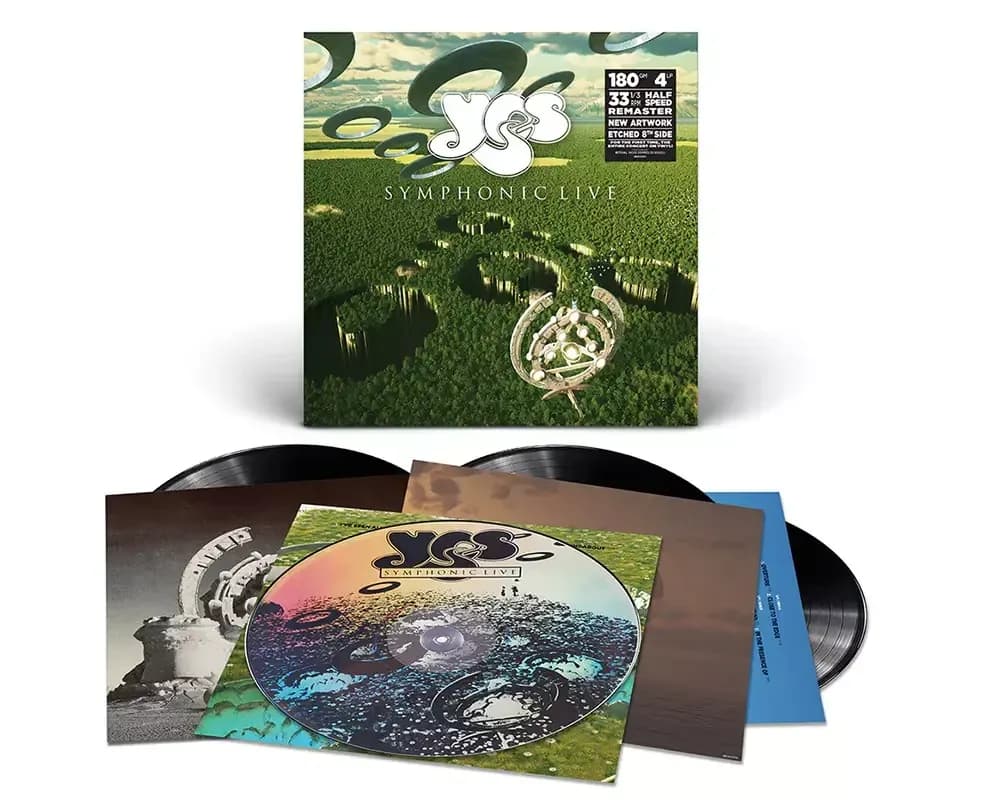
* Yes reissued their 2002 concert album *Symphonic Live* on four 180‑gram vinyl LPs via Mercury Studios/UMG, released January 23, 2026.

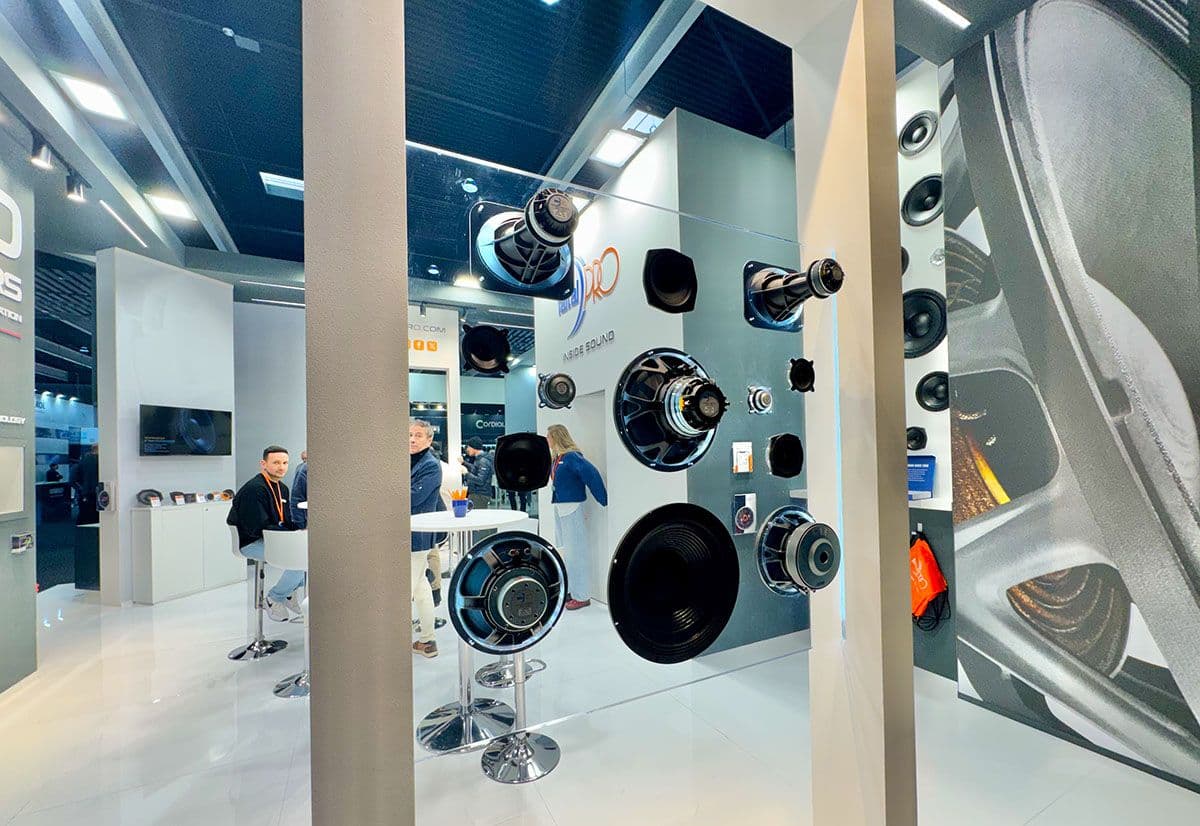
* At NAMM and ISE 2026, FaitalPro unveiled an expansive pro-audio lineup, spanning 21-inch subwoofers to compression drivers, highlighted by first Iron Nitride…

* Cinemo CORE enables native Spotify integration in Škoda Enyaq (software 4.0+) and all-new Elroq models, delivering in-car music, podcasts, and audiobooks wit…

T3 Audio
* Leaks suggest Samsung Galaxy Buds 4 Pro debut alongside upcoming Galaxy S26 Ultra at next week’s event, expanding launches beyond smartphones.