Get the weekly hi-fi digest — new gear, best reads, and deals.

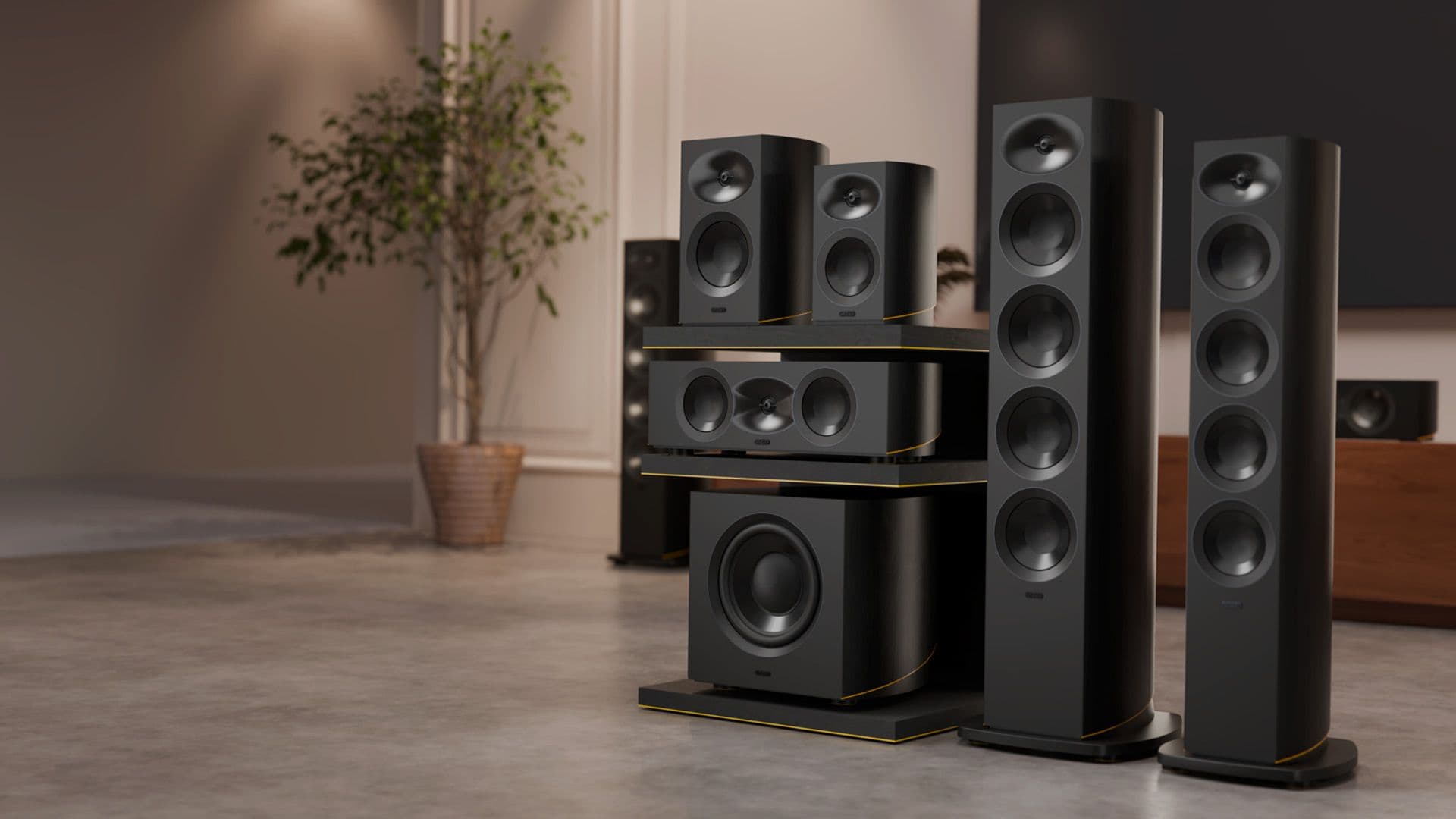
Arcam celebrates its 50th anniversary by returning to loudspeaker design, unveiling a complete six-model Radia speaker lineup at ISE Barcelona after decades focused on amplifiers.
The Radia range spans two bookshelf models, two floorstanders, a center channel, and an active subwoofer, covering stereo listening to full home-cinema setups.
Key models include R15 (£1,699) with 130 mm MCC driver, R25 (£2,599) with 165 mm MCC woofer, and flagship R45 (£5,998) featuring triple 165 mm bass drivers plus dedicated midrange.
What stands out in the Radia loudspeakers is not nostalgia but systems thinking. Rather than reviving legacy voicings, Arcam appears to have treated the speakers as the final gain stage of a tightly controlled signal chain. The Acoustic Lens waveguide is central here: by mechanically shaping the tweeter’s radiation pattern to better track the mid/bass units through the crossover region, Arcam is clearly chasing consistent directivity rather than headline sensitivity. That approach tends to trade raw immediacy for image stability and tonal uniformity off-axis—an engineering choice that aligns more with studio-influenced British designs than with the current fashion for “wide and wild” dispersion.
Driver material choices reinforce that intent. MCC cones are already known for damping break-up modes without resorting to overly thick profiles, but the move to a stiffer DCC diaphragm in the dedicated midrange suggests Arcam is particularly concerned with lowering intermodulation distortion where the ear is most sensitive. In practical terms, this hints at a voicing aimed at low listening fatigue and high intelligibility rather than exaggerated presence. The three-way models, on paper, look optimized for linear excursion and controlled pistonic behavior instead of brute-force bass output—an interesting contrast to similarly priced competitors chasing sheer displacement.
The more controversial talking point is AEQ, because it shifts part of the speaker’s “voicing” upstream into DSP, yet deliberately stops short of room correction. From one perspective, this is conservative: it standardizes the loudspeaker’s anechoic response without second-guessing room acoustics. From another, it’s quietly radical, as it treats the passive speaker not as a fixed endpoint but as a calibrated load designed to work best within a closed Arcam ecosystem. For purists, that may feel like heresy; for system builders, it reads as an attempt to eliminate variables before they ever hit the listening room—a very amplifier designer’s way of returning to loudspeakers.
New gear, best reads, and deals — every Friday.

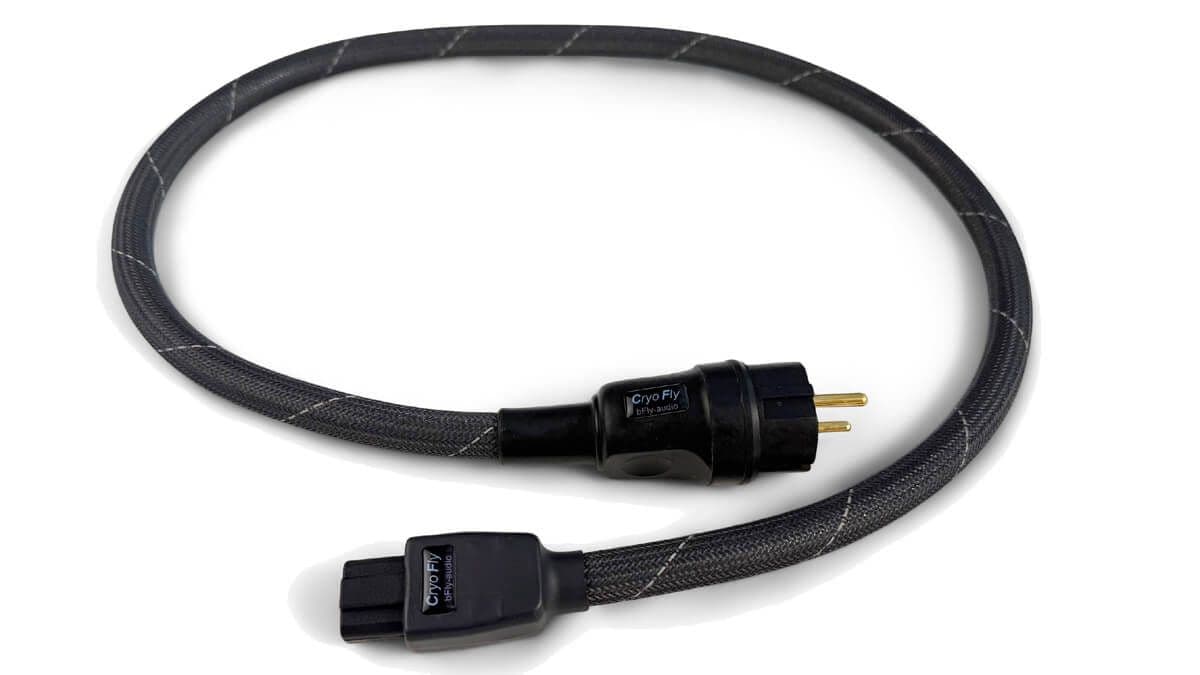
* The bPower CryoFly by bFly-Audio uses cryogenic treatment to enhance conductor electrical properties, aimed at improving sound clarity and dynamics.

* Diesel introduces a wired headphone model, blending bold design with functionality, showcasing the brand's signature style.

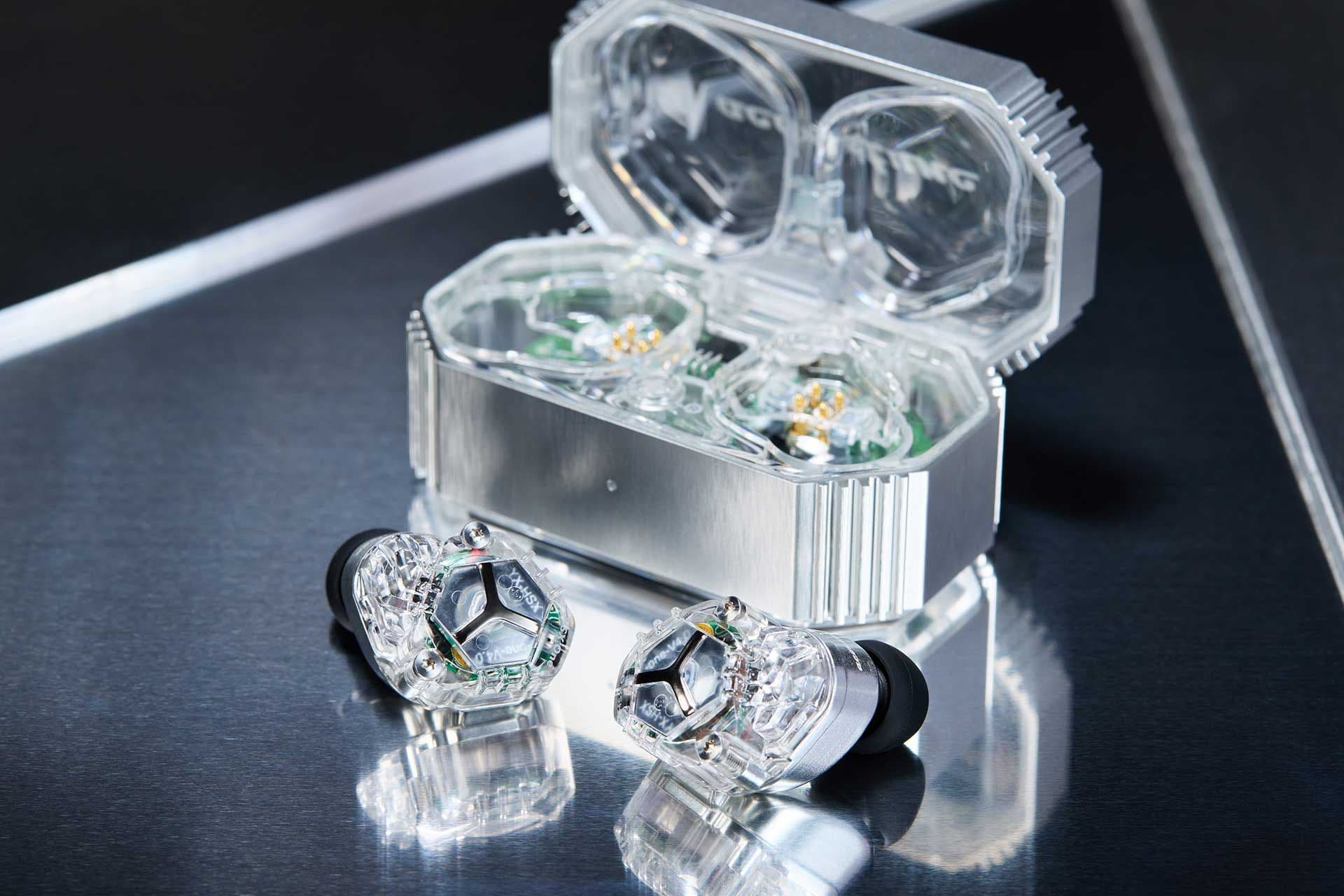
* Acoustune's 'HSX One' wireless earbuds feature active noise cancellation (ANC), a first for the brand, enhancing immersive listening experiences.

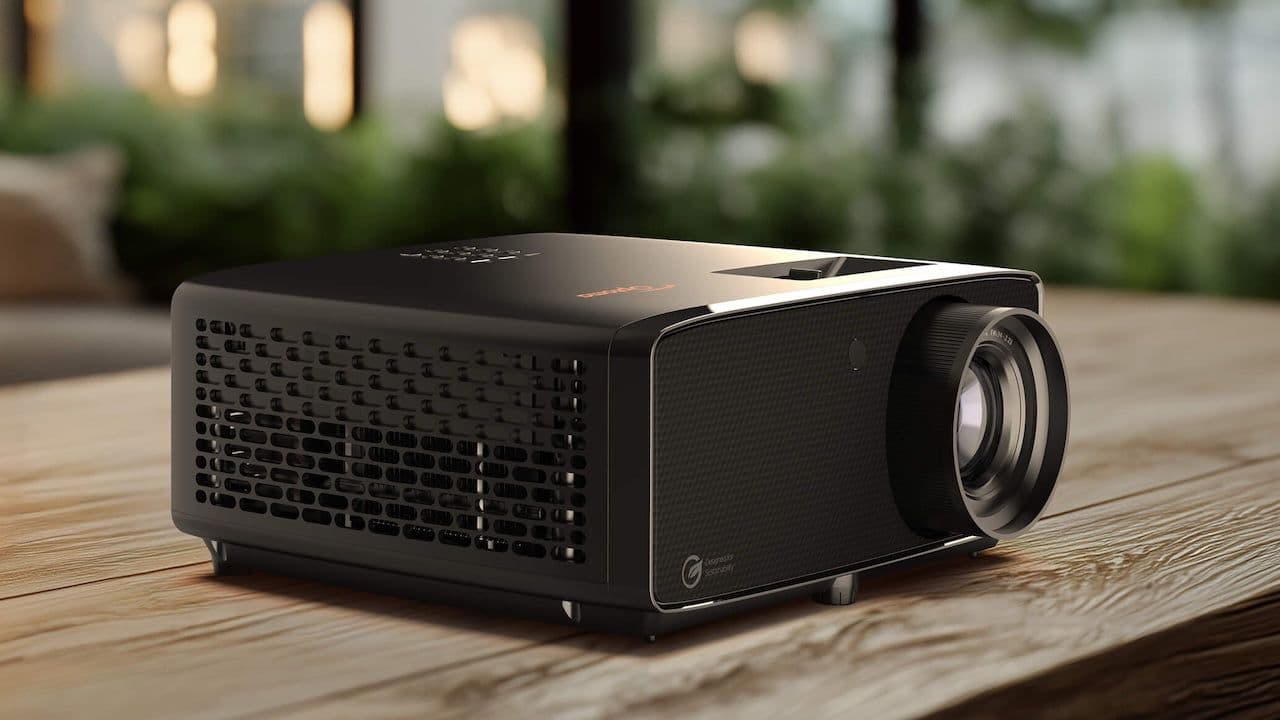
* The Optoma UHZ36 is a 4K UHD laser projector priced at $1,299, designed for versatile home entertainment and gaming use.