Get the weekly hi-fi digest — new gear, best reads, and deals.

GAD Records’ February releases spotlight Polish musical heritage, spanning lost pop, archival jazz, electronic experiments, film soundtracks, and rare radio and festival recordings.
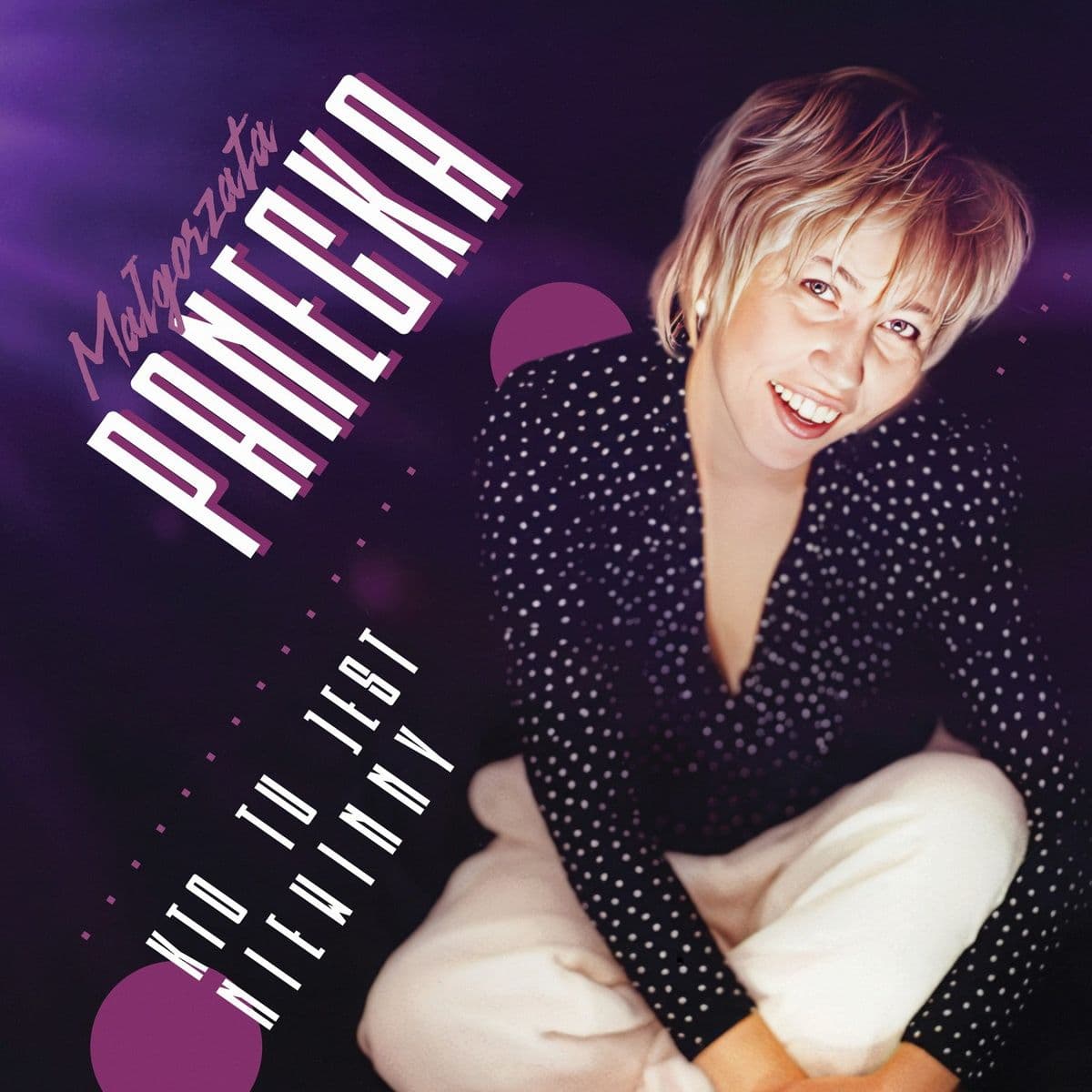
The centerpiece is *Kto tu jest niewinny*, an anthology of Małgorzata Panecka, featuring a long-lost pop recording plus twelve additional tracks documenting her artistic evolution.
A “sensational” archival discovery includes the Polish Jazz Quartet’s 1964 live concert from the Bled Festival, sourced from Slovenian radio archives.
February’s slate from GAD Records reads less like a themed campaign and more like a cross-section of how Polish archives actually sound when opened: uneven sources, wildly different recording chains, and material that demands careful editorial decisions. What stands out is the curatorial emphasis on rather than polish. The anthology work leans on chronological sequencing and contrast, letting shifts in microphone technique, room acoustics, and tape saturation tell as much of the story as the music itself. Compared with the often “normalized” approach of contemporary reissues, these releases appear to favor preservation of original dynamics and spectral balance, even when that exposes limitations of broadcast-era equipment or location recordings.
The jazz and radio-derived material highlights an ongoing tension between document and album. Live festival and studio-session tapes from the 1960s and 1970s were rarely intended for repeated listening on high-resolution systems; they were mixed for transmission, not for modern full-range playback. GAD’s approach, judging by the framing, prioritizes intelligibility and transient clarity over aggressive noise reduction, a choice likely to resonate with listeners accustomed to evaluating tape hiss versus harmonic detail. The same philosophy applies to the electronic and soundtrack archives, where early synthesizer timbres and analog effects benefit from minimal intervention—preserving phase relationships and low-frequency modulation that can be flattened by heavy-handed restoration.
On the vinyl side, the catalogue underscores a collector-oriented mindset rather than audiophile spectacle. Film scores and archival rock-jazz hybrids are presented as historically coherent programs, suggesting conservative cutting levels and an avoidance of excessive EQ boosts that could compromise tracking on older turntables. The second volume of the Opole chronicle, in particular, functions almost like a reference document: less about demo-room impact, more about faithful translation of source tapes into a durable physical format. In aggregate, these releases position GAD Records not as a nostalgia label, but as a specialist archive translator—bridging institutional recordings and modern listening rooms without rewriting either.
New gear, best reads, and deals — every Friday.

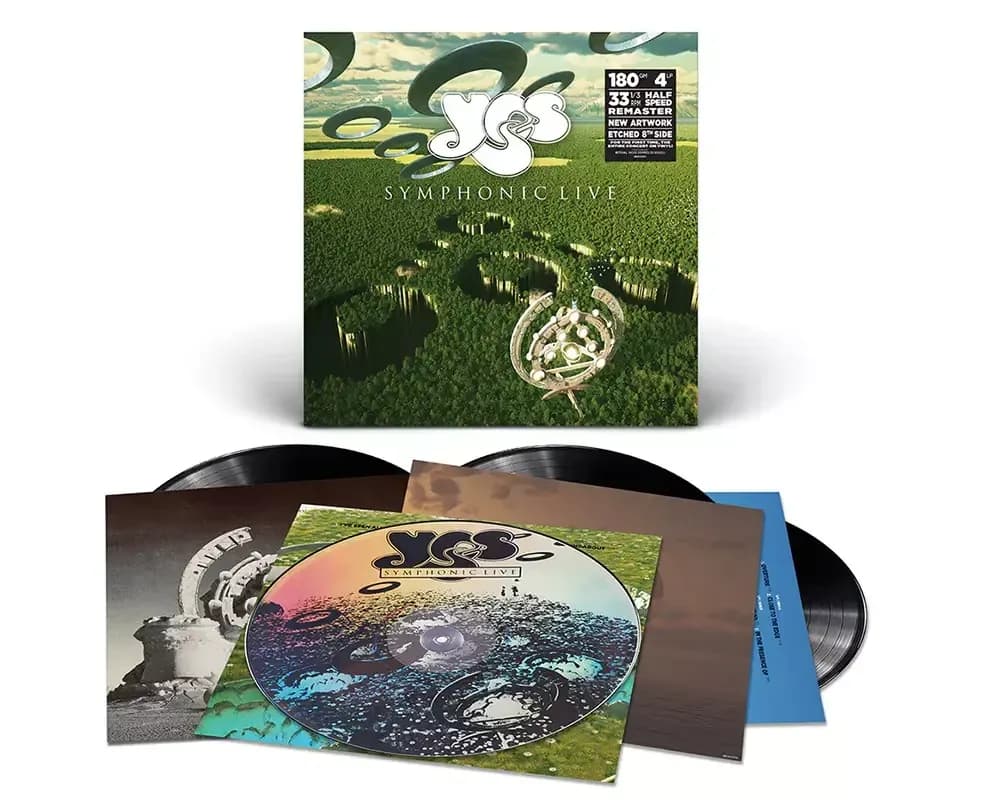
* Yes reissued their 2002 concert album *Symphonic Live* on four 180‑gram vinyl LPs via Mercury Studios/UMG, released January 23, 2026.

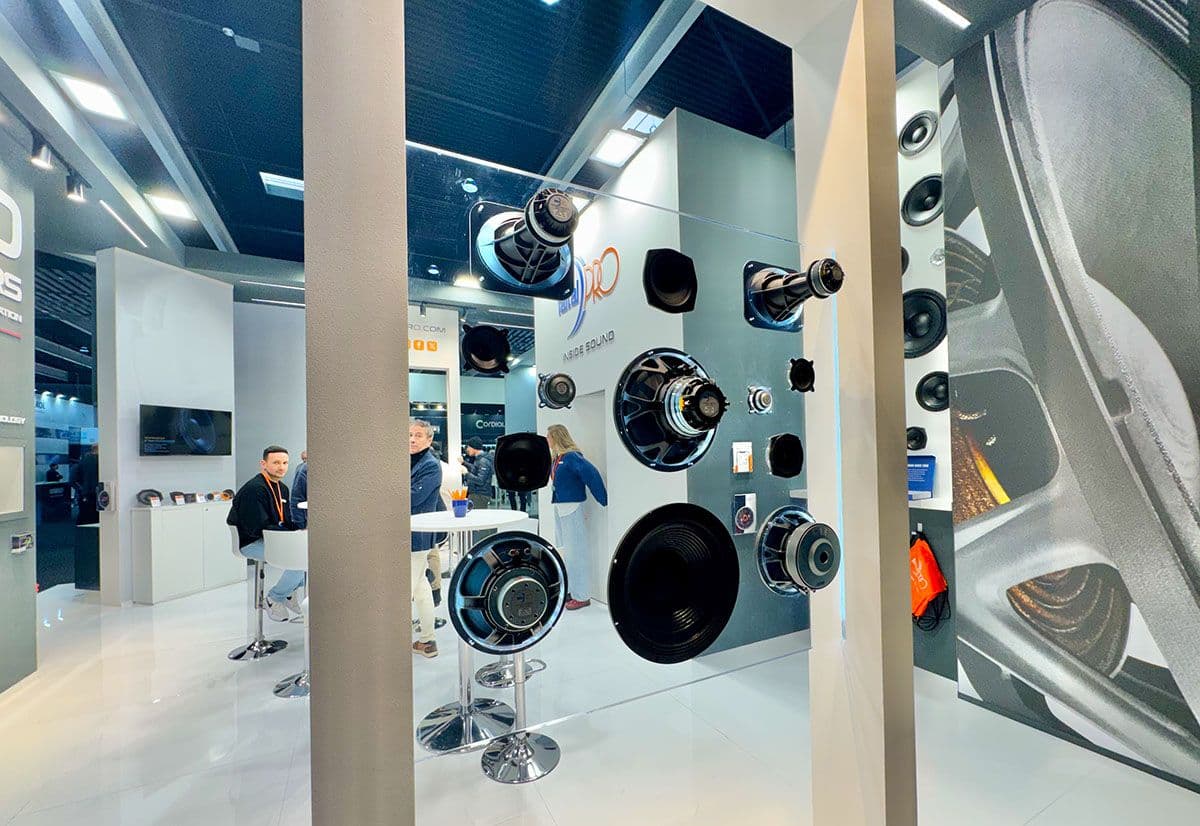
* At NAMM and ISE 2026, FaitalPro unveiled an expansive pro-audio lineup, spanning 21-inch subwoofers to compression drivers, highlighted by first Iron Nitride…

* Cinemo CORE enables native Spotify integration in Škoda Enyaq (software 4.0+) and all-new Elroq models, delivering in-car music, podcasts, and audiobooks wit…

T3 Audio
* Leaks suggest Samsung Galaxy Buds 4 Pro debut alongside upcoming Galaxy S26 Ultra at next week’s event, expanding launches beyond smartphones.