Get the weekly hi-fi digest — new gear, best reads, and deals.

Motorola unveiled Moto Buds 2 Plus and Moto Buds 2 at MWC 2026, expanding the Moto Things ecosystem with compact Pantone-colored true wireless earbuds.
Moto Buds 2 Plus feature Sound by Bose tuning, 11 mm dynamic drivers, Knowles balanced armatures, Hi-Res Audio via LHDC, and immersive spatial audio support.
Advanced ANC adapts dynamically, while six microphones with CrystalTalk AI deliver clearer calls; battery life reaches 9 hours, or 40 hours with charging case.
Motorola’s new earbuds look less like lifestyle accessories and more like a deliberate exercise in acoustic architecture. The Plus version’s hybrid layout—dynamic driver handling low-frequency excursion while a Knowles balanced armature takes over the upper mids and treble—suggests an attempt to control intermodulation and keep transients clean at higher SPLs. The Bose-tuned DSP layer reportedly leans toward a neutral-warm target rather than consumer V-shaping, which should appeal to listeners who value tonal coherence over exaggerated punch. LHDC support paired with spatial processing also hints that Motorola is betting on higher bitrate stability and phase accuracy rather than relying solely on psychoacoustic widening tricks common in this segment.
The regular Moto Buds 2 take a different, arguably more experimental route by pairing a conventional dynamic driver with a small planar magnetic unit. In theory, this can deliver faster diaphragm response in the upper range, improving perceived air and microdetail, though it places heavier demands on crossover tuning and amplification. The move to Bluetooth 6.0 is notable here: beyond bandwidth, the newer stack promises tighter synchronization and lower jitter, which matters when driving dissimilar transducer types in a true wireless format. Sources describe the ANC implementation as aggressive, positioning these earbuds closer to travel-oriented models than casual commuters, with transparency tuned for intelligibility rather than strict tonal neutrality.
Across both models, Motorola appears to prioritize system-level integration over isolated specs. Features like low-latency modes, adaptive noise control, and AI-assisted voice processing are framed as extensions of the phone–earbud chain rather than standalone gimmicks. From an audiophile forum perspective, the interesting question is less about headline features and more about execution: how well the DSP respects driver timbre, whether spatial algorithms preserve center imaging, and if the codec implementation avoids the brittle highs sometimes associated with high-compression wireless audio. On paper, at least, the Moto Buds 2 line reads as a technically literate entry that aims to bridge mainstream convenience with enthusiast sensibilities.
Newsletter
Get the week's top trending stories, best deals, and new product launches — straight to your inbox.

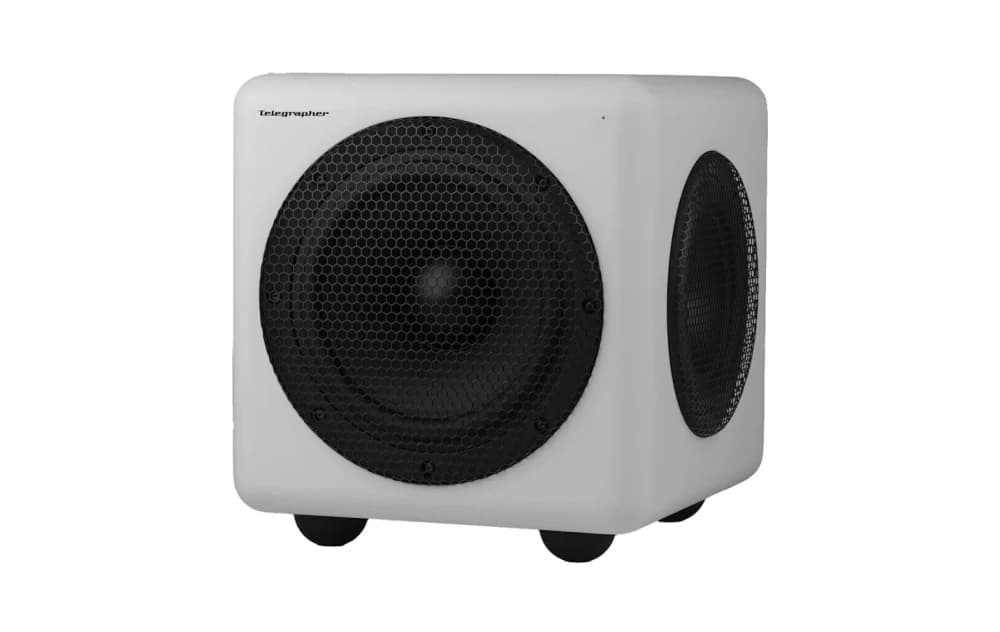
* Telegrapher introduces Hippo, an active analog studio subwoofer designed to complement near- and midfield monitors with precise, controlled sub-bass monitori…

lowbeats
* Former HiFi im Hinterhof staff launch HiFi.Shop as a fresh Berlin HiFi and home cinema retailer after the well-known store’s insolvency shocked customers and…

HiFi.De
* Amazon launches Audible Standard in Germany after 2024 international tests, offering a cheaper audiobook subscription with access to the full Audible catalog.

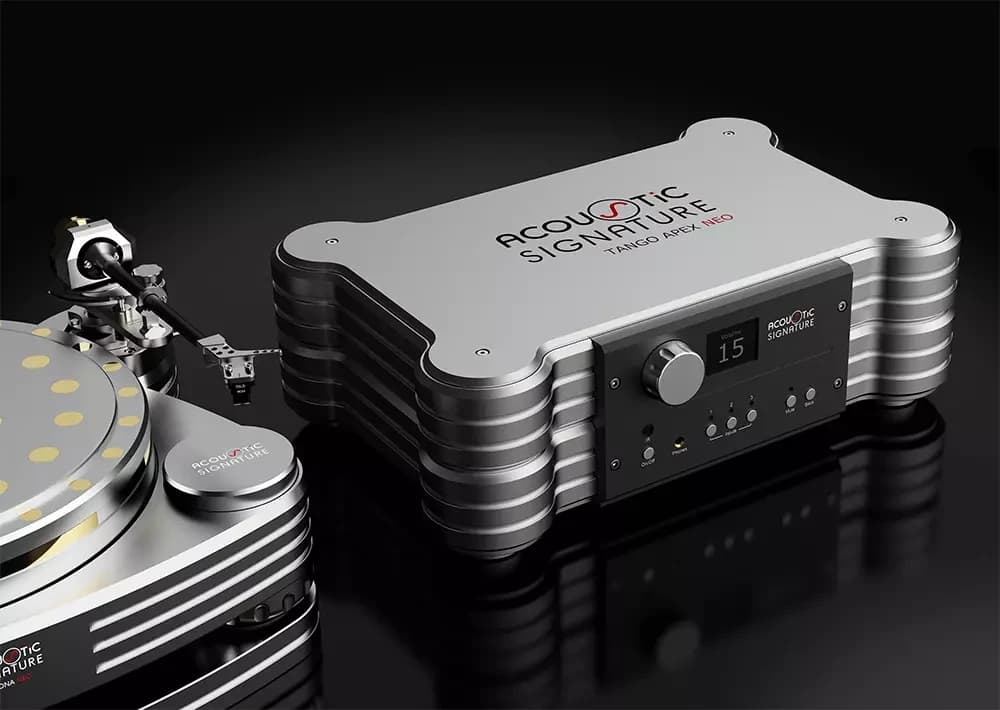
* Acoustic Signature introduced the Tango Apex NEO, a flagship High End phono preamplifier using a fully balanced dual-mono architecture with separate signal p…