Panasonic 2026 TV Lineup Announced with Skyworth Partnership, New OLED and QD Mini-LED Models Detailed
By HiFi Editorial3 March 2026
Key Highlights
Panasonic restructures its European TV business for 2026, partnering with Skyworth for marketing and distribution while retaining Japanese engineering leadership for OLED development.
No new OLED flagships launch in 2026; existing Z95B and Z90B remain top models, joined by midrange Z85C OLEDs in 55/65 inches.
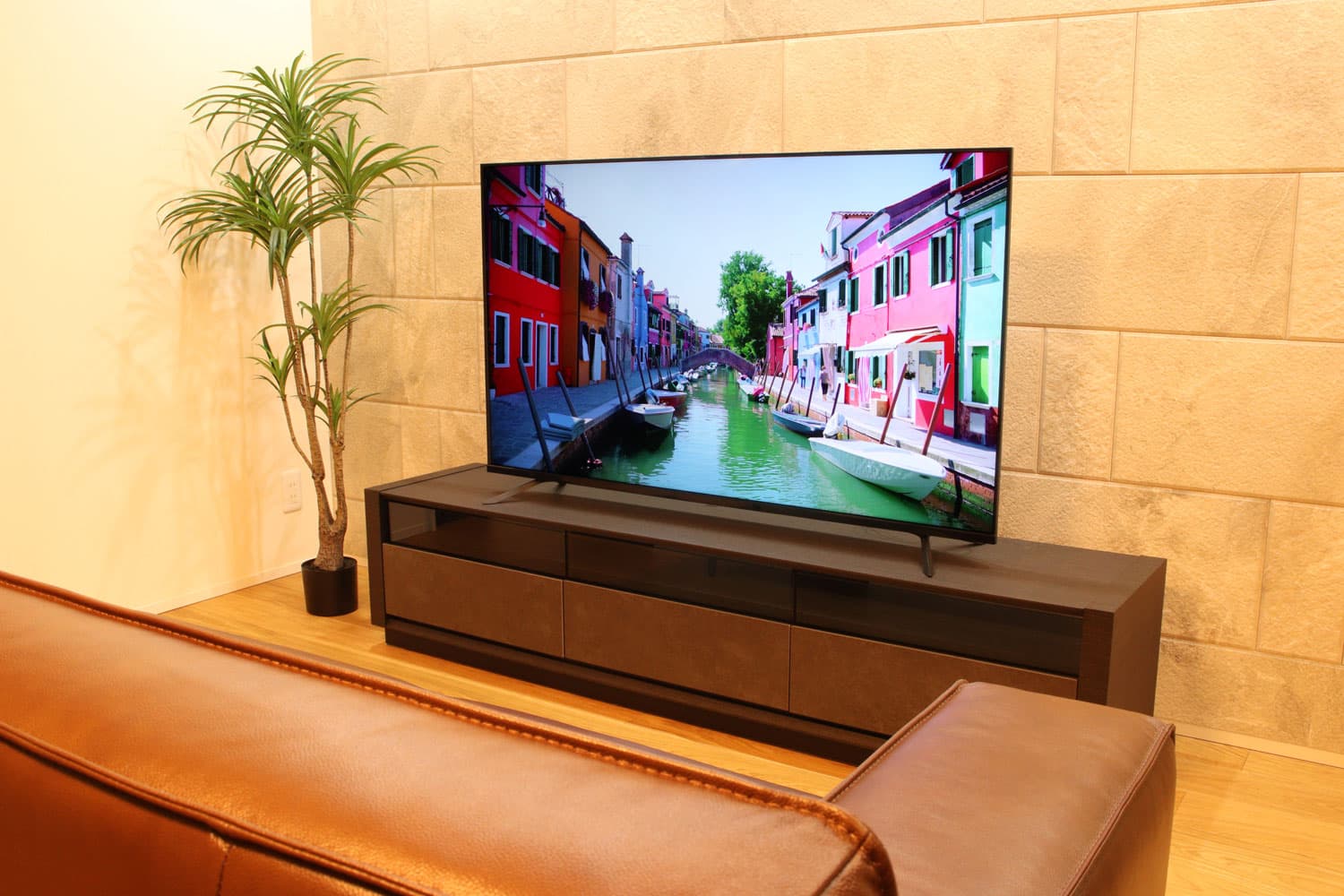
Z85C OLED TVs offer 4K resolution, 120 Hz panels, HDR10+, Dolby Vision, Dolby Atmos, Filmmaker Mode, and full HDMI 2.1 gaming features with Google TV.
Panasonic’s decision to hand European marketing and distribution to Skyworth reads less like a retreat and more like a pragmatic signal-chain split: logistics and volume on one side, picture philosophy and processing DNA on the other. One source frames the move as comparable to Sony’s TCL partnership, but the nuance lies in how Panasonic keeps control over panel tuning, tone-mapping curves, and motion handling—areas where its reputation among videophiles was built. The absence of fresh OLED flagships in 2026 reinforces that interpretation: development cycles appear to be stretched deliberately, suggesting resources are being reallocated toward refining backlight control, reflection management, and SoC-level optimization rather than chasing yearly spec inflation.
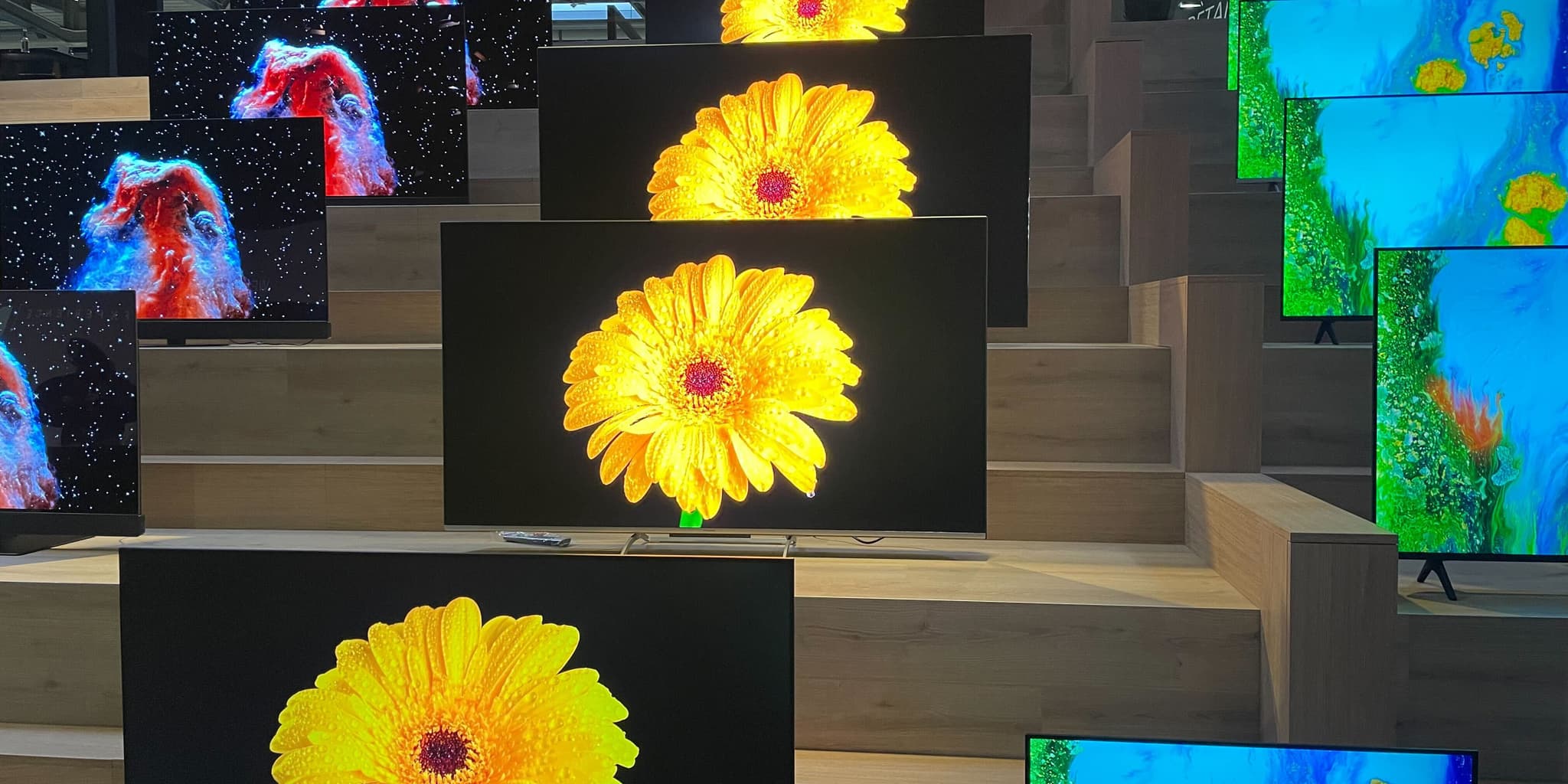
Looking at the LCD side, the QD Mini‑LED ranges expose a more aggressive technical posture than Panasonic’s conservative branding implies. The step to 144 Hz across much of the lineup hints at a faster internal video pipeline and cleaner frame interpolation headroom, not just gaming checkbox behavior. Multiple sources emphasize anti-reflection as a headline feature, but the more interesting angle is how this pairs with higher sustained brightness: glare reduction only matters when ANSI contrast is preserved, and Panasonic seems to be targeting that balance rather than raw nit numbers. Compared to rivals that lean heavily on algorithmic local dimming tricks, Panasonic’s approach appears closer to studio-monitor logic—prioritizing stable luminance transitions and color volume consistency over eye-catching demo modes.
At the platform level, the fragmented use of Google TV, Fire TV, and TiVo across tiers suggests Panasonic is decoupling hardware acoustics and video processing from UI identity. From an enthusiast standpoint, this is less about apps and more about latency paths, HDMI handshakes, and audio passthrough integrity. The higher-end sets retaining full-bandwidth eARC and robust HDMI implementations point to a clear hierarchy: displays intended to sit at the center of serious AV chains versus screens designed for casual viewing. Taken together, the 2026 lineup feels less like a traditional refresh and more like a structural reset—Panasonic quietly reshaping its TV ecosystem while betting that long-term picture fidelity still matters more than headline-grabbing novelties.
HiFi Weekly
Newsletter
Get the week's top trending stories, best deals, and new product launches — straight to your inbox.