Get the weekly hi-fi digest — new gear, best reads, and deals.

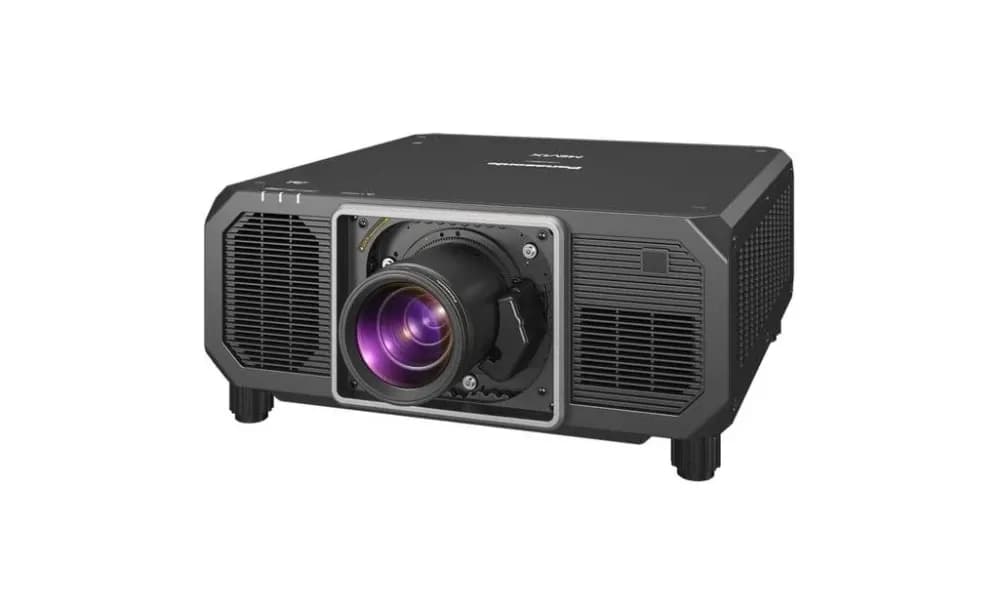
Panasonic unveiled its first professional 4K projector, PT‑HTQ20J, achieving 95% Rec. 2020 color gamut coverage—an exceptional benchmark not yet fully reached by consumer displays.
The projector uses a single DLP chip with an RGB laser light source, delivering up to 20,000 lumens for high‑brightness professional environments.
Vivid Prime technology combines three primary‑color lasers with a phosphor wheel, optimizing color purity, brightness efficiency, and overall image realism.
Panasonic’s approach here reads like a deliberate rejection of the “spec-chasing” arms race in favor of color volume integrity and signal discipline. The hybrid laser architecture suggests a conscious balance between spectral purity and long-term stability: pure RGB lasers alone can be brutally efficient but temperamental in real installations, while the phosphor stage acts as a tonal moderator, smoothing spectral spikes and keeping metamerism under control. For video professionals, this matters more than raw gamut claims—what counts is how saturated tones behave at elevated luminance, and whether complex hues hold together once HDR grading ramps up. In that sense, the PT‑HTQ20J positions itself closer to a reference imaging tool than a brute-force light cannon.
The use of a single‑chip DLP platform will inevitably raise eyebrows among cinephiles accustomed to three‑chip architectures, yet Panasonic appears to be leaning on signal processing rather than hardware multiplication. Pixel-shifted 4K, when executed with tight timing and optical alignment, can yield a spatial coherence that plays well with high-quality lenses, especially at typical professional viewing distances. More interesting is the attention paid to gradation control—banding and color breakup are long‑standing DLP talking points, and the emphasis on smoothing algorithms hints at a system designed for real-world content with aggressive compression, CGI gradients, and broadcast overlays, not just pristine demo reels.
From an installation standpoint, the decision to ship without optics underscores the projector’s role in modular, large‑venue ecosystems rather than fixed home environments. Compatibility with Panasonic’s established professional lens families suggests predictable throw ratios, consistent MTF behavior, and known distortion profiles—exactly the kind of boring reliability integrators quietly value. In audiophile terms, this feels less like a flashy new DAC and more like a well-engineered studio monitor: not chasing romance, but prioritizing linearity, control, and repeatability across wildly different rooms and signal chains.
New gear, best reads, and deals — every Friday.

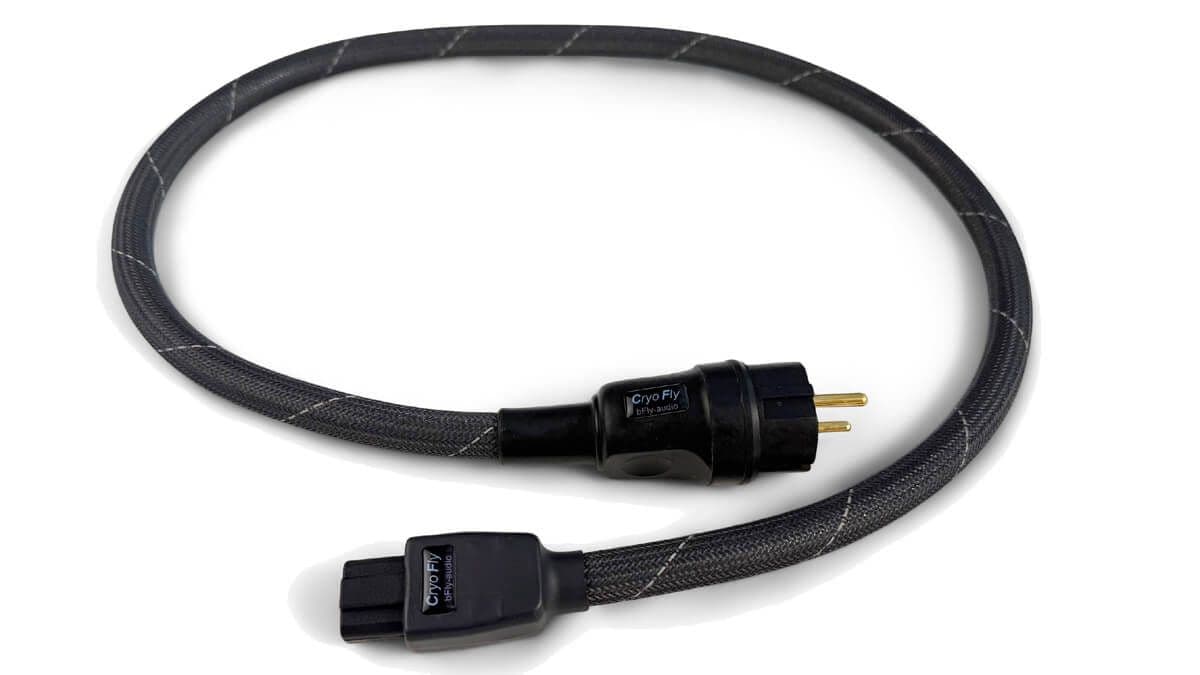
* The bPower CryoFly by bFly-Audio uses cryogenic treatment to enhance conductor electrical properties, aimed at improving sound clarity and dynamics.

* Diesel introduces a wired headphone model, blending bold design with functionality, showcasing the brand's signature style.

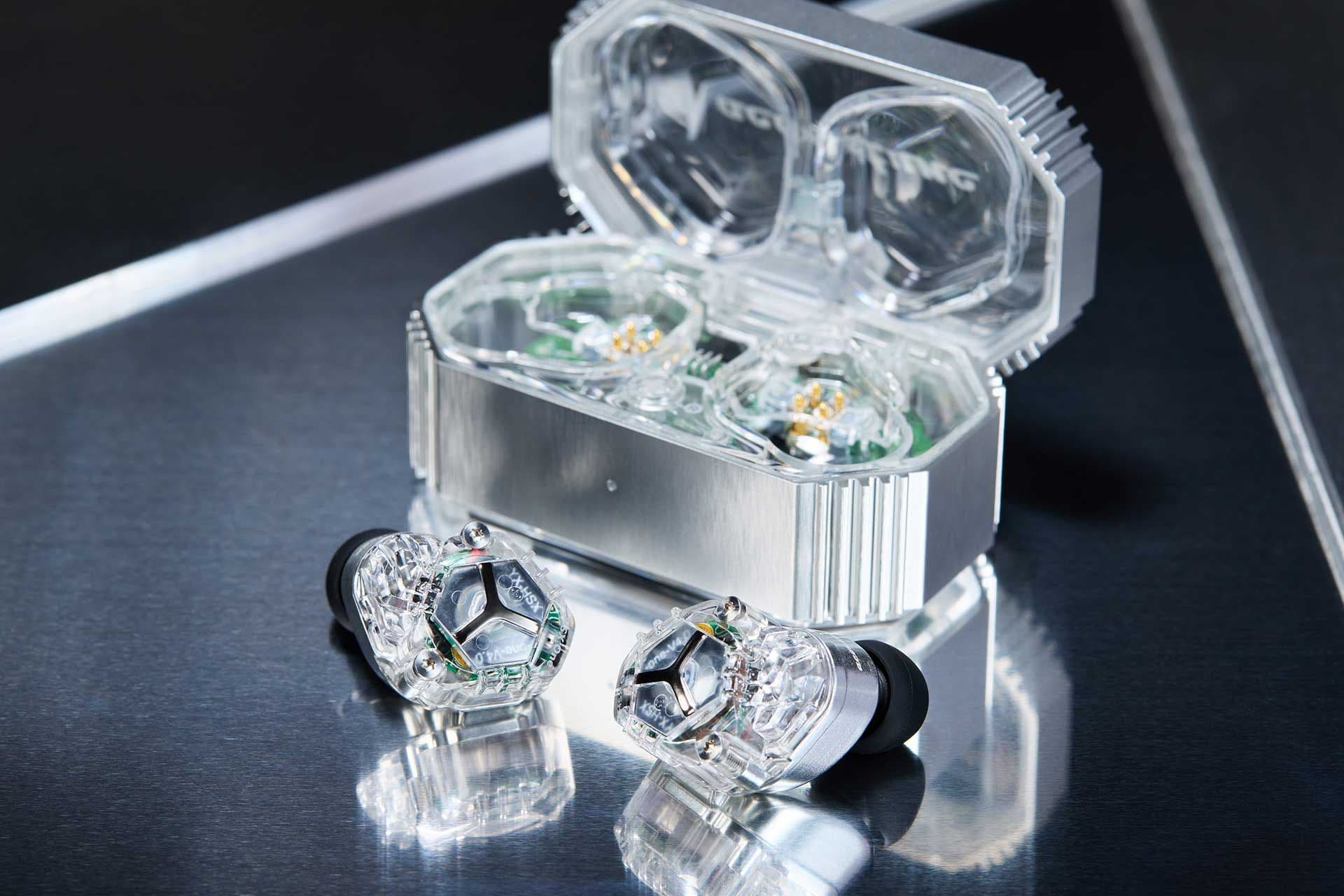
* Acoustune's 'HSX One' wireless earbuds feature active noise cancellation (ANC), a first for the brand, enhancing immersive listening experiences.

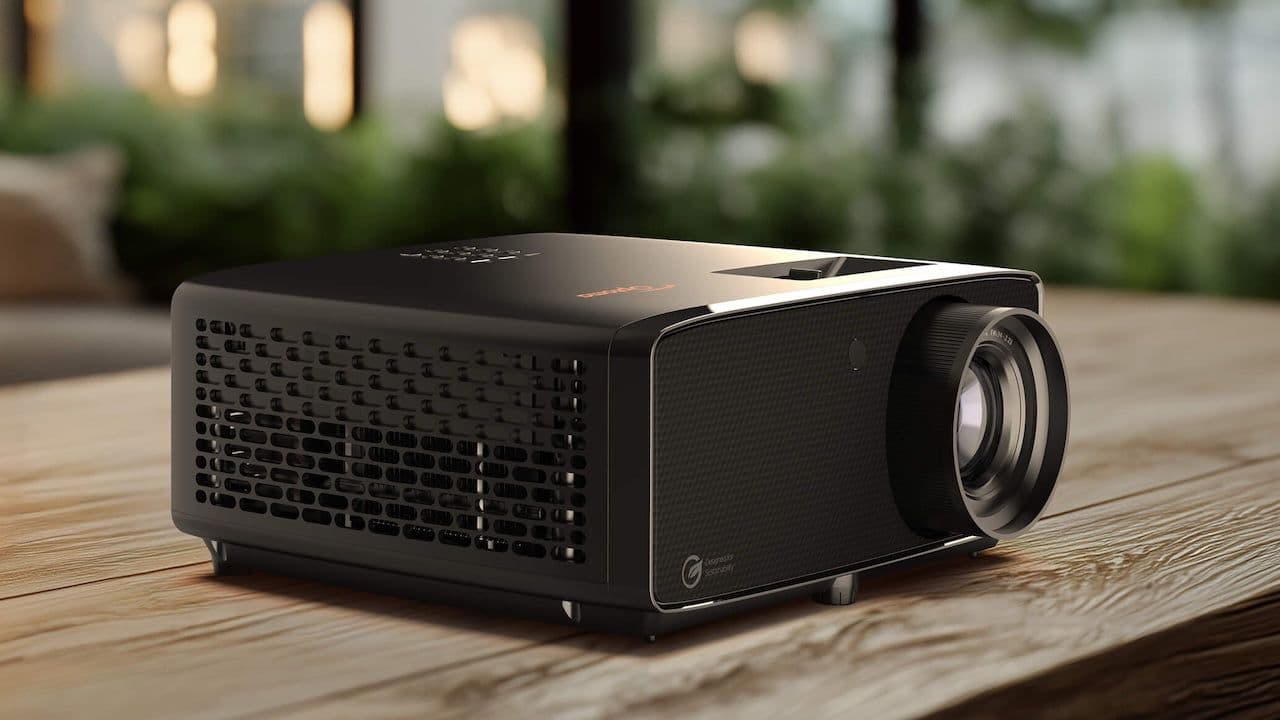
* The Optoma UHZ36 is a 4K UHD laser projector priced at $1,299, designed for versatile home entertainment and gaming use.