Get the weekly hi-fi digest — new gear, best reads, and deals.

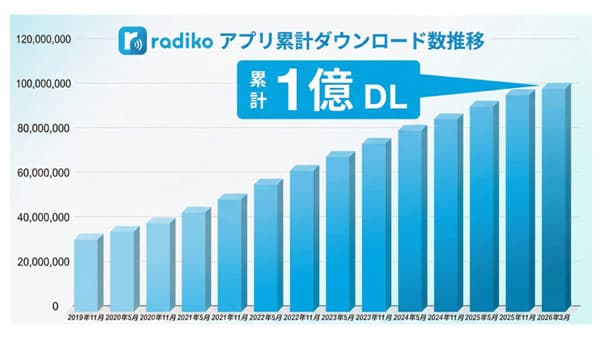
radiko, a free radio streaming app for smartphones and PCs, reached 100 million cumulative downloads in March, marking its 15th anniversary since 2010 launch.
Official iPhone and Android apps debuted in May and July 2010, developed by the IP Simul Radio Council, predecessor of current operator radiko Inc.
Monetized features expanded with Area-Free listening (¥385/month, 2014), Time-Free replay (2016), and extended Time-Free 30 (¥480/month, October 2024).
What stands out beneath the headline milestone is how radiko’s technical posture has quietly matured into a robust broadcast-over-IP platform rather than a simple tuner replacement. The service has long leaned on adaptive streaming optimized for spoken-word intelligibility and stable mobile reception, favoring consistent low-latency delivery over audiophile-grade bitrates. That choice mirrors the priorities of terrestrial FM—timing, continuity, and regional relevance—while exploiting IP advantages like seamless handoff between networks and devices. The result is a listening experience that behaves more like a virtual broadcast chain than an on-demand music app, a distinction that explains its stickiness among heavy radio users.

From an engineering perspective, the iterative UI/UX updates tell a story of convergence. The hybrid approach seen in the Android FM-integrated app reflects a pragmatic acknowledgment that RF and IP can coexist, using hardware tuners where available and falling back to streams when signal integrity drops. Recent dashboard integrations via CarPlay and Android Auto further reinforce radiko’s emphasis on deterministic playback and minimal driver interaction, prioritizing large metadata fields, quick station recall, and predictable buffering behavior. Compared with podcast-first platforms, radiko’s in-car experience feels closer to a digital head unit than a content marketplace—an approach likely informed by broadcasters rather than Silicon Valley playbooks.
The newer data-driven features, such as regional song rankings and podcast highlight cards, hint at a backend increasingly shaped by large-scale listening analytics. Unlike global streaming services that optimize for algorithmic discovery, radiko’s implementation remains tethered to broadcast logs and airplay metadata, preserving a sense of locality even as distribution scales nationally and beyond. For audio purists, this may never replace lossless streaming services, but as a case study in how legacy radio infrastructure can be refactored into software without losing its sonic identity, radiko’s evolution is more technically interesting than its download count suggests.
Newsletter
Get the week's top trending stories, best deals, and new product launches — straight to your inbox.

* Craft Recordings expands its acclaimed Original Jazz Classics vinyl series with three rare titles from Lee Morgan, Bobby Timmons, and The Young Lions.

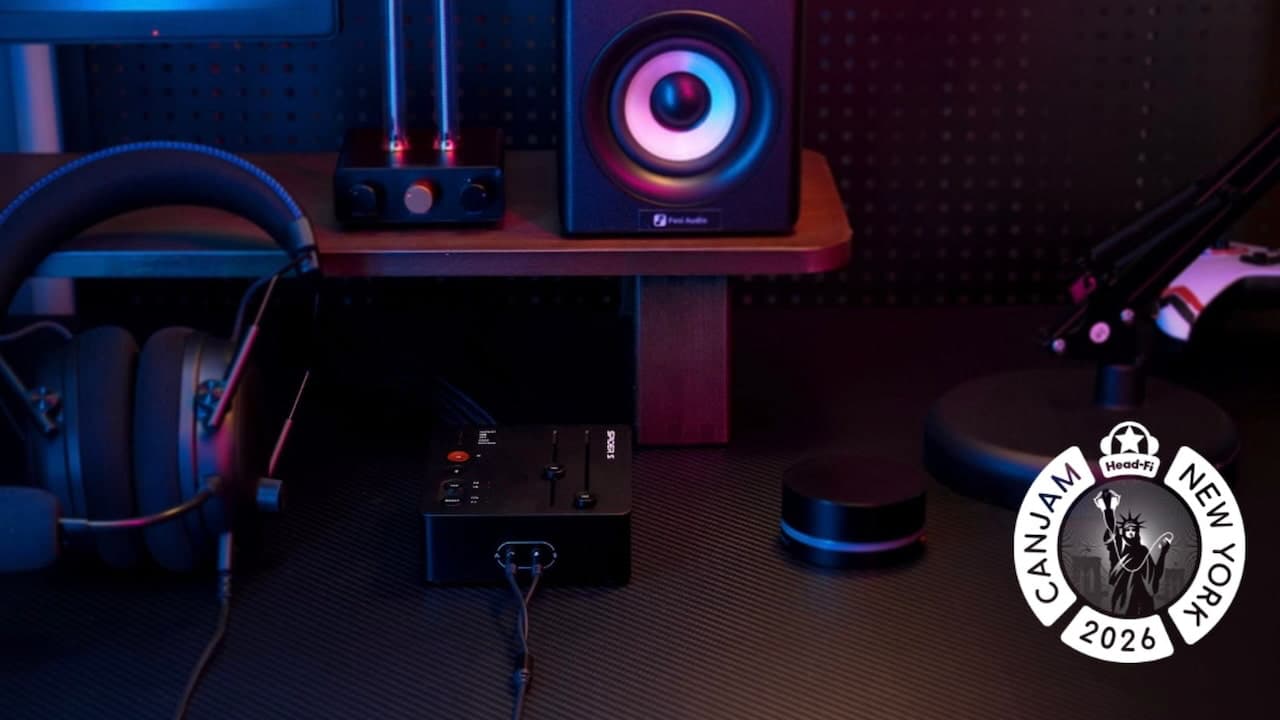
* Fosi Audio debuted the C3 AI Gaming Sound Card at CanJam NYC 2026, marking its first AI-trained processor targeting competitive FPS gamers seeking precise po…

* Sennheiser will relocate its Americas regional headquarters from Old Lyme, Connecticut, to the Rock Nashville campus, located about 10 minutes from downtown…

T3 Audio
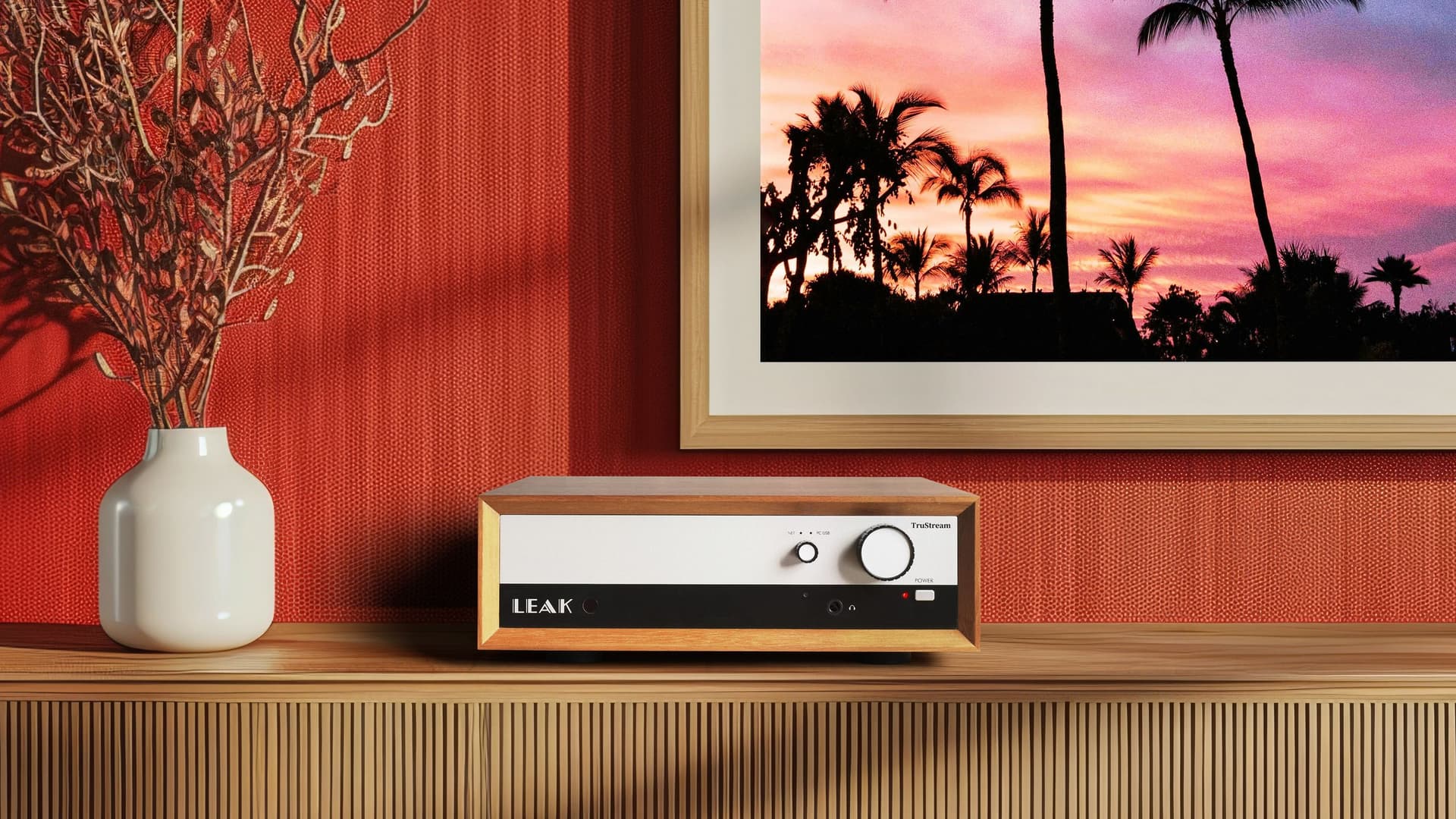
* Leak TruStream combines modern network audio streaming and a high-quality DAC inside a retro-inspired walnut veneer chassis reminiscent of classic 1970s hi-f…