Get the weekly hi-fi digest — new gear, best reads, and deals.

Sony WF-1000XM6 earbuds achieve a claimed 25% better active noise cancellation using the new HD Noise Canceling Processor QN3e and four microphones per earbud.
Dual-processor architecture combines QN3e with Integrated Processor V2, enabling adaptive real-time ANC optimization, 32-bit signal processing, and improved mid-to-high frequency noise reduction.
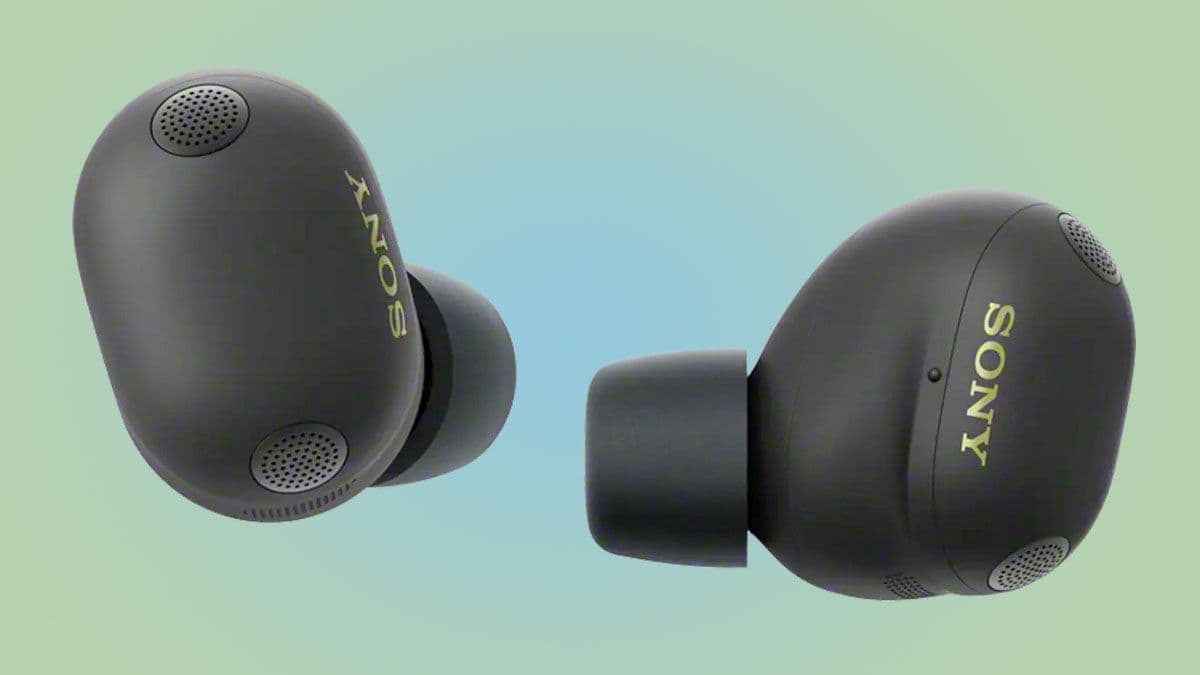
Redesigned earbuds are approximately 11% slimmer with a rounder shape, larger internal ventilation, and new Noise Isolation Earbud Tips in four sizes for improved comfort and seal.
Sony’s latest 1000X in-ear update feels less like a spec-chasing refresh and more like a consolidation of the company’s signal‑processing philosophy across its headphone and earbud lines. What stands out is how the new dual‑chip architecture mirrors the strategy already deployed in the WH‑series: one processor dedicated to heavy DSP lifting, the other acting as a system-level controller that constantly re-evaluates fit, seal, and environment. Sources differ on whether this cadence is conservative or deliberate, but the result is a more coherent platform where ANC, DAC behavior, and voice processing are no longer siloed. The move to a full 32‑bit internal processing chain, paired with a revised amplifier stage, suggests Sony is prioritizing headroom and lower quantization noise rather than headline codec changes, a decision likely to resonate more with critical listeners than casual users.

The physical redesign also carries technical consequences beyond comfort. A rounder shell and revised internal airflow point to a clear attempt at mitigating occlusion and pressure artifacts that often plague high-isolation TWS designs. One source highlights the reworked antenna system—now significantly larger and repositioned—as a quiet but meaningful upgrade, improving RF stability in dense environments where true wireless links typically falter. This is an area competitors rarely discuss openly, yet it directly affects perceived sound quality when packet loss or buffering intrudes. Interestingly, while Bluetooth LE Audio readiness is acknowledged, Sony remains noncommittal about fully enabling next-generation broadcast features, underscoring an industry-wide hesitation that contrasts sharply with the hardware’s apparent preparedness.
From an audiophile perspective, the new hybrid driver construction is arguably the most consequential change. By decoupling bass compliance from high-frequency rigidity within the diaphragm itself, Sony is addressing distortion at the mechanical level rather than leaning solely on DSP correction. Combined with familiar tools like LDAC and Sony’s upscaling and spatial frameworks, the tuning approach feels evolutionary but disciplined. Some commentators frame the WF‑1000XM6 as an update that arrived “right on schedule,” others as one that waited until enough subsystems matured. Either way, the earbuds reflect a brand refining its core technologies instead of chasing every emerging standard, betting that stability, low distortion, and intelligent processing still matter more than novelty in the premium TWS space.
New gear, best reads, and deals — every Friday.

* The M3 Plus ASANO TANCH Edition DAP, a collaboration between SHANLING and TANCHJIM, launches globally on February 20, limited to 2,000 units.

* Steven Wilson announced the release of his new concert album, 'Impossible Tightrope,' recorded live in Madrid.

* Knowles has introduced a new family of multi-way balanced armature drivers, designed to enhance premium TWS earbuds and in-ear monitors.

* Samsung Display introduces the Penta-Tandem technology for its QD-OLED panels, enhancing performance and durability significantly.