Get the weekly hi-fi digest — new gear, best reads, and deals.

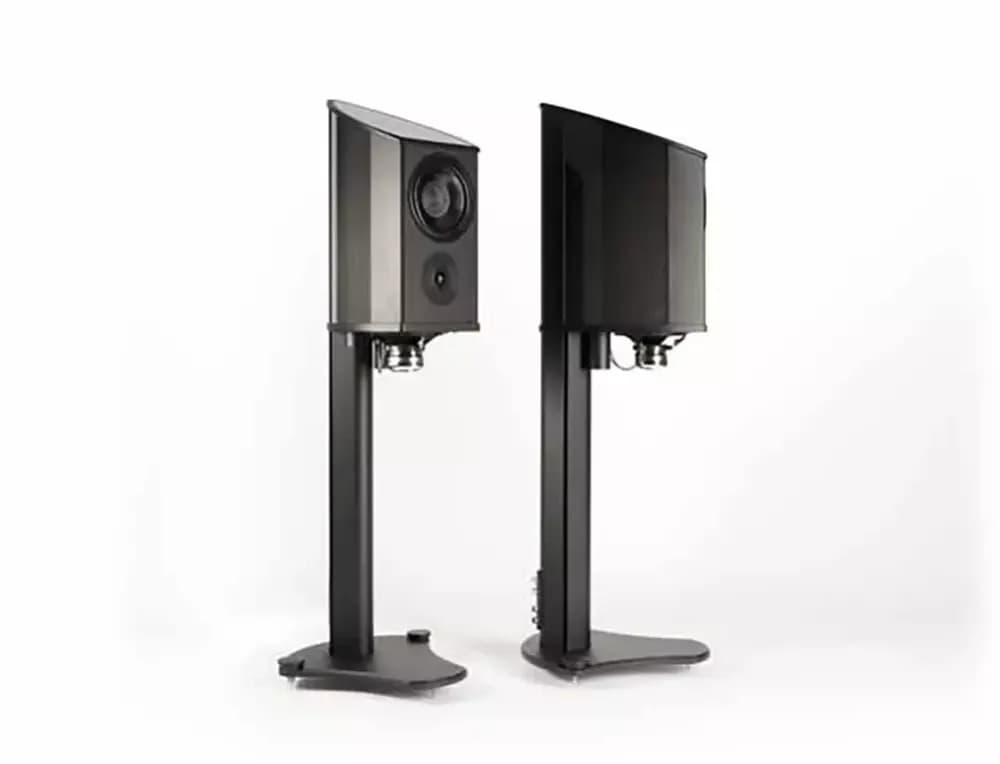
Wilson Benesch will showcase two Fibonacci series loudspeakers at Bristol HiFi Show 2026, using a single reference stereo system to ensure controlled, direct comparisons.
The demonstration setup keeps identical Trilogy amplification and Computer Audio Design (CAD) digital sources and grounding, isolating audible differences solely between loudspeaker models.
The compact Discovery 3zero standmount opens the Fibonacci range, applying the same core engineering principles and proprietary technologies as larger models despite its smaller footprint.
What stands out in the way Wilson Benesch frames the Fibonacci series presentation is not spectacle but methodological rigor. One strand of reporting emphasizes the educational angle: the brand treats the show room almost like a controlled laboratory, inviting listeners to interrogate how enclosure volume, driver loading and acoustic scale alter presentation when all upstream variables are locked down. Another perspective leans more toward engineering continuity, stressing that the Fibonacci range is conceived as a single platform stretched and compressed, rather than a ladder of unrelated designs. This tension between didactic demonstration and unified product architecture hints at a company more interested in exposing design cause-and-effect than in dazzling with variety.
From a technical standpoint, the Fibonacci concept underscores Wilson Benesch’s long-standing preference for vertically integrated development. Designing cabinets, drive units and high-frequency transducers in-house is less about branding than about impedance control, mechanical grounding and predictable resonance behavior across models. When the same engineering DNA is scaled, differences heard between compact and larger enclosures are less likely to stem from crossover voicing shifts and more from fundamental acoustic parameters: air displacement, cabinet compliance and bass system efficiency. For experienced listeners, this creates a rare opportunity to isolate how physical scale alone influences timing, tonal density and low-frequency authority.
There is also an implicit commentary here on modern high-end loudspeaker design. Rather than tailoring each model to a different sonic “flavor,” Wilson Benesch appears to argue for consistency of voicing, trusting listeners to decide how much physical presence and dynamic headroom their rooms can accommodate. In forum terms, it is a purist approach—fewer variables, fewer excuses—where the conversation moves away from marketing descriptors and back toward fundamentals like coherence, transient integrity and the relationship between cabinet architecture and driver behavior.
New gear, best reads, and deals — every Friday.

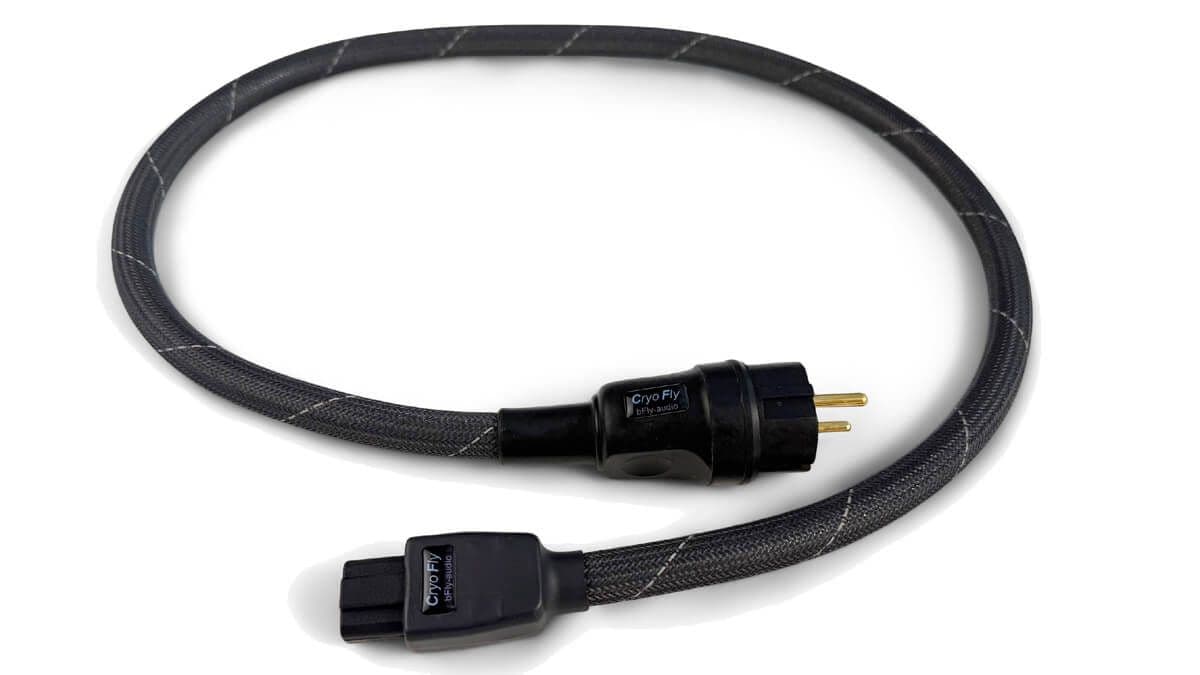
* The bPower CryoFly by bFly-Audio uses cryogenic treatment to enhance conductor electrical properties, aimed at improving sound clarity and dynamics.

* Diesel introduces a wired headphone model, blending bold design with functionality, showcasing the brand's signature style.

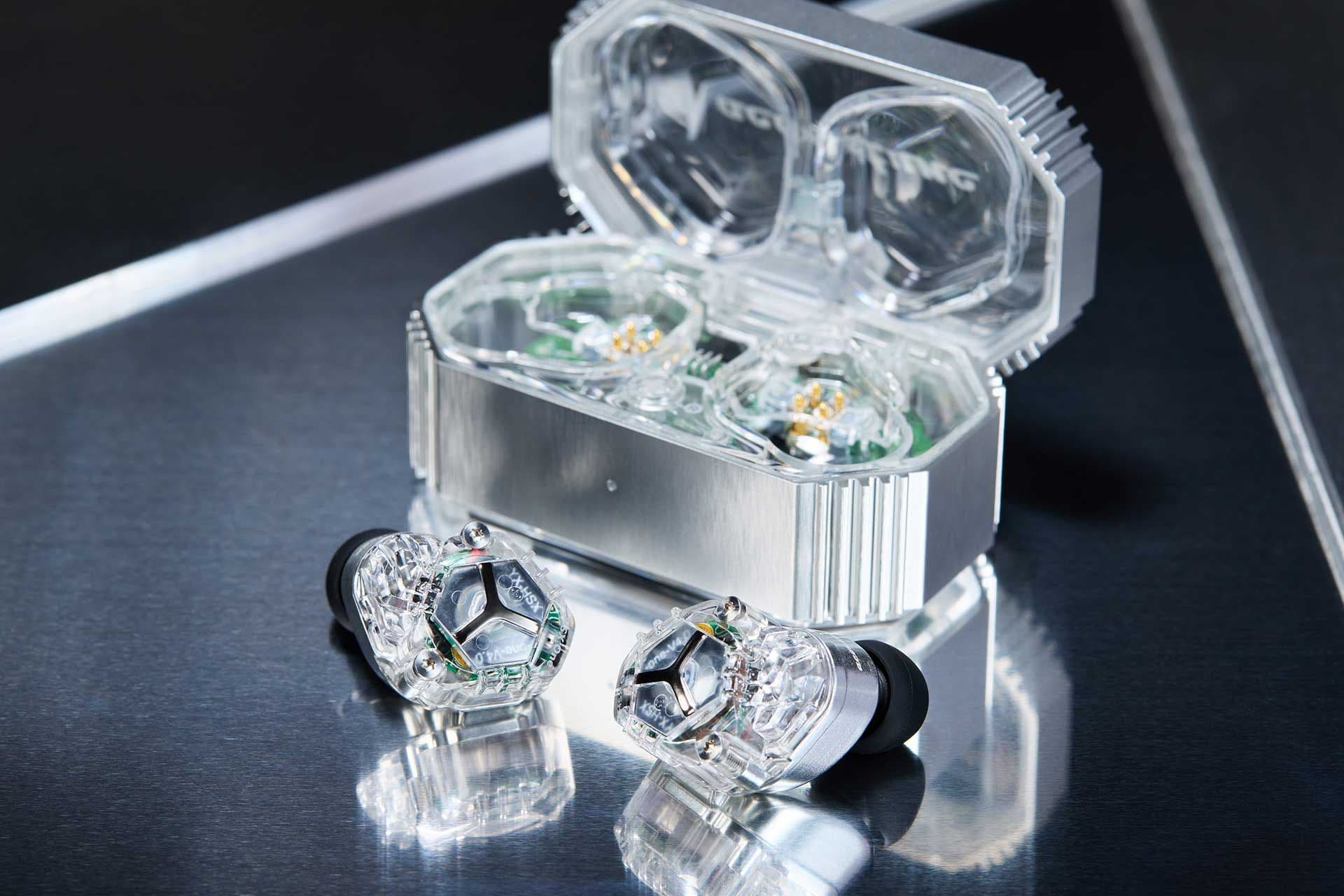
* Acoustune's 'HSX One' wireless earbuds feature active noise cancellation (ANC), a first for the brand, enhancing immersive listening experiences.

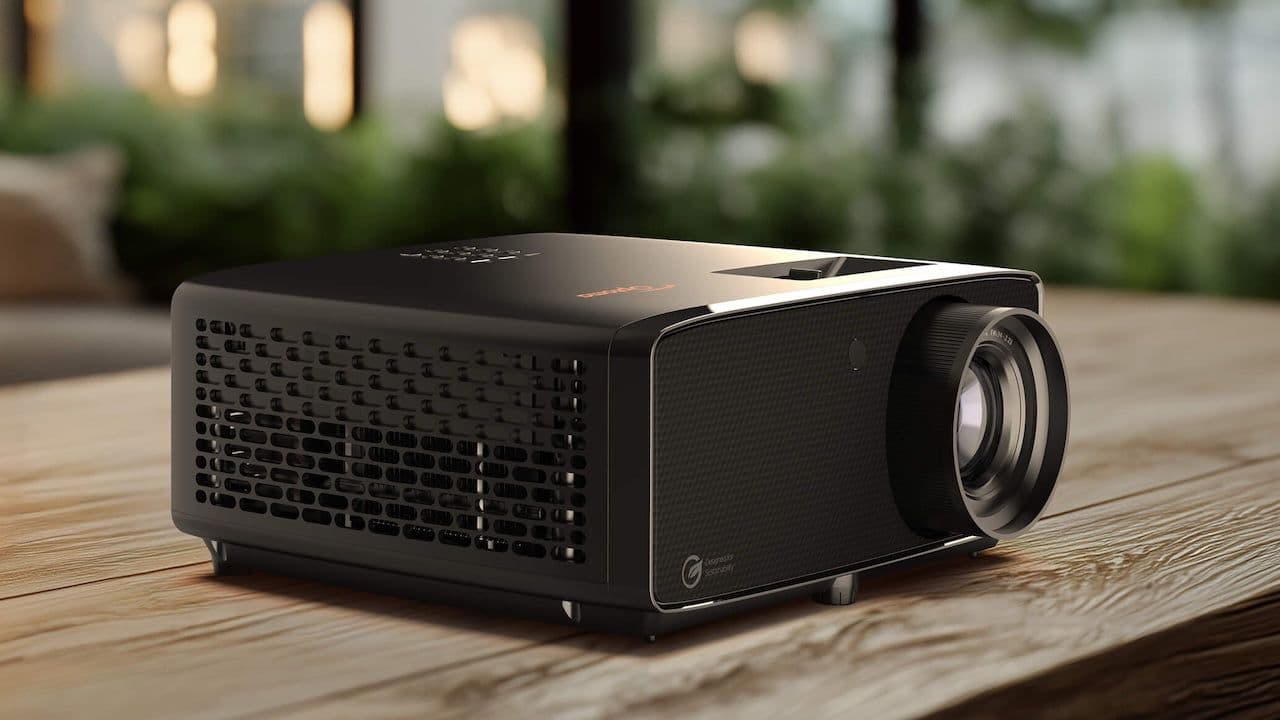
* The Optoma UHZ36 is a 4K UHD laser projector priced at $1,299, designed for versatile home entertainment and gaming use.