Get the weekly hi-fi digest — new gear, best reads, and deals.

Windows 11 preview build introduces per-device audio volume control, allowing independent adjustment for multiple connected devices, including two headphone pairs simultaneously.
The feature is accessed via Control Center under “Shared Audio (Preview),” while the traditional system tray volume slider still adjusts all devices globally.
A new taskbar indicator—shown as a speaker with two people—provides one-click access to shared audio settings without opening the full Control Center.
From a technical standpoint, the new audio routing logic suggests Microsoft is finally exposing finer-grain control over the Windows audio engine rather than bolting on another UI layer. Instead of a single master attenuation applied post‑mix, the system now appears to handle gain staging at the endpoint level, closer to the device session itself. For Bluetooth headphones, this is particularly relevant: independent volume control implies parallel audio streams with separate digital gain values before transmission, not just duplicated PCM data scaled uniformly. For listeners juggling two wireless endpoints, this avoids the classic compromise where one listener’s comfortable SPL pushes the other into distortion or dynamic compression.
Another interesting angle is how this aligns with modern Bluetooth audio stacks. Devices that already support multi-stream or broadcast-style audio over LE Audio benefit most, as Windows can negotiate separate logical sinks without resampling everything into a single shared pipeline. That reduces unnecessary SRC steps and preserves headroom, something forum regulars often complain about when Windows clamps volume too aggressively. It also hints that Microsoft is leaning more heavily on hardware-side DSP, letting supported headphones manage final amplification rather than relying on coarse software attenuation that can degrade signal-to-noise ratio at low listening levels.
There is, however, a philosophical split in how this change is being perceived. Some see it as a long-overdue quality-of-life fix finally bringing Windows closer to pro audio routing tools, while others note that it still stops short of true per-app, per-device gain staging with full visibility into bit depth and sample rate. For audiophiles, the real value will depend on whether future iterations expose more of the signal path—such as confirming when streams remain bit‑perfect versus when they are touched by the system mixer. As it stands, the groundwork is promising, but the real sonic dividends will come if Microsoft continues opening the hood rather than just polishing the dashboard.
Newsletter
Get the week's top trending stories, best deals, and new product launches — straight to your inbox.

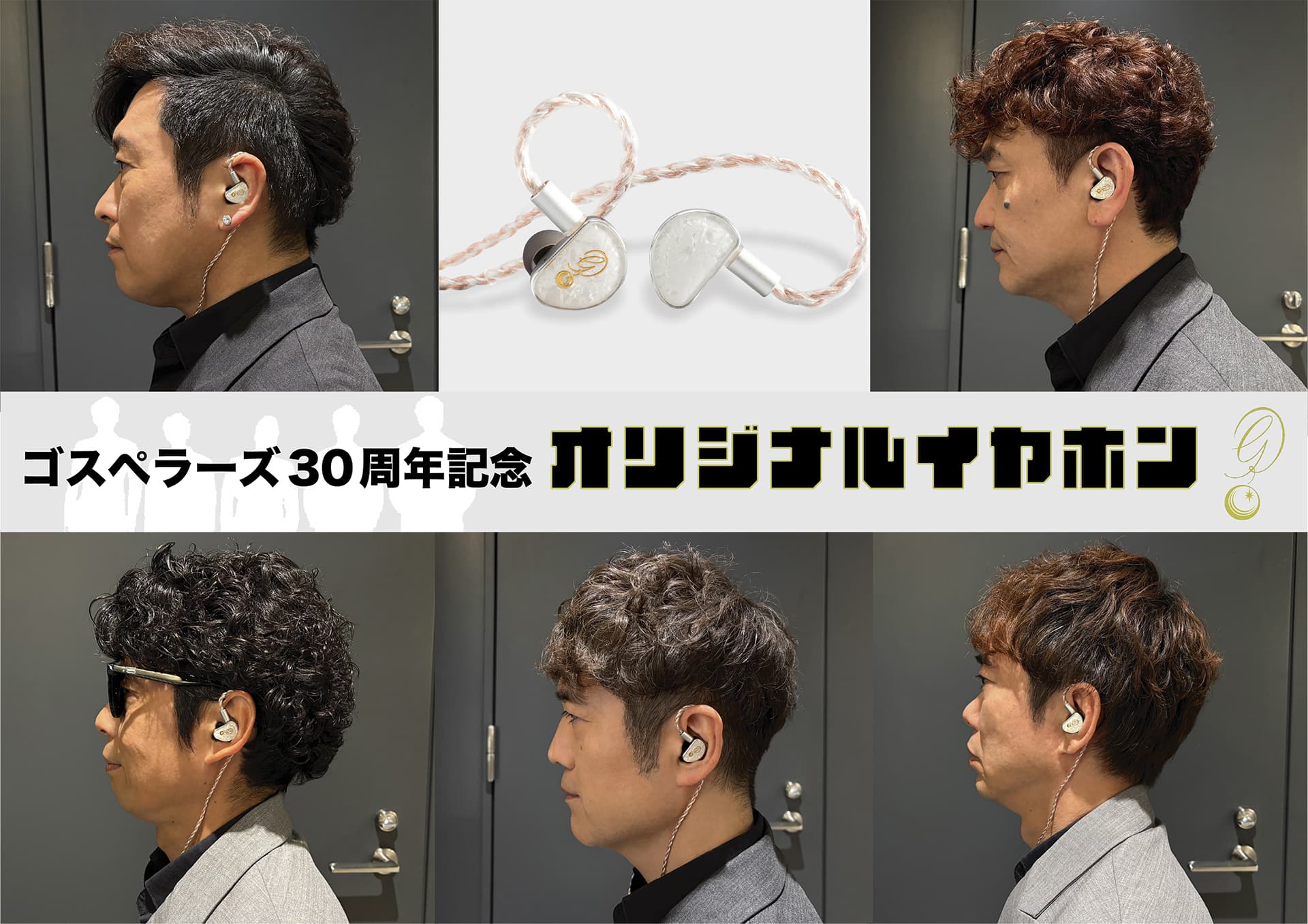
* Hi-Unit launched limited-time made-to-order “Gospellers 30th Anniversary Original Earphones,” priced at ¥30,000, accepting orders until March 27, shipping fr…

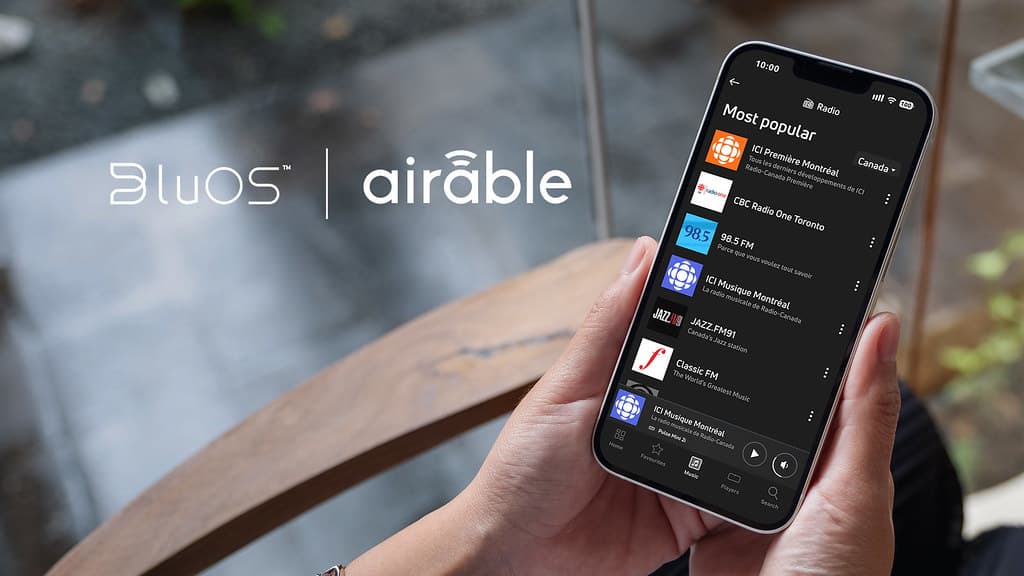
* BluOS audio platform, used by BLUESOUND and compatible devices, adds direct internet radio and podcast playback through a new partnership with German provide…

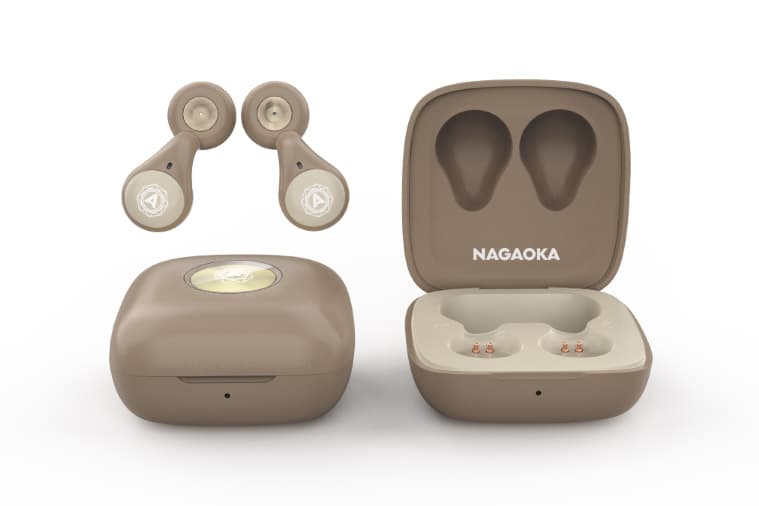
* NAGAOKA launched the NRING30 true wireless earphones, designed to hang like earrings, with an open-ear, non-intrusive fit for everyday listening.

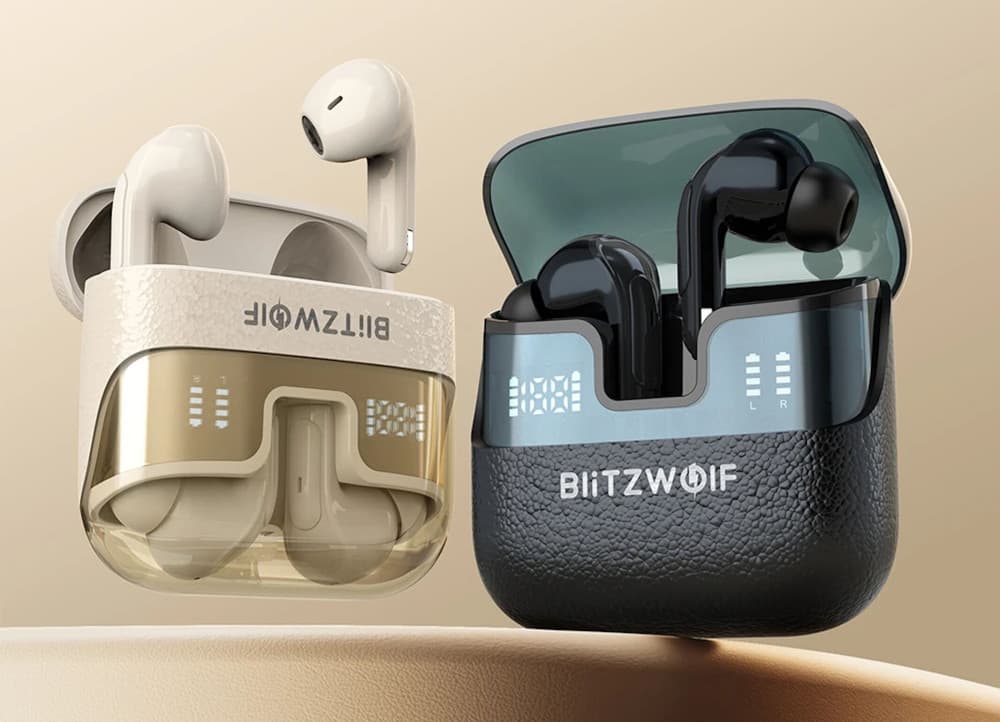
* BlitzWolf opens preorders for BW-FYE17 wireless earbuds at €23, shipped internationally without import duties, but likely lacking warranty and longer deliver…