Get the weekly hi-fi digest — new gear, best reads, and deals.

CanJam NYC 2026 showcased a strong resurgence of wired IEMs, with roughly three dozen brands presenting new models across affordable to ultra-premium price tiers.
Major manufacturers like Meze Audio, Campfire Audio, Noble, 64 Audio, FiiO, and Astell&Kern emphasized wired sound quality despite mainstream dominance of wireless earbuds.
Wired IEMs appeal by combining portability with high-fidelity audio, especially when paired with compact dongle DACs or portable DAC/amps from iFi, Questyle, and FiiO.
What stood out at CanJam NYC wasn’t nostalgia for cables, but how aggressively modern wired IEMs are being engineered around today’s sources. Many of the new designs appear optimized for low-voltage, high-current portable outputs, with impedance figures dipping into the teens and sensitivity tuned to extract dynamics from dongle-class DACs without tipping into hiss. This has pushed manufacturers toward tighter driver matching, more complex acoustic chambers, and increasingly elaborate crossover networks to maintain phase coherence at listening levels that would have exposed flaws a few years ago. The result is an IEM category that no longer assumes a full-size desktop stack upstream, but still prioritizes linearity, transient control, and low distortion over convenience features.
There is also a visible split in tuning philosophy that mirrors ongoing forum debates. Some builders continue to chase diffuse-field or near-reference targets with restrained bass shelves and extended upper-mid presence, clearly aimed at listeners who value mix intelligibility and microdetail. Others lean unapologetically musical, using dynamic or planar bass drivers to add physicality while smoothing treble with electrostatic or high-count balanced armature arrays. The technical common ground is an obsession with internal real estate: venting schemes to manage pressure, resin or metal shells milled to fractions of a millimeter, and modular cable terminations that acknowledge balanced outputs as the default rather than the exception.
Perhaps the most interesting takeaway is how wired IEMs are being positioned as a system, not a standalone product. Manufacturers implicitly assume pairing with external amplification, whether that’s a thumb-sized DAC or a pocket DAP, and are voicing their earphones accordingly. This contrasts sharply with the closed, DSP-heavy approach of true wireless designs, where tuning is inseparable from software. At CanJam, the wired camp’s argument felt less ideological and more technical: remove Bluetooth’s constraints, and the remaining bottleneck becomes pure acoustic and electrical design. For a segment long considered niche, that confidence says a lot about where serious portable audio believes its future lies.
Newsletter
Get the week's top trending stories, best deals, and new product launches — straight to your inbox.

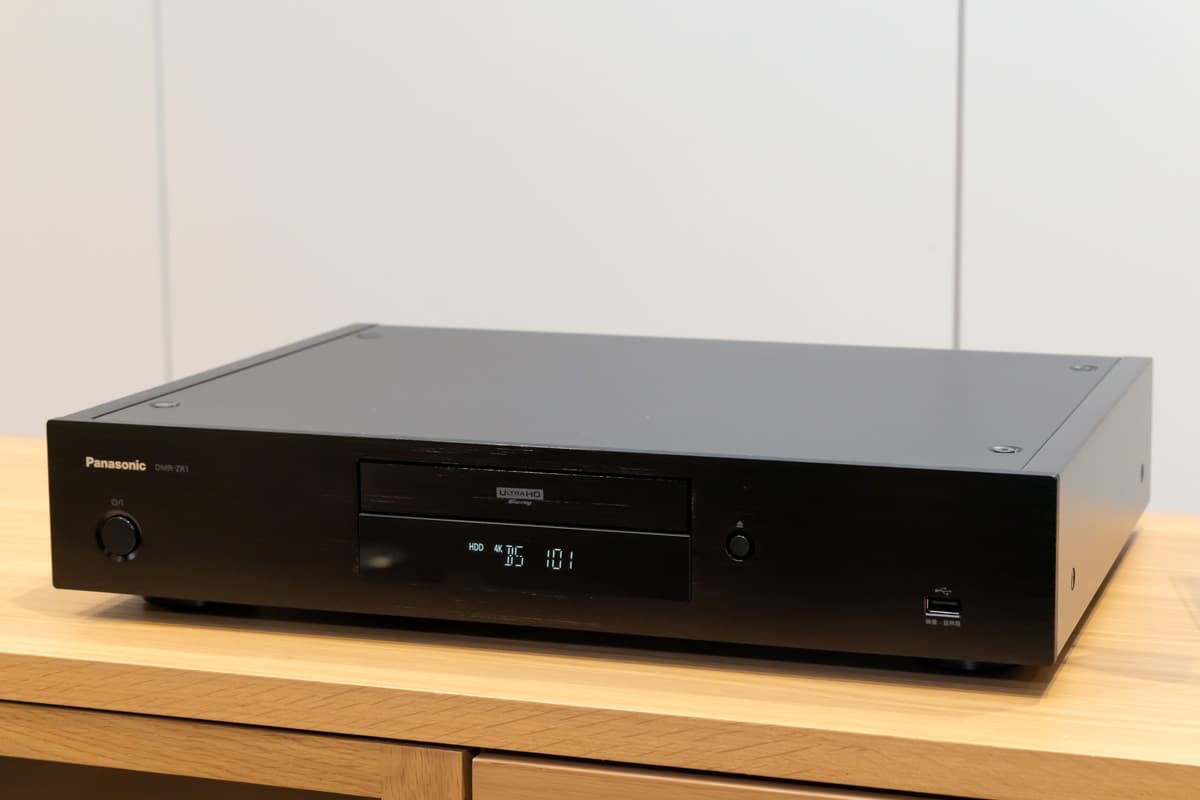
* Panasonic announced supply delays for its 4K tuner-equipped DIGA recorder DMR-ZR1 due to customer orders significantly exceeding initial demand forecasts.

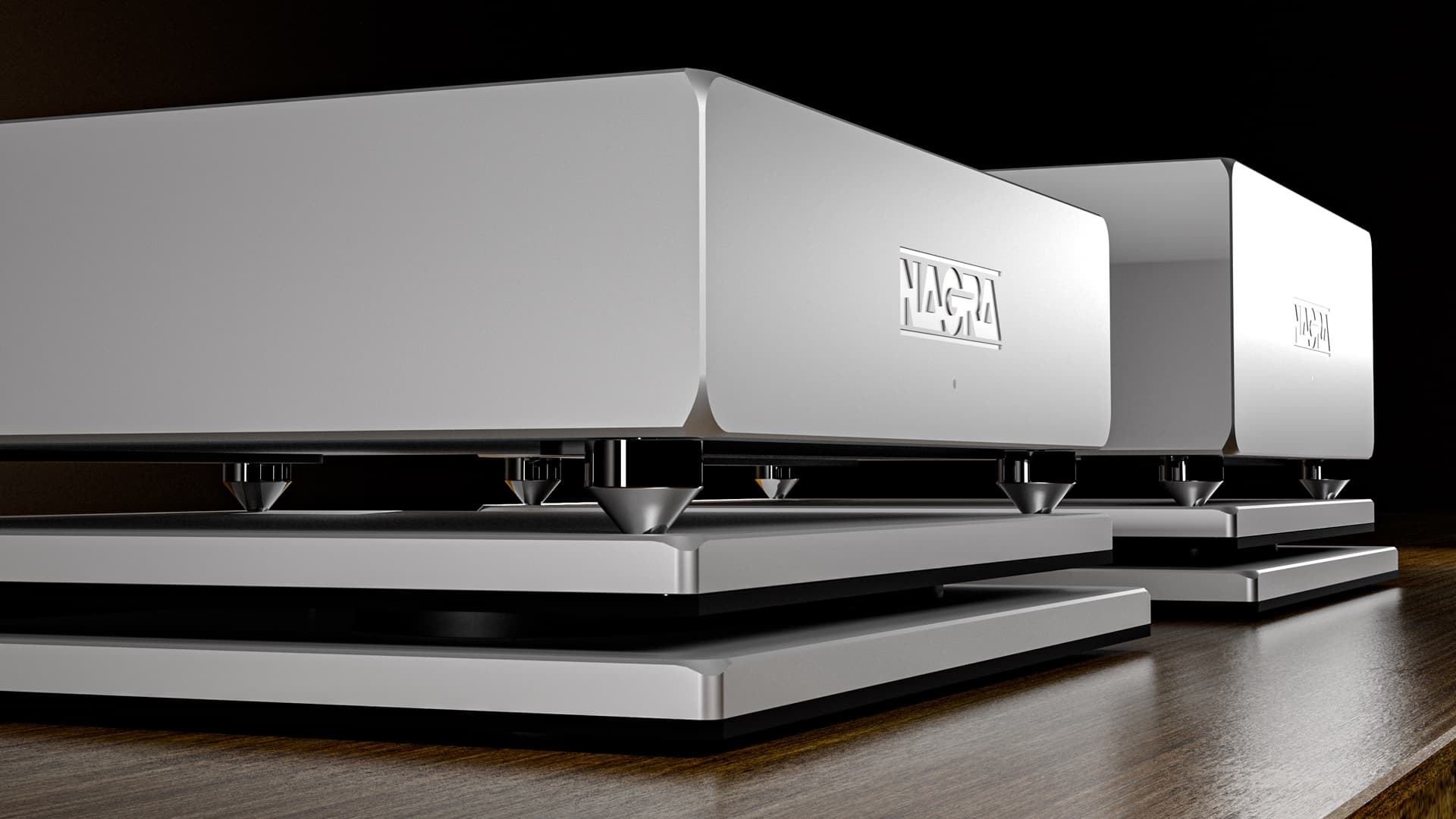
* Nagra introduces the Compact Player as a Swiss-developed digital hub, designed to serve either minimalist hi-fi systems or complex, high-end audio chains.

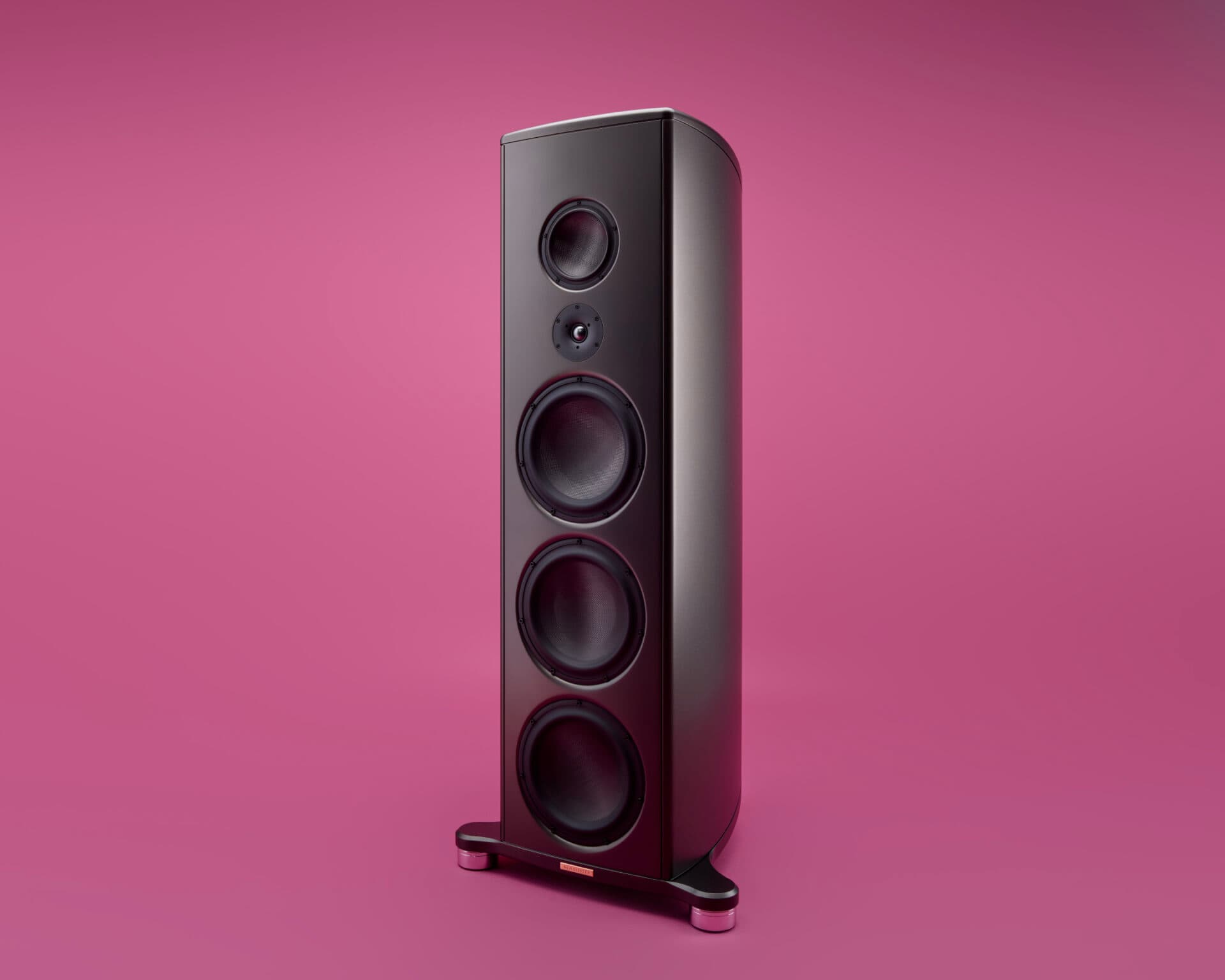
* Magico S7 is the new flagship of the S-series, positioned below the M9, featuring a massive 174 kg, three-way, five-driver floorstanding design.

* Free-admission hi-fi event “Der perfekte Klang” runs March 14–15, 2026, at Golfpark Kurpfalz, Limburgerhof, near Mannheim, organized by STEREO Premium Partne…