Deciding on Subwoofer Use in High-End Audio Systems 2.1 or 2.2 Setup - HiFi.Fan Article
Deciding on Subwoofer Use in High-End Audio Systems 2.1 or 2.2 Setup
作者 HiFi Editorial24 February 2026
重点摘要
2.0 channel systems prioritize audio purity and simplicity, minimizing signal degradation for uncolored sound.
Adding subwoofers (2.1 and 2.2 setups) enhances low-frequency response and overall sound balance.
Dual subwoofers improve bass consistency by reducing room acoustics-related dead spots.
Understanding High-End Audio: The 2.0 Channel Foundation
Introduction to High-End Audio and the 2.0 Channel System
High-end audio systems are revered for their ability to reproduce sound with exceptional clarity, depth, and fidelity. At the heart of many such systems is the 2.0 channel setup, which consists of two speakers - a left and a right. This configuration is a staple in the high-end audio world due to its simplicity and effectiveness in delivering a pure and uncolored soundstage.
The Philosophy Behind 2.0 Channels in High-End Systems
The preference for 2.0 channels in high-end setups is rooted in the pursuit of audio purity. With only two channels, the audio path is more direct, reducing the potential for signal degradation or interference that might occur in more complex setups. This simplicity ensures that the sound is as close to the original recording as possible, a key goal for audiophiles.
Technical Aspects of 2.0 Systems
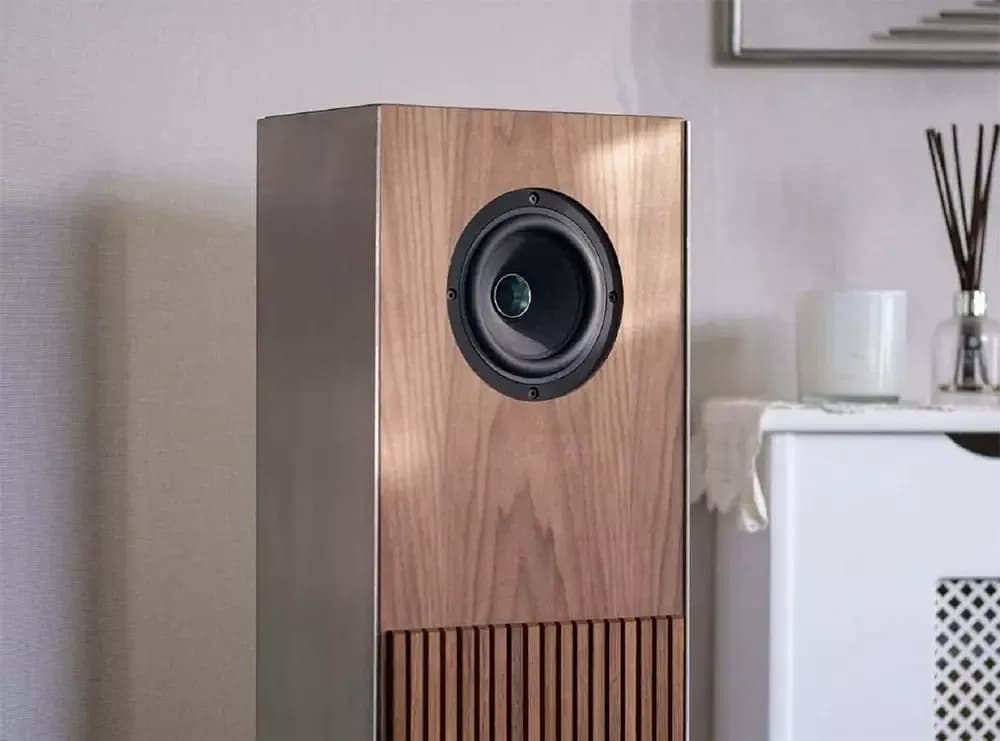
In a 2.0 system, each speaker is responsible for reproducing a full range of frequencies. High-end speakers are typically designed with this in mind, featuring advanced drivers and enclosures that can handle low, mid, and high frequencies effectively. The absence of a subwoofer in these setups is not seen as a limitation but as a design choice that emphasizes precision over sheer power.
The Role of Amplifiers in 2.0 Setups
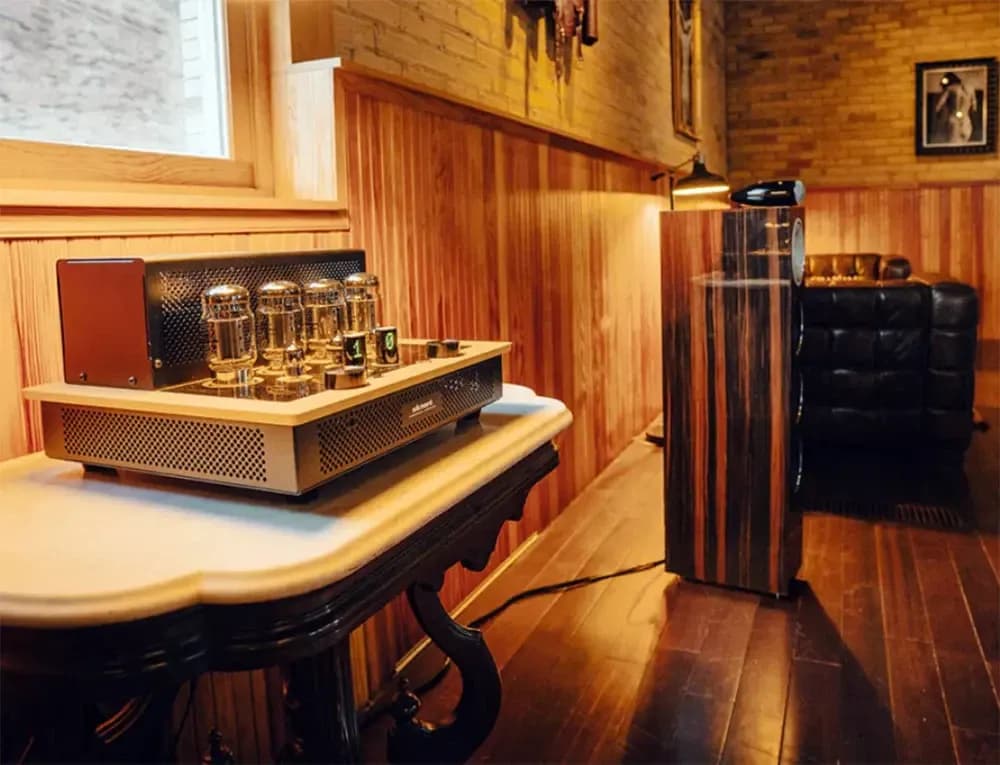
The amplifier in a 2.0 system is more than just a power source; it's the heart of the audio experience. High-end amplifiers are not merely about amplifying sound; they're about preserving the nuances and details of the audio. In 2.0 setups, such as those crafted by Pass Labs and McIntosh, the amplifiers are fine-tuned to deliver an unadulterated audio signal. This precision ensures that the stereo output retains the original quality of the recording, reflecting the artist's intent with utmost fidelity.
The Role of Subwoofers: Introducing the 2.1 Setup
The Basics of the 2.1 Setup
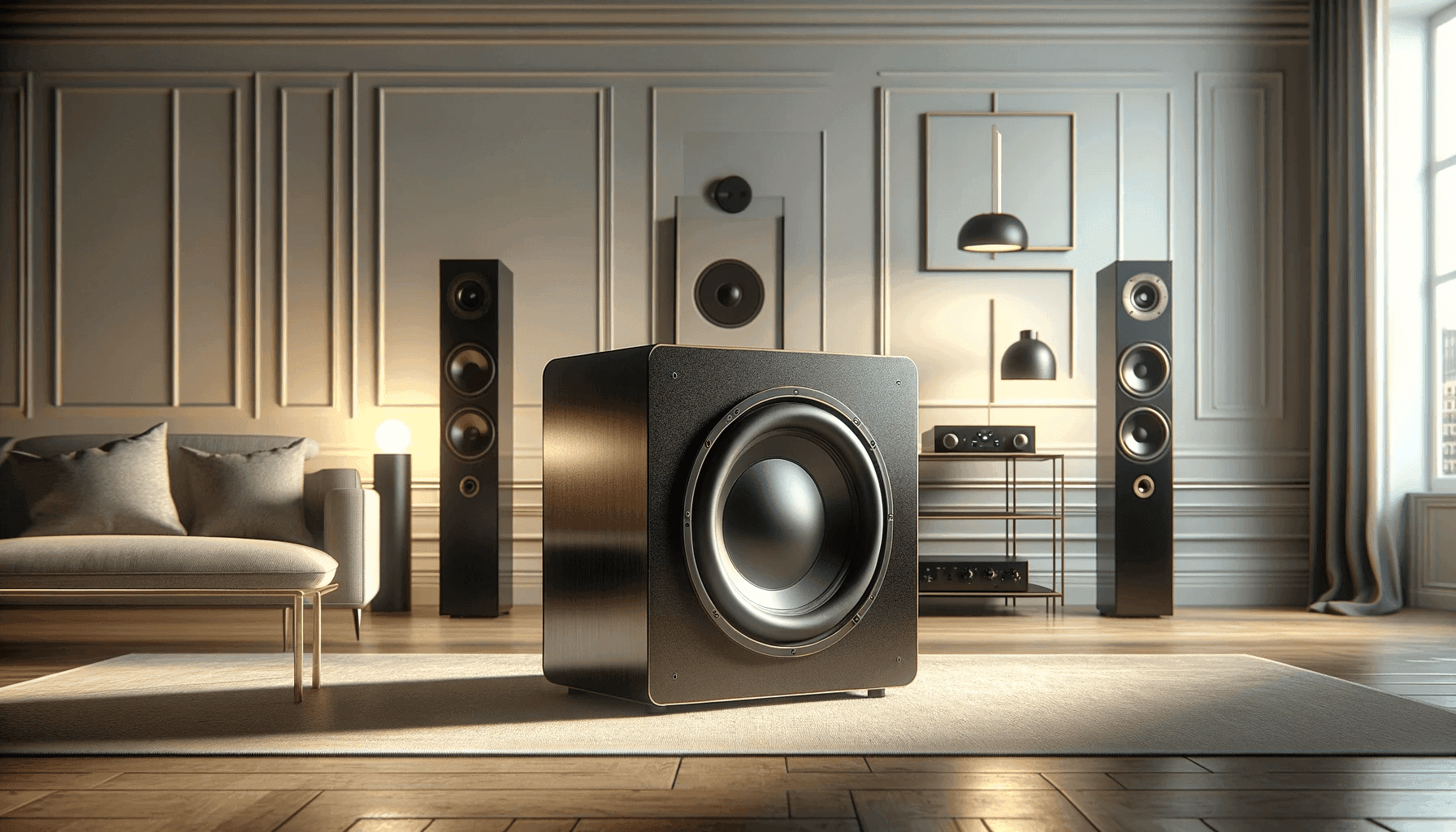
Moving from a 2.0 to a 2.1 setup involves adding a subwoofer to the existing two speakers. This configuration aims to enhance the overall sound quality by reproducing the lower frequencies more effectively than most standard speakers can achieve. The subwoofer takes over the task of delivering deep bass, allowing the main speakers to focus on mid and high frequencies.
Why Add a Subwoofer?
The addition of a subwoofer is often seen as a logical step to achieve a more complete sound. In the discussion shared, audiophiles highlighted that even high-end speakers might struggle with the lowest frequencies. A subwoofer can fill this gap, ensuring that the audio spectrum is fully represented. This addition can lead to a more accurate and immersive listening experience, particularly in genres of music where bass plays a prominent role.
Integrating a Subwoofer in High-End Systems
Integrating a subwoofer into a high-end system requires careful consideration. Most high-end pre-amps, have a sub output, making it technically feasible to add a subwoofer. The subwoofer typically has its own amplifier, so it doesn’t require power from the main amplifier. This separation allows for more control over the bass levels and the overall balance of the sound.
Subwoofers: Not Just for Home Theater
There's a common misconception that subwoofers are primarily for home theater systems. However, as the conversation reveals, subwoofers have a place in music reproduction too. They aren’t just about adding power to the sound; they're about enriching the listening experience by accurately reproducing the full range of sound as intended in the recording.
Evolving to 2.2: The Dual Subwoofer Approach
Introduction to the 2.2 Setup
The evolution from a 2.1 to a 2.2 system marks a significant step in enhancing the audio experience. In a 2.2 configuration, two subwoofers are paired with the traditional stereo speakers. This setup is gaining popularity among audiophiles for its ability to create a more balanced and immersive soundstage.
Why Two Subwoofers?
Adding two subwoofers instead of one can dramatically improve the distribution of bass frequencies within a room. The primary advantage is the reduction of bass 'dead spots' and the creation of a more uniform bass response throughout the listening area. This is particularly important in unevenly shaped rooms or spaces with challenging acoustics.
Optimal Placement of Dual Subwoofers
The placement of subwoofers in a 2.2 setup is critical. Contrary to the common practice of placing subwoofers next to the main speakers, audiophiles recommend experimenting with different locations in the room. The goal is to achieve a smooth bass response across the listening area. Techniques like distributed bass arrays are mentioned as effective methods to achieve this.
Integrating Subwoofers with Main Speakers
Integrating two subwoofers with the main speakers requires more than just physical placement. The conversation highlighted the importance of tuning the subwoofers to work in harmony with the main speakers. This involves adjusting crossover frequencies, phase settings, and volume levels to ensure a cohesive sound that doesn’t overpower or undermine the main speakers.
Benefits of a 2.2 System
The 2.2 system is not just about adding more bass; it's about enhancing the overall listening experience. Dual subwoofers can provide a more precise and controlled bass response, which is particularly beneficial for music genres with complex bass lines or deep, resonant tones. This setup can reveal subtleties in music that might be missed in a 2.0 or 2.1 system.
Subwoofers and Vinyl Playback: An Analog Dilemma
The Vinyl Resurgence and High-End Audio
The resurgence of vinyl has brought a renewed focus on the analog listening experience. Vinyl enthusiasts often prefer setups that honor the warm, natural sound of analog recordings. However, integrating subwoofers into these systems presents unique challenges.
Analog Purity vs. Bass Enhancement
The primary concern in adding a subwoofer to a vinyl setup is maintaining the integrity of the analog signal. Vinyl listeners value the untouched, pure sound of their records. Introducing a subwoofer, especially in a digital format, can be seen as a compromise to this purity. It emphasizes finding a balance between enhancing bass frequencies and preserving the analog character of vinyl.
Integrating Subwoofers in Vinyl Systems
For vinyl systems, the integration of subwoofers needs to be handled delicately. The use of high-level connections, as suggested by some audiophiles, is a method to connect subwoofers to vinyl setups without converting the signal to digital. This approach can maintain the analog integrity while benefiting from the subwoofer’s bass extension.
Choosing the Right Subwoofer for Vinyl
Not all subwoofers are suited for vinyl playback. Selecting a subwoofer that complements the nuances of analog sound is crucial. Audiophiles recommend looking for subwoofers with a natural, uncolored sound that can accurately reproduce the lower frequencies without overwhelming the inherent qualities of vinyl recordings.
High-End Amplifiers: Design Philosophies and Subwoofer Compatibility
The Essence of High-End Amplifier Design
High-end amplifiers represent a pinnacle of audio engineering, where the focus extends beyond mere functionality to achieving sonic perfection. Brands like Pass Labs and McIntosh embody this pursuit through their commitment to sonic clarity and detail. Their design philosophy steers away from adding complexity, like dedicated subwoofer channels, to maintain a pure, uncolored audio pathway. This approach underlines the belief that in high-end audio, less can often be more, prioritizing the quality of each component to ensure an exceptional listening experience.
Why High-End Amplifiers Often Lack Dedicated Subwoofer Channels
High-end amplifiers typically do not include dedicated subwoofer outputs because their design is rooted in traditional stereo audio principles. The aim is to deliver a pristine, uncolored sound, and the addition of a subwoofer channel is often seen as a deviation from this goal. However, this doesn't mean they are incompatible with subwoofers; it simply implies a different approach to integration.
Integrating Subwoofers with High-End Amplifiers
Integrating a subwoofer with these amplifiers usually involves using the pre-amp outputs or speaker-level outputs. The discussion suggests that most pre-amps have a sub output, and many subwoofers come with their own amplifiers, making this integration feasible. The key is to ensure that the subwoofer is complementing, not overpowering, the main speakers.
Strategies for Subwoofer Integration
To effectively integrate a subwoofer into a high-end 2.0 system, it's crucial to pay attention to aspects like crossover settings, phase alignment, and volume balancing. This ensures that the subwoofer works in harmony with the main speakers, enhancing the bass response without compromising the overall sound quality.
Optimizing Your High-End System with Subwoofers
Understanding Subwoofer Placement and Calibration
Proper placement and calibration are essential for integrating subwoofers into a high-end audio system. The placement of subwoofers should be experimented with for optimal bass response. This might involve moving them around the room and adjusting settings until the bass feels evenly distributed and integrated with the speakers.
The Benefits of Dual Subwoofers in High-End Systems
Adding two subwoofers (a 2.2 setup) can address room-related bass inconsistencies and enhance the overall listening experience. The key is to ensure that they are properly positioned and calibrated so that they work together to provide a smooth and even bass response throughout the listening area.
Subwoofer Selection for High-End Systems
Choosing the right subwoofer for a high-end system is crucial. The subwoofer should be of high quality, capable of delivering clean, tight bass that complements the main speakers. It should match the system not just in terms of power but also in sonic character.
Calibrating Subwoofers for Vinyl Playback
For vinyl enthusiasts, calibration becomes even more critical. The goal is to ensure that the subwoofers enhance the bass frequencies while retaining the analog warmth and richness of vinyl. This might involve fine-tuning crossover frequencies and volumes to ensure a seamless blend with the analog sound.
Conclusion
Adding subwoofers to a high-end audio system, whether it's a 2.1 or a 2.2 setup, requires thoughtful consideration and careful setup. The goal is to enhance the listening experience by extending the bass response without detracting from the purity and integrity of the high-end system. With the right approach, subwoofers can be a valuable addition to any high-end audio setup.