Get the weekly hi-fi digest — new gear, best reads, and deals.

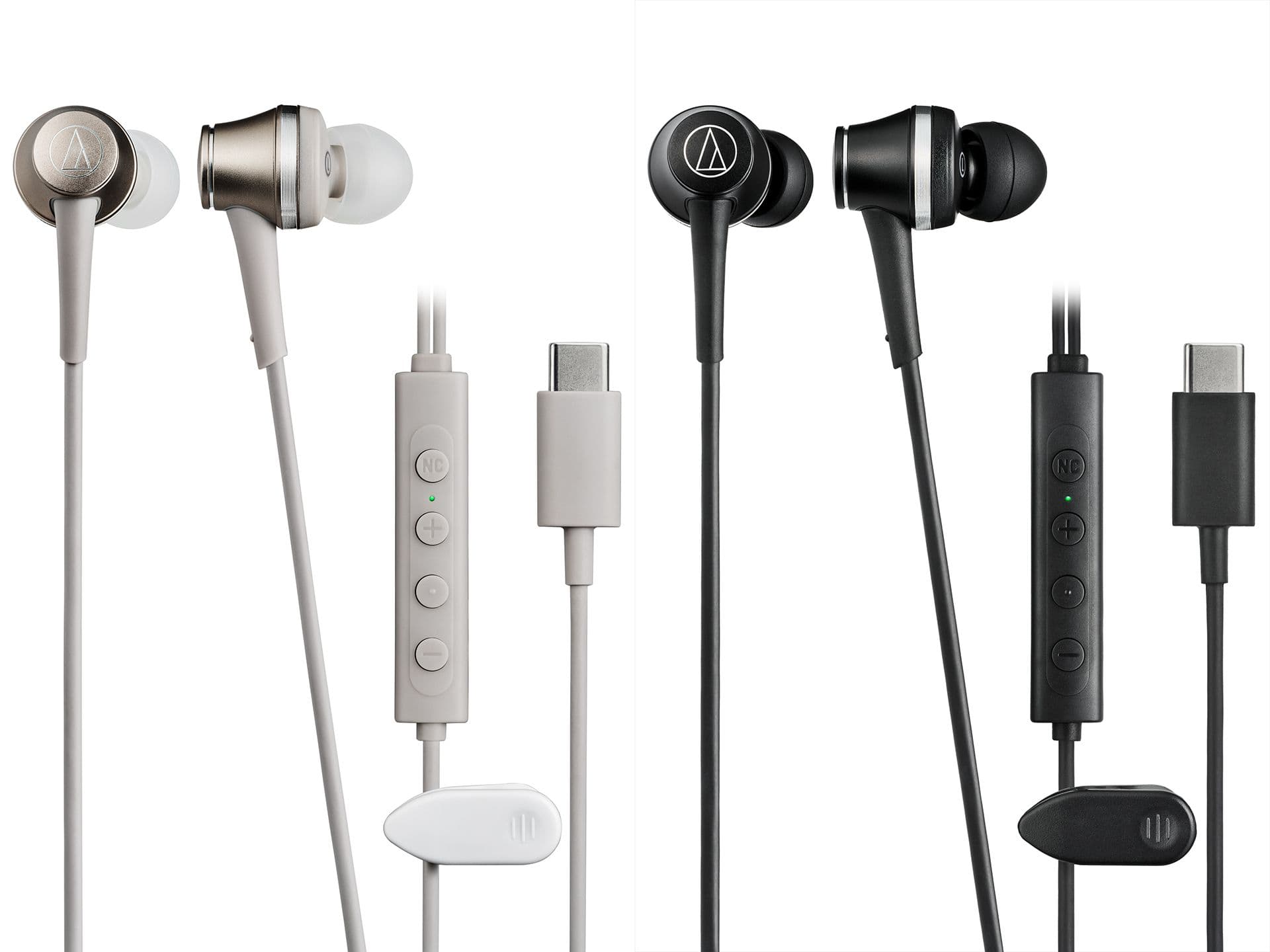
Audio-Technica launches the ATH-CKD7NC USB-C wired earphones on February 27, featuring hybrid noise cancelling and priced at ¥9,680 via direct sales.
The ATH-CKD7NC connects directly via USB-C and includes hybrid NC, hear-through mode, and ENC microphones for clearer voice calls during meetings.
Newly designed high-efficiency 11mm drivers improve sound separation, delivering deep bass, clear mids and highs, and support for Hi-Res audio playback.
Seen through an audiophile lens, the more interesting angle here is not the feature checklist but the decision to anchor noise cancelling to a wired, bus‑powered architecture. A direct digital path over USB‑C allows Audio‑Technica to control the entire signal chain—DAC, DSP, and amplification—without the variability of smartphone analog outputs. That typically means tighter channel matching and more predictable NC behavior across devices, while sidestepping the latency and codec artifacts that often dilute fine transient detail in wireless models. Several industry sources frame this as a pragmatic response to modern phones dropping analog jacks, but it also aligns with a quieter, forum‑favorite argument: wired DSP earphones can deliver consistent tuning in environments where Bluetooth stacks and OS updates constantly shift the sonic goalposts.

From a tuning perspective, Audio‑Technica appears to lean into mechanical and electrical discipline rather than aggressive DSP coloration. The emphasis on controlled diaphragm motion suggests an attempt to preserve phase coherence through the mids, an area where hybrid NC systems often struggle due to microphone feedback and processing delay. In practice, this approach tends to favor intelligibility and image stability over exaggerated sub‑bass lift, placing the voicing closer to the brand’s traditional “monitor‑adjacent” sound rather than consumer‑tilted warmth. Competing coverage highlights the use of rigid metal enclosures as a lifestyle design choice, but technically they function as a resonance sink, helping the driver’s attack and decay feel cleaner—something seasoned listeners often describe as improved micro‑contrast rather than outright detail.
What sets this model apart in broader discussions is its positioning against true wireless alternatives at similar budgets. Instead of chasing maximum isolation or feature density, the focus appears to be on reliability: stable call quality, predictable sound across laptops and tablets, and freedom from battery degradation. For office and travel use, that trade‑off resonates with users who value consistency over novelty. In that sense, the ATH‑CKD7NC reads less like a gadget release and more like a quietly opinionated statement about where wired listening still makes technical sense in 2026.
New gear, best reads, and deals — every Friday.

* Duran Duran’s 1993 ‘The Wedding Album’ and 1995 ‘Thank You’ are reissued on vinyl for the first time since original 1990s pressings.

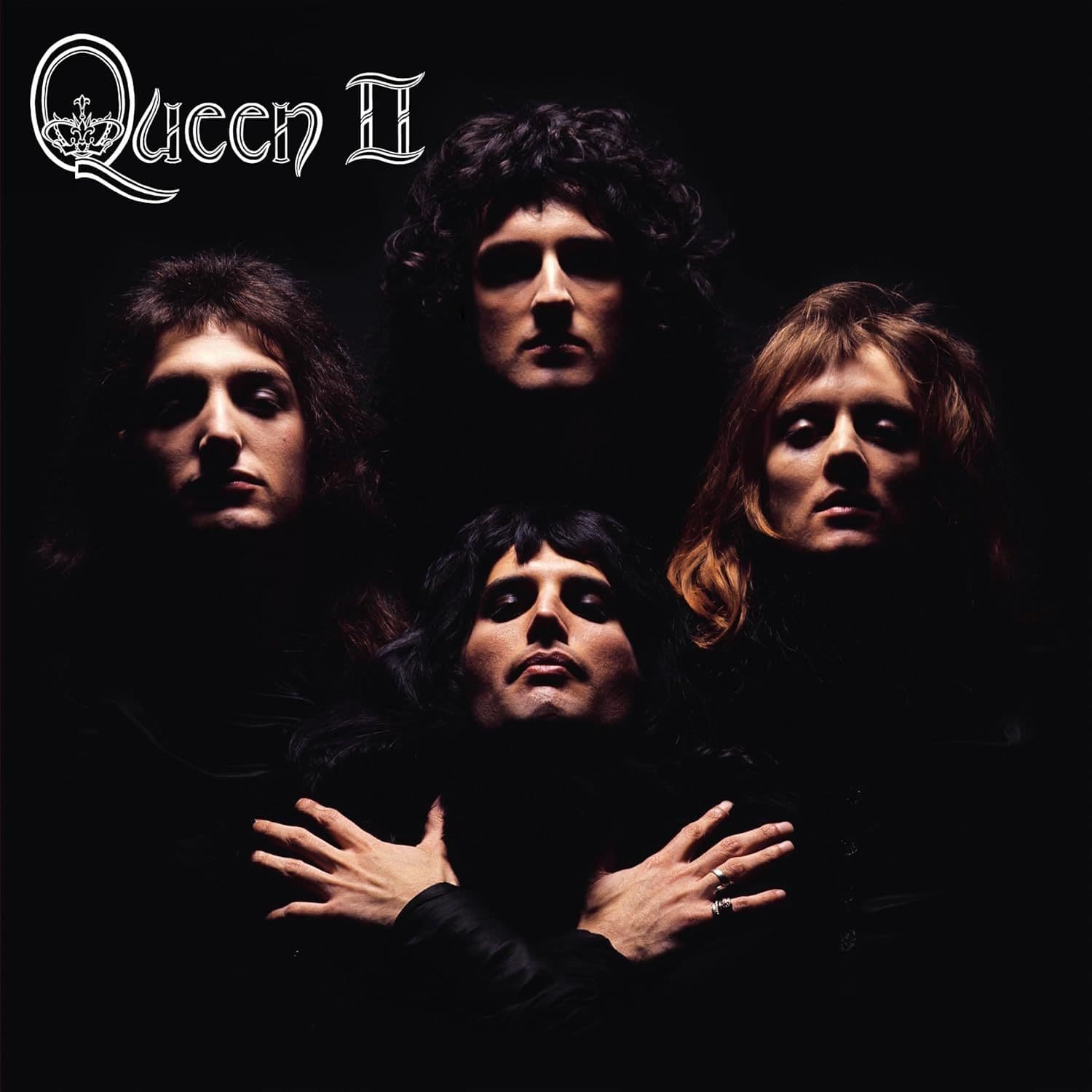
* Queen will release a 5CD+2LP super deluxe Queen II box set on 27 March 2026 via EMI, expanding the original 1974 album extensively.

* Prime Video will discontinue the Paramount+ add-on service in Japan on March 31, ending the ¥770 monthly subscription offering within the platform.

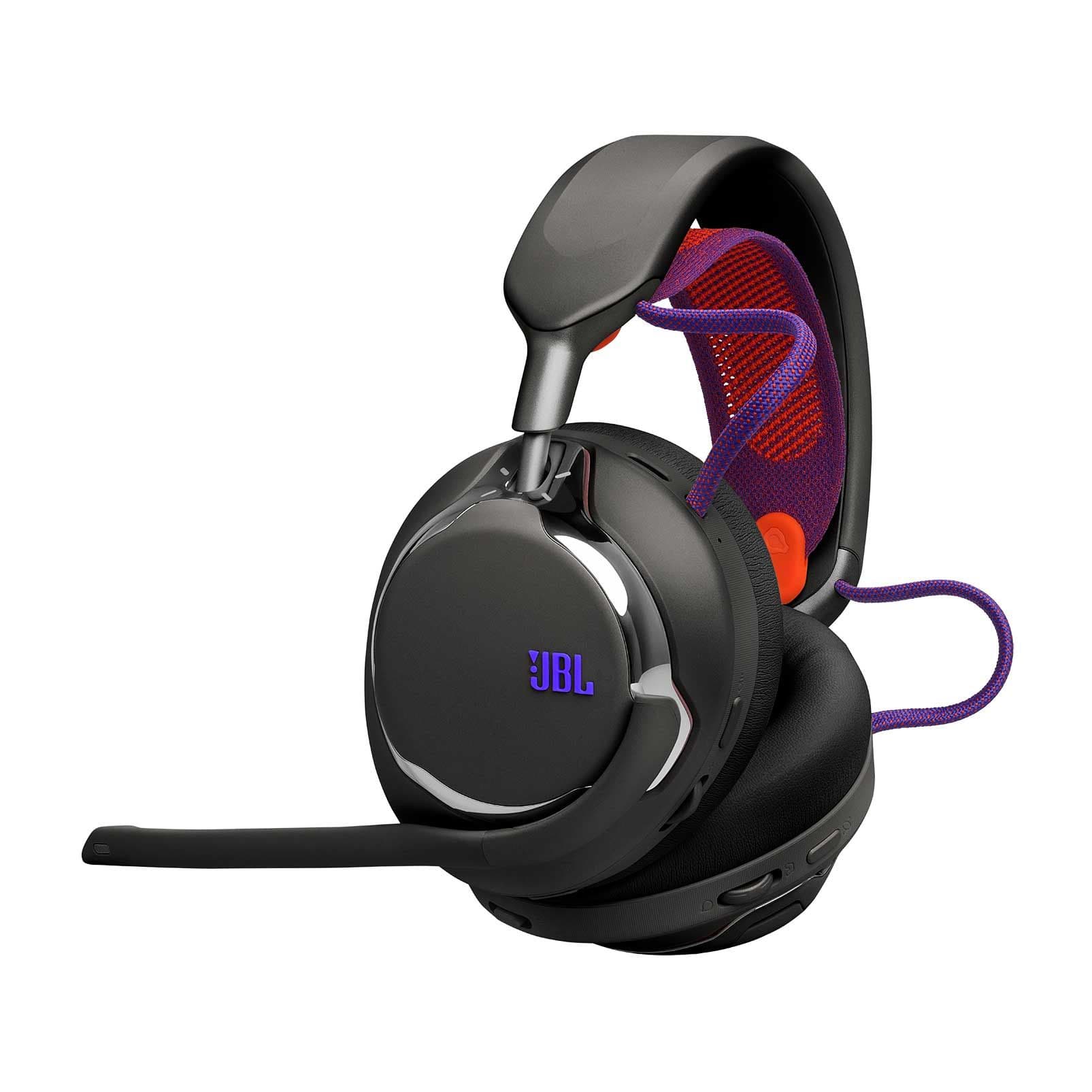
* Harman International launches three JBL Quantum gaming headsets on February 26: Quantum 950 WIRELESS, 650 WIRELESS, and 250, priced at ¥55,000, ¥22,000, and…