Get the weekly hi-fi digest — new gear, best reads, and deals.

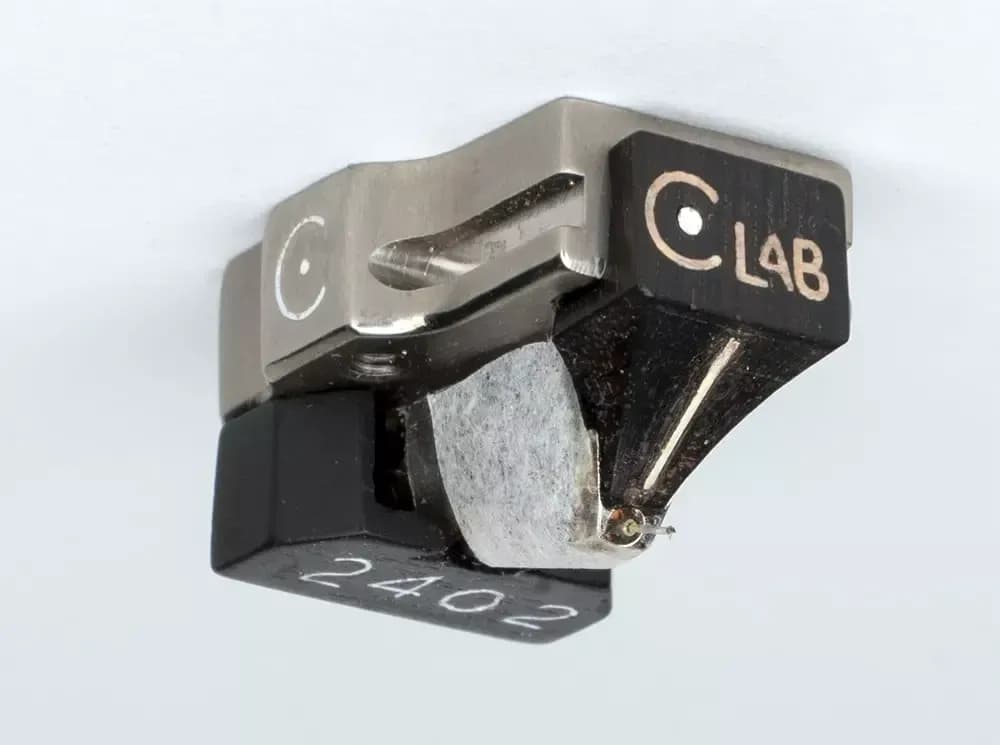
Clab Ebony Titanium is a fully hand-built MC phono cartridge crafted in Rome, representing years of research and a no-compromise, restoration-driven design philosophy.
The cartridge uses a solid titanium body with ebony front plate, dual rare-earth magnets, and hand-wound copper coils on pure iron cores.
A solid diamond cantilever with Japanese MicroLine stylus (3×70 µm) delivers high resolution, deep soundstage, and minimized hysteresis distortion.
What stands out in the Clab approach is how restoration practice clearly informs the engineering logic. Unlike many boutique MC designs that chase exotic materials for their own sake, the Ebony Titanium reads as a deliberate attempt to control energy storage and release across the entire mechanical loop. The titanium shell is not just about rigidity, but about predictable resonance behavior once coupled to the ebony interface elements, which act as lossy sinks rather than cosmetic accents. This hybrid structure suggests an emphasis on time-domain cleanliness—fast decay, low ringing—rather than purely tonal tuning. Several sources highlight that the magnetic circuit was voiced through long-term experimentation, pointing to field stability and symmetry as a priority, which is often overlooked in modern low-output designs chasing extreme sensitivity.

The generator architecture also hints at a classic-school mindset refined with modern execution. Pure iron cores and copper windings are choices associated with linearity and controlled inductance, but here they are implemented with unusually tight tolerances. In forum-style discussions, this combination is often linked to a denser midband and more coherent harmonic structure, especially when paired with low-impedance loading. The MicroLine profile, meanwhile, is less about headline tracking ability and more about groove-wall consistency across worn or complex pressings, which aligns with Clab’s background in cartridge restoration rather than showroom listening. This gives the impression of a cartridge designed to preserve information under less-than-ideal real-world conditions, not just pristine demo discs.
The matching 1:32 step-up transformer reinforces this system-level thinking. Vacoperm 100 cores are typically chosen for their high permeability and low coercivity, suggesting an effort to preserve microdynamic contrast without softening transients. The decision to include selectable loading—even if not strictly necessary for the Ebony Titanium itself—indicates an understanding of impedance interactions beyond a single product pairing. Compared to more minimalist SUT designs, the heavy shielding and mechanically decoupled internals point to a focus on noise floor stability in complex setups, where grounding schemes and nearby electronics can otherwise dictate sonic character. In combination, the cartridge and transformer read less like luxury objects and more like precision tools for extracting information from vinyl with minimal editorializing.
New gear, best reads, and deals — every Friday.

* Duran Duran’s 1993 ‘The Wedding Album’ and 1995 ‘Thank You’ are reissued on vinyl for the first time since original 1990s pressings.

* Queen will release a 5CD+2LP super deluxe Queen II box set on 27 March 2026 via EMI, expanding the original 1974 album extensively.

* Harman International launches three JBL Quantum gaming headsets on February 26: Quantum 950 WIRELESS, 650 WIRELESS, and 250, priced at ¥55,000, ¥22,000, and…

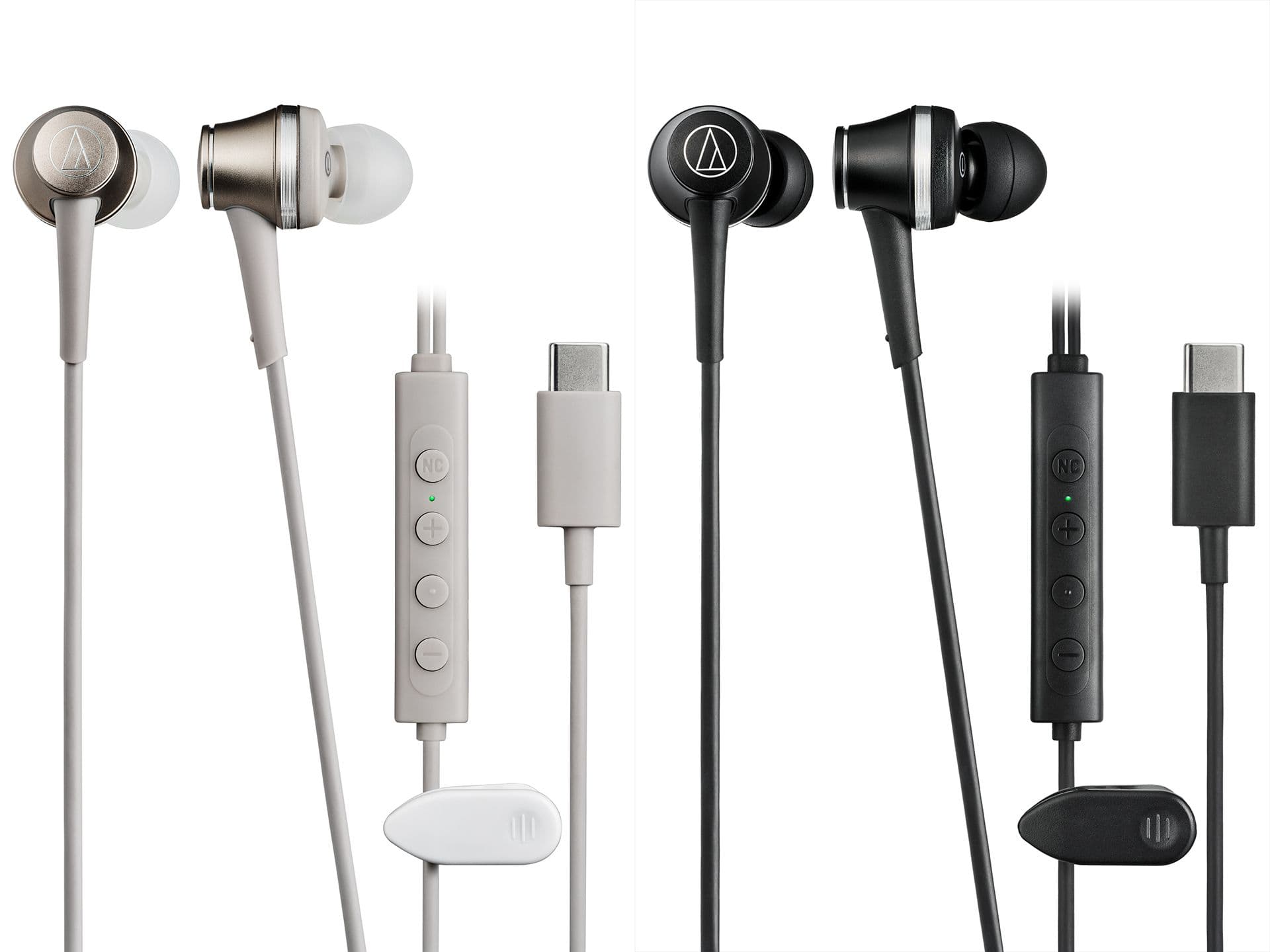
* Audio-Technica launches the ATH-CKD7NC USB-C wired earphones on February 27, featuring hybrid noise cancelling and priced at ¥9,680 via direct sales.