Get the weekly hi-fi digest — new gear, best reads, and deals.

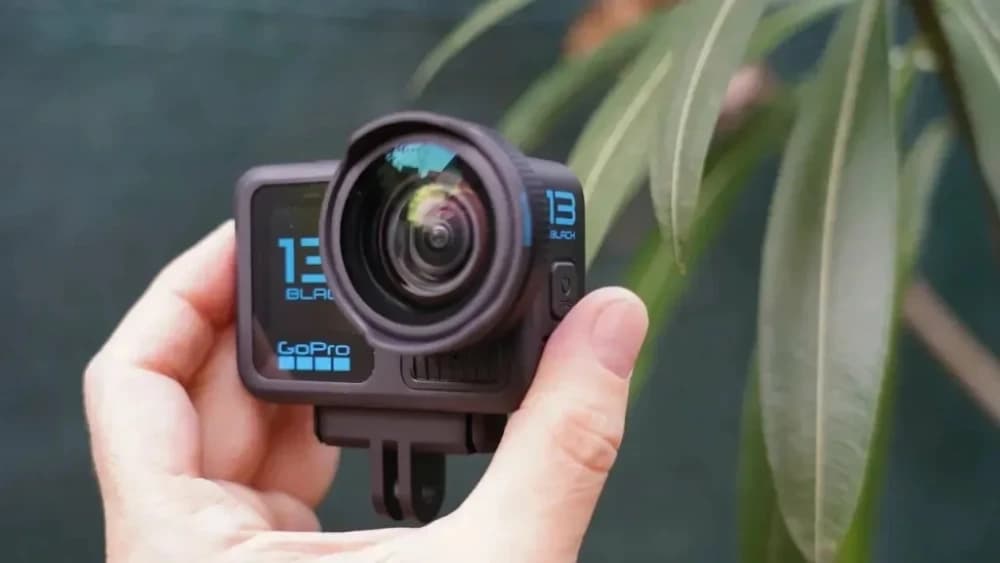
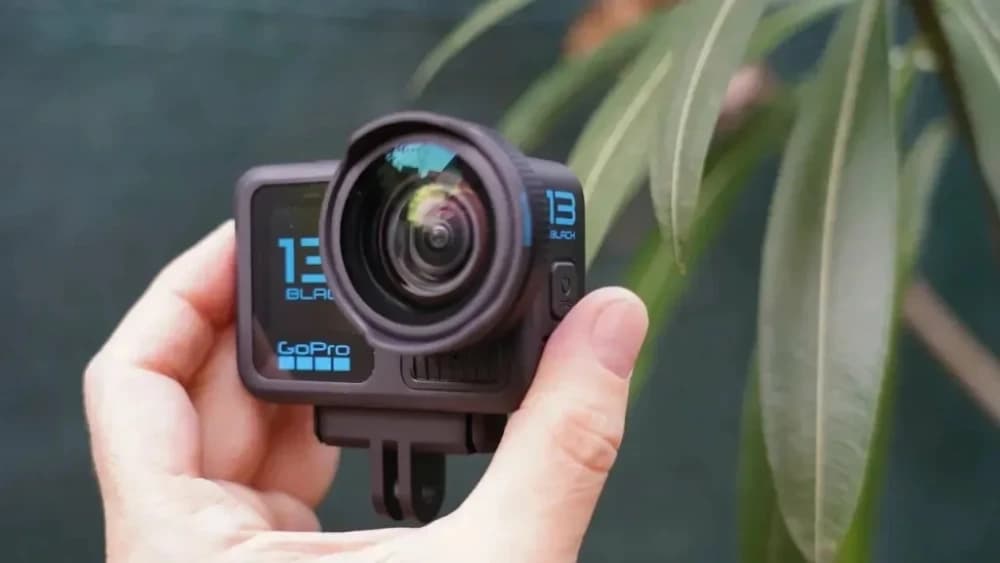
GoPro announced the GP3 image processor, built on a 5‑nanometer process, designed as the core platform for next‑generation cameras.
Compared with the GP2 chip used since 2021, GP3 more than doubles pixel‑processing performance, enabling higher resolutions and faster frame rates.
GP3 integrates a dedicated neural processing unit handling AI tasks like low‑light video pixel processing, advanced object tracking, and scene‑specific optimizations.
From an engineering standpoint, GP3 reads less like a routine silicon refresh and more like a rethink of GoPro’s entire imaging pipeline. The interesting part isn’t raw compute bragging, but how the processor can redistribute workloads internally: heavier demosaicing, multi‑frame HDR fusion, and temporal noise reduction can now be run in parallel rather than queued. That architecture shift matters because action cameras live and die by consistency — sustained bitrate, stable color matrices, and predictable rolling‑shutter behavior under stress. Where earlier designs had to compromise between resolution, frame cadence, and stabilization, GP3 suggests a platform where those trade‑offs are less audible, so to speak, with fewer digital artifacts creeping in when conditions turn ugly.
Another angle emphasized differently across sources is the role of machine‑assisted image tuning. GoPro’s messaging frames it as “smarter” shooting modes, but under the hood this implies a tighter feedback loop between sensor data and real‑time processing decisions. Instead of blanket presets, the processor can adapt tone curves, edge handling, and motion vectors on a per‑scene basis. For low‑light capture especially, this points to more aggressive temporal accumulation without the smeared textures that typically plague small sensors. In audiophile terms, it’s closer to lowering the noise floor without choking dynamics — a cleaner signal path rather than louder post‑processing.
What’s also telling is how GP3 is positioned as a long‑term platform rather than a single‑generation fix. That suggests firmware‑driven evolution: codecs, color science, and computational features can mature over time as the silicon headroom allows. One source leans into executive optimism, while another hints at the pragmatic benefit — stable performance envelopes even when cameras are sealed, overheated, or pushed to their limits. For users, that translates into less thermal throttling and fewer “gotcha” moments where specs exist only on paper. In short, GP3 feels designed to keep GoPro’s cameras sonically — and visually — coherent under pressure, not just impressive on a spec sheet.
Newsletter
Get the week's top trending stories, best deals, and new product launches — straight to your inbox.

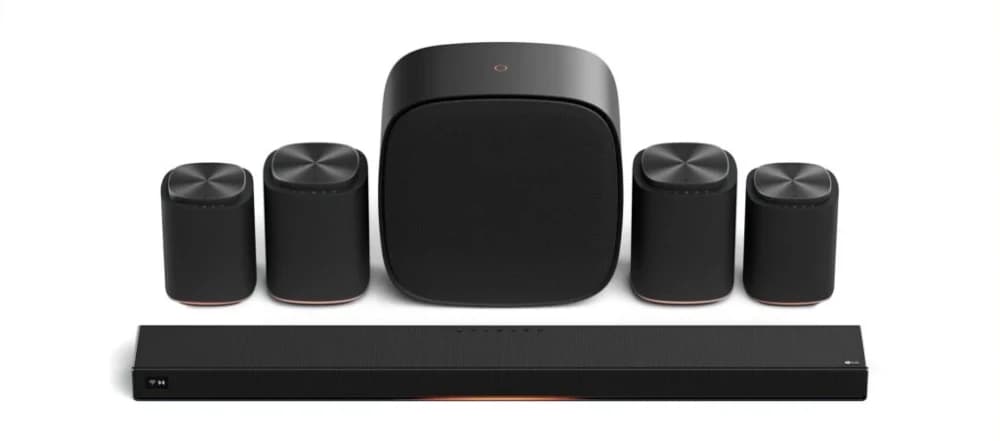
* LG Sound Suite debuted at CES 2026 as a premium, fully wireless home theater system delivering whole-room spatial audio for movies, sports, and music.

* GoPro announced the GP3 image processor, built on a 5‑nanometer process, designed as the core platform for next‑generation cameras.

* Craft Recordings expands its acclaimed Original Jazz Classics vinyl series with three rare titles from Lee Morgan, Bobby Timmons, and The Young Lions.

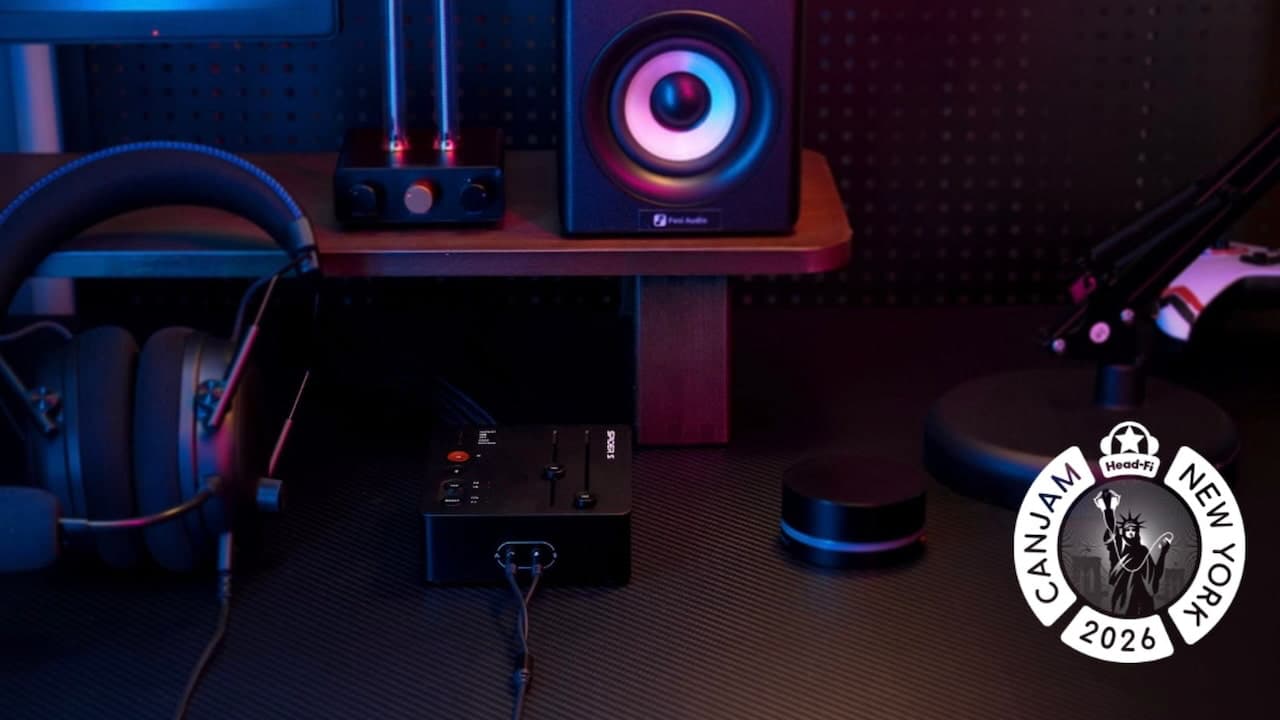
* Fosi Audio debuted the C3 AI Gaming Sound Card at CanJam NYC 2026, marking its first AI-trained processor targeting competitive FPS gamers seeking precise po…