Get the weekly hi-fi digest — new gear, best reads, and deals.

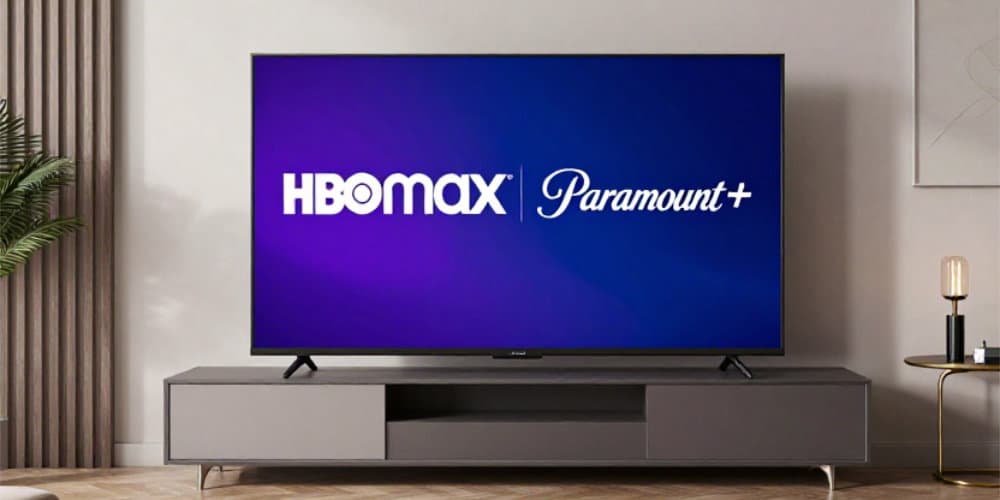
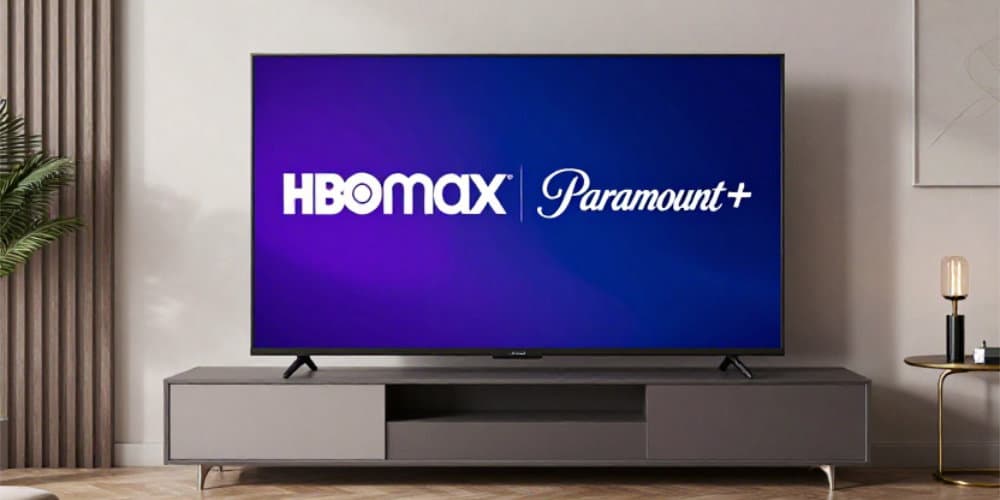
Paramount Skydance CEO David Ellison confirmed plans to merge HBO Max and Paramount+ into a single streaming platform, though timing and pricing remain undisclosed.
The merger follows Paramount Skydance outbidding Netflix to acquire Warner Bros. Discovery, owner of major franchises like The Dark Knight, Dune, and Game of Thrones.
The combined service is expected to be more expensive than current standalone subscriptions, but no concrete pricing model or launch window has been announced yet.
Beyond the corporate chess match, the technically interesting question is how a unified platform could rationalize two very different streaming backends. HBO Max has historically prioritized higher bitrates and more consistent Dolby Vision/Dolby Atmos implementations, while Paramount+ has leaned toward broader device compatibility with more aggressive compression profiles. A merger offers the opportunity to standardize on a single adaptive streaming stack, likely HEVC with selective AV1 rollout, paired with Atmos in Dolby Digital Plus rather than true lossless delivery. For home cinema enthusiasts, the real win would be consistent mastering pipelines—fewer level mismatches between series, tighter dialogue normalization, and less dynamic range flattening that currently varies from app to app.
From an industry perspective, analysts cited by CNBC frame the move less as a content grab and more as an efficiency play. Running parallel CDNs, metadata systems, and recommendation engines is expensive, and consolidation allows Paramount Skydance to amortize infrastructure costs while pushing a more premium technical profile. That said, there is tension between scale and quality: broader global reach often incentivizes lower average bitrates to keep bandwidth costs predictable. Audiophile circles will be watching closely whether the combined service treats Atmos as a flagship feature or quietly degrades it to maintain margins on mass-market devices.
Brand architecture also has technical implications. Keeping HBO as a distinct content label suggests curated presentation layers within the app—separate loudness targets, mastering guidelines, and possibly even different default audio tracks for HBO-tagged titles versus mainstream franchise fare. If executed properly, this could mirror how boutique Blu-ray labels differentiate themselves through sound and picture philosophy, even when distributed through the same platform. The merger’s success, at least from a hi‑fi standpoint, will hinge less on logos and more on whether engineering discipline survives the inevitable push for scale.
Newsletter
Get the week's top trending stories, best deals, and new product launches — straight to your inbox.

HiFi.De
* Paramount Skydance CEO David Ellison confirmed plans to merge HBO Max and Paramount+ into a single streaming platform, though timing and pricing remain undis…

* Samsung Galaxy Buds4 and Buds4 Pro debut in March 2026, targeting Apple and Sony with data-driven ergonomic blade designs refined using millions of ear data…

* JMGO announced the N3 Ultimate 4K DLP projector combining AI automation, the new MALC 5.0 engine, and high-precision optical lenses for premium home cinema.

* Carry by MIRAI SPEAKER is a portable, Bluetooth-enabled personal TV speaker launched March 3 in Japan, priced at ¥24,750 via direct sales.