Get the weekly hi-fi digest — new gear, best reads, and deals.

JBL launches next-generation neckband Bluetooth earphones, Tune 135BT, on March 12 in Japan, priced at ¥5,500, continuing the long-running Tune 110BT lineage.
Tune 135BT retains JBL Pure Bass sound while upgrading battery life to approximately 25 hours, with fast charging delivering around three hours of playback from 10 minutes.
Both Tune 135BT (canal-type) and Amazon-exclusive Tune 235BT (in-ear, open-fit) support Bluetooth 5.4, SBC/AAC codecs, and dual-device multipoint connectivity.
From a technical standpoint, the latest JBL neckband generation signals a quiet but meaningful refinement rather than a reinvention. The continued use of SBC and AAC over Bluetooth 5.4 positions these models squarely in the “stable and predictable” camp: latency behavior and connection robustness benefit from the newer stack, even if absolute codec bandwidth remains conservative. This choice aligns with the lineage’s focus on reliability and tonal consistency rather than chasing higher-bitrate formats that often expose weaknesses in entry-level DSP and amplification stages. The neckband architecture itself remains relevant for RF stability and antenna placement, a detail often overlooked in true wireless discussions but still valued by listeners who prioritize uninterrupted playback during long sessions.
The addition of app-level control subtly shifts the tuning philosophy. While the baseline voicing stays anchored in JBL’s familiar low-end emphasis, software EQ and device management introduce a layer of user agency previously absent from this series. This bridges a gap between casual portability and enthusiast expectations, especially for listeners accustomed to tailoring mid-bass bloom or upper-mid presence to suit different genres. Multipoint behavior further underscores this practical orientation, allowing seamless transitions between sources without renegotiating connections—an area where many budget Bluetooth designs still stumble.
Acoustically, the divergence between the canal-style and open-fit variants highlights two interpretations of everyday listening. The sealed in-ear design favors pressure-assisted bass extension and isolation, while the open-fit approach trades low-frequency authority for spatial awareness and comfort. Both benefit from improved environmental resistance and lightweight construction, reinforcing their role as daily companions rather than audiophile statement pieces. In that sense, JBL’s update reads as a maturation of a long-running platform, tuned for modern usage patterns while deliberately avoiding unnecessary technical bravado.
Newsletter
Get the week's top trending stories, best deals, and new product launches — straight to your inbox.

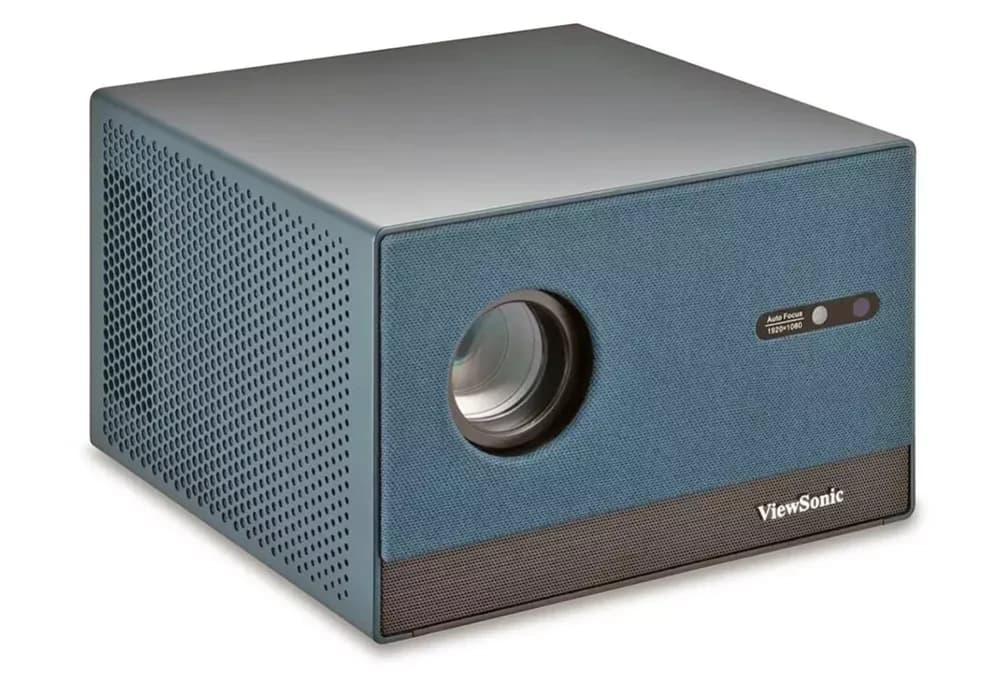
* ViewSonic LX60HD targets the fast-growing lifestyle projector segment, emphasizing portability, quick setup, and affordable large-screen viewing up to 100–14…

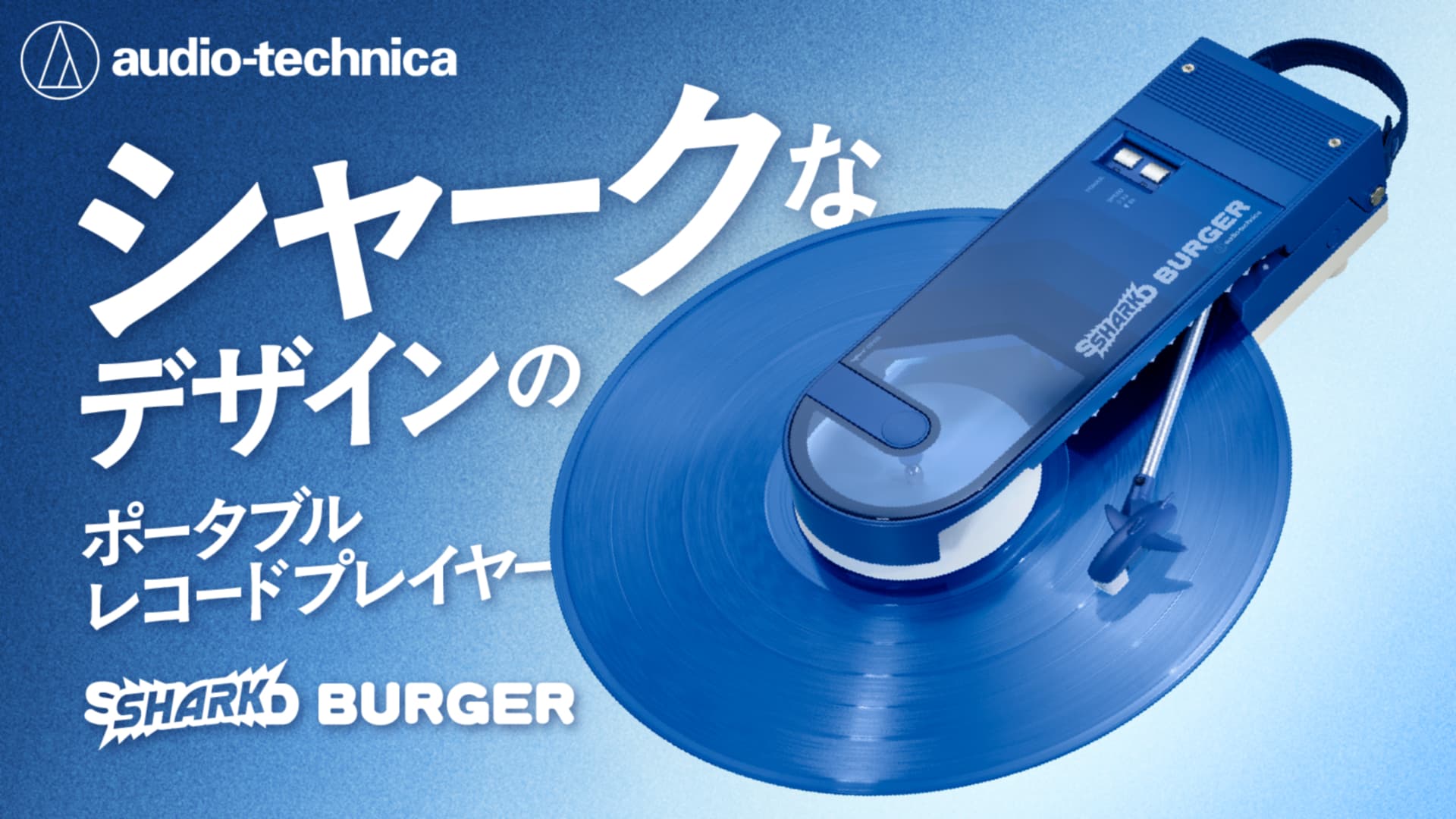
* Audio-Technica launched Makuake crowdfunding for portable record player SHARK BURGER, priced from ¥28,050 (15% off), March 5–May 15, shipping late May 2026.

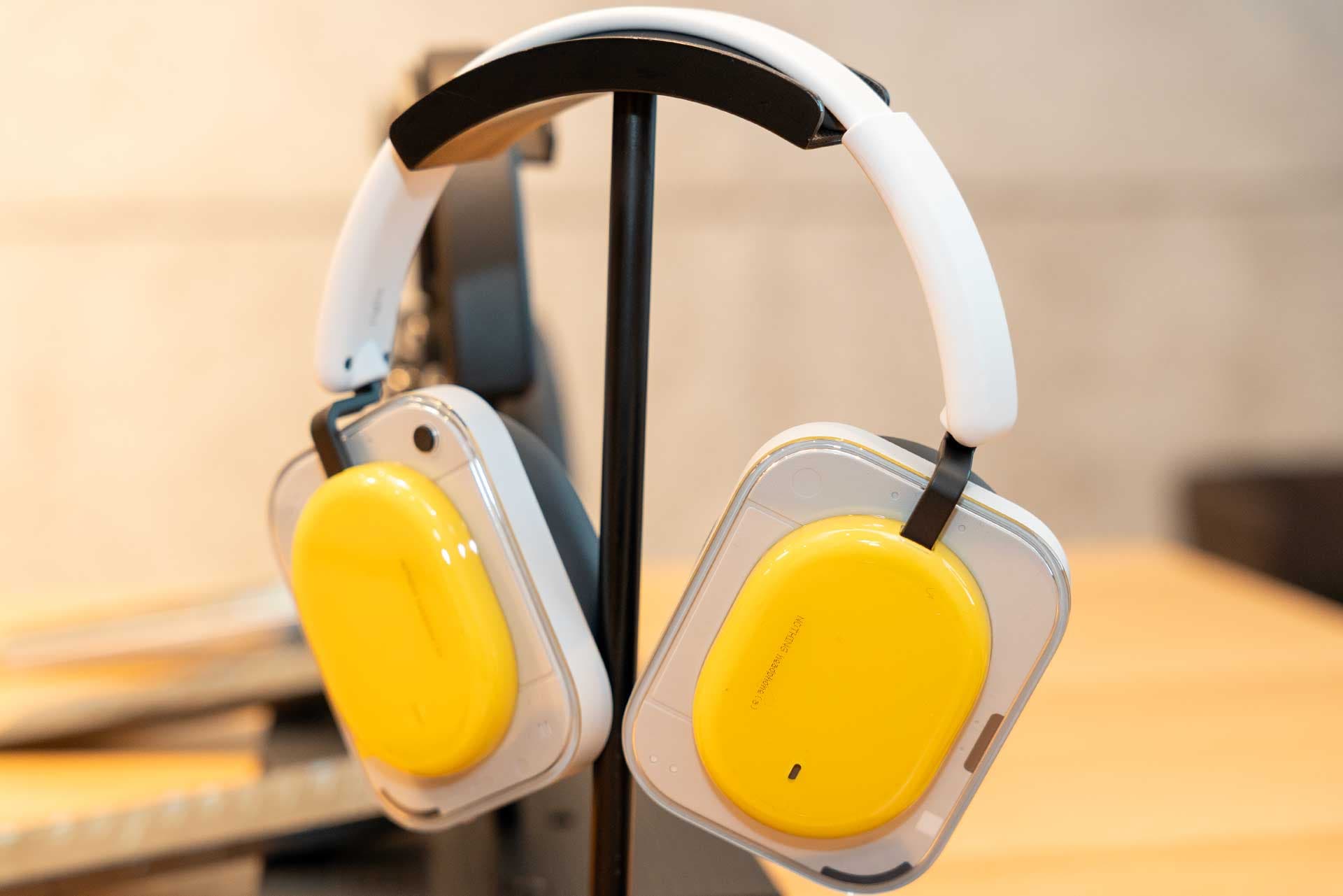
* Nothing Headphone (a) launches March 13 at ¥27,800, offering up to 135 hours battery life (75 hours with ANC), four colors, with yellow delayed until April.

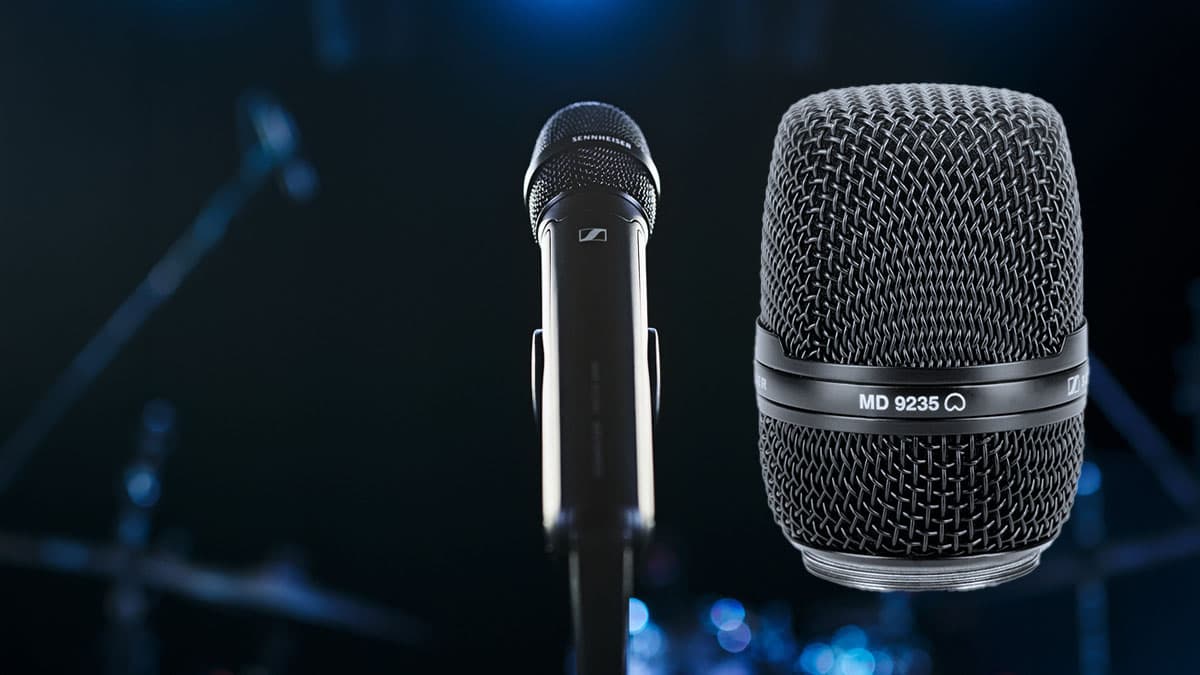
* Sennheiser announces a fresh production run of the MD 9235 cardioid microphone head, reviving a long-requested favorite among touring engineers, rental compa…