Get the weekly hi-fi digest — new gear, best reads, and deals.

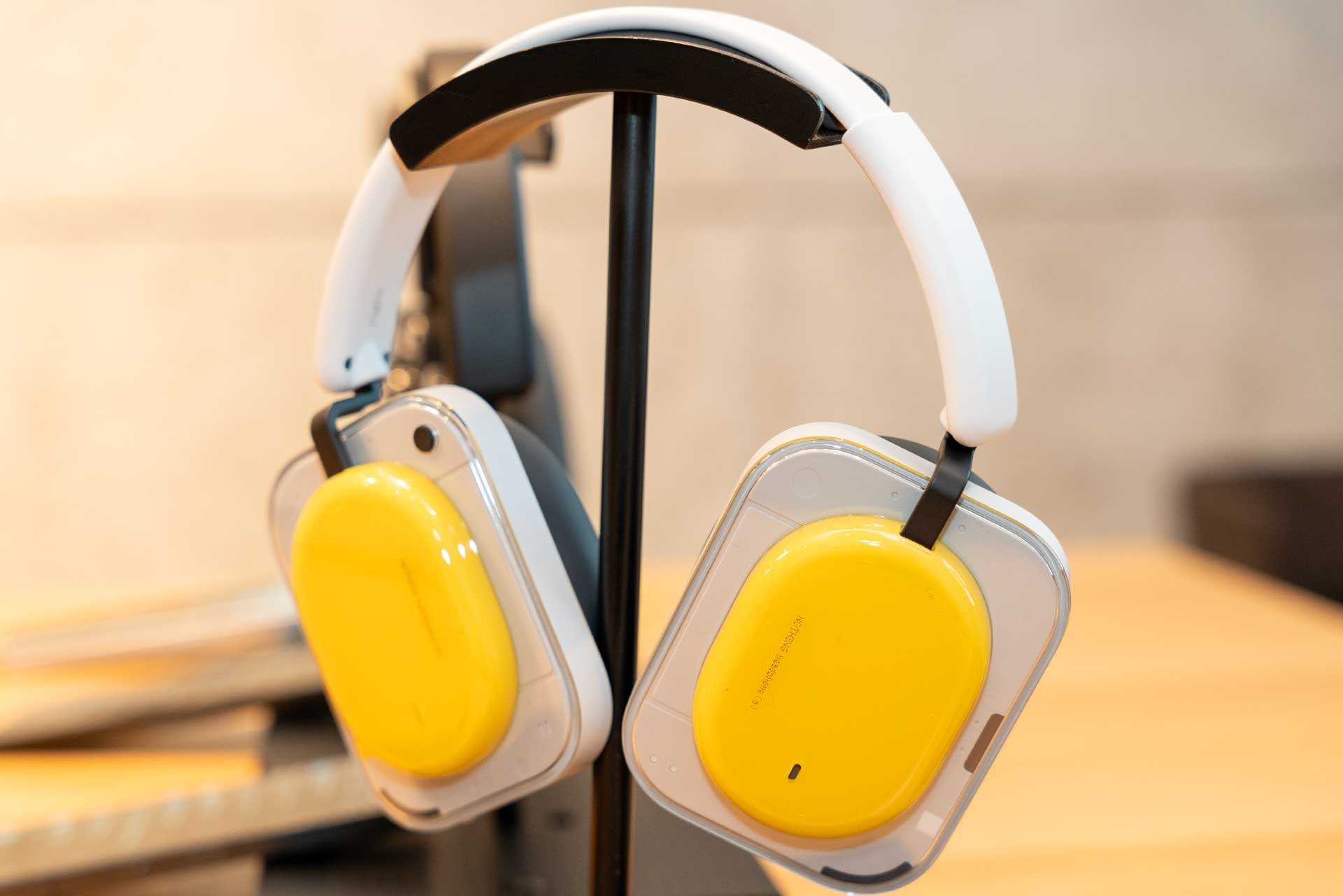
Nothing Headphone (a) launches March 13 at ¥27,800, offering up to 135 hours battery life (75 hours with ANC), four colors, with yellow delayed until April.
Nothing claims market-leading endurance, citing 46% longer battery life than competitors, plus fast charging delivering up to eight hours of playback from five minutes.
Design mirrors flagship Headphone (1) but swaps aluminum cups for plastic, reducing weight to 310g, adding PU foam headband, PU leather cushions, and durable MIM steel hinges.
Stripping away the KEF co-branding signals a quiet but meaningful shift in Nothing’s tuning philosophy. Moving from nickel- to titanium-coated diaphragms typically trades a touch of warmth and harmonic density for faster transient response and a cleaner decay profile. Paired with a stiffer motor assembly and wider excursion envelope, the Headphone (a) appears engineered for control rather than character—prioritizing low-frequency grip and midband intelligibility over the slightly romantic voicing often associated with collaborative “house sound” projects. The redesigned acoustic chambers also suggest a focus on damping internal reflections, which should help keep upper mids from glazing over at higher SPLs, a common complaint in long-endurance wireless designs.
The material downgrade from aluminum to polymer cups reads less like cost-cutting and more like resonance management. Plastic enclosures, when properly braced, can exhibit more predictable vibrational behavior than thin metal shells, especially in closed-back wireless architectures packed with batteries and antennas. Combined with MIM-fabricated steel hinges, the mechanical design prioritizes longevity and repeatable clamping force—details that matter for maintaining seal integrity, and therefore bass linearity, over extended listening sessions. The PU foam headband and compliant cushions further hint at an emphasis on consistent ear-to-driver geometry rather than luxury tactility.
On the DSP side, Nothing’s approach feels pragmatic rather than flashy. The spatial modes lean toward scene-based EQ and phase manipulation instead of aggressive virtualization, while adaptive noise cancellation relies on situational presets instead of fully autonomous AI guesswork. That restraint aligns with the broader system integration: physical controls over touch surfaces, OS-level shortcuts, and cross-platform pairing standards point to a product designed to disappear into daily use. In audiophile terms, Headphone (a) reads as a tool-first wireless headphone—engineered to stay sonically tidy, electrically efficient, and mechanically stable, even if it avoids the overt personality of its flagship sibling.
Newsletter
Get the week's top trending stories, best deals, and new product launches — straight to your inbox.

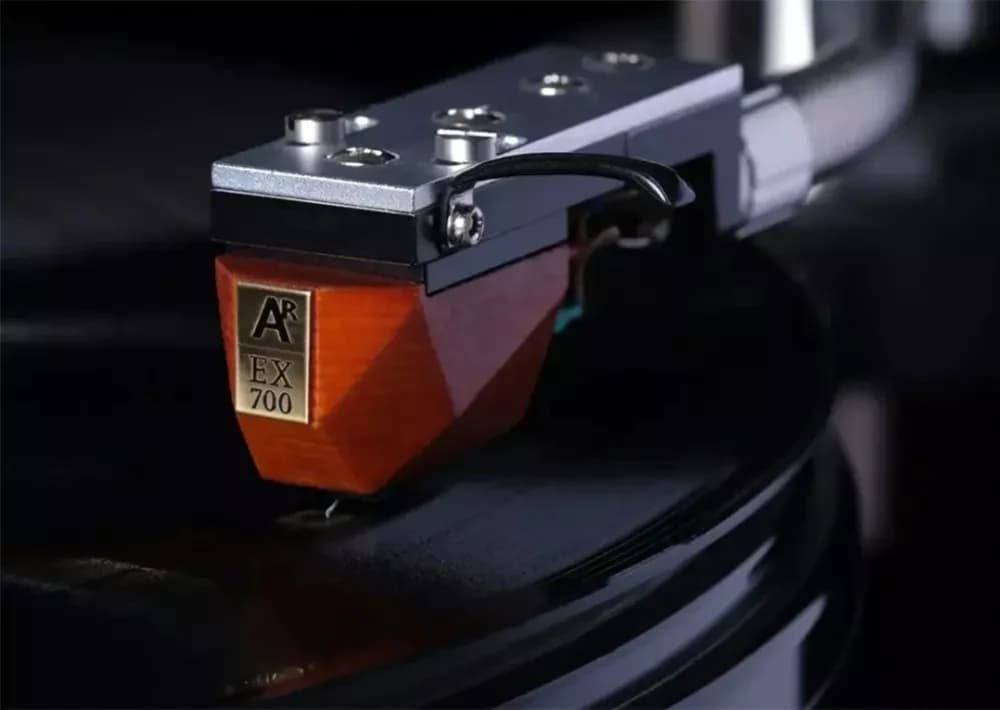
* Analog Relax EX700 is a Japanese moving-coil (MC) cartridge inspired by classical instruments, targeting ultra-high-end vinyl playback.

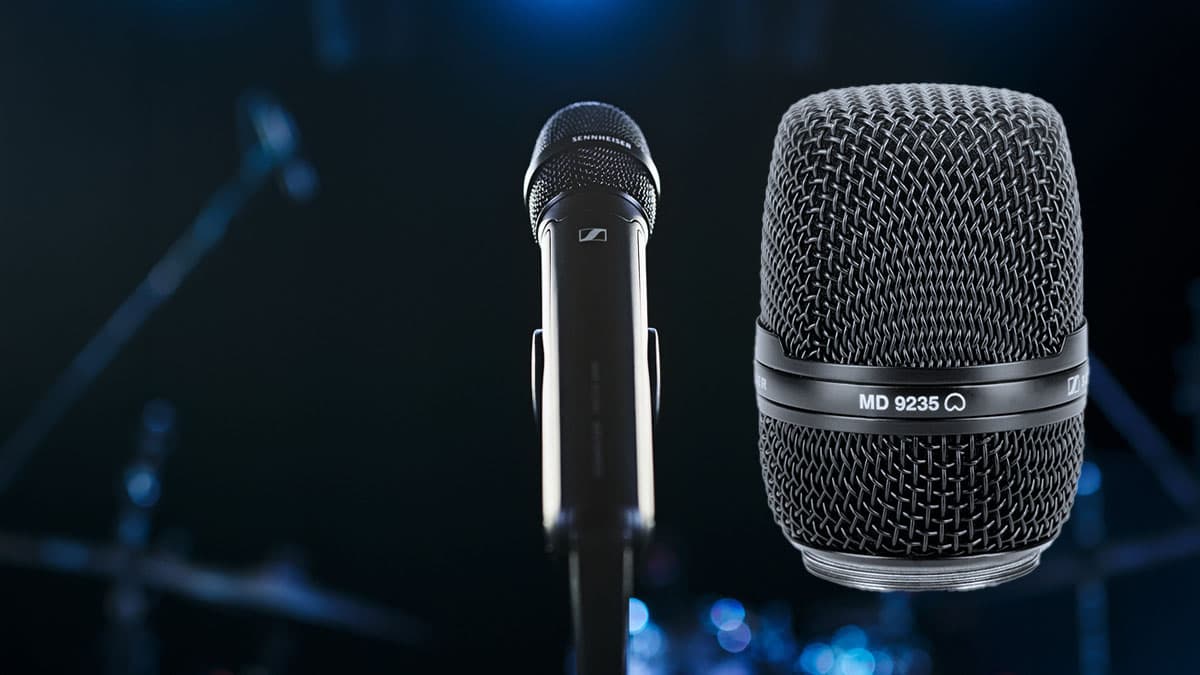
* Sennheiser announces a fresh production run of the MD 9235 cardioid microphone head, reviving a long-requested favorite among touring engineers, rental compa…

T3 Audio
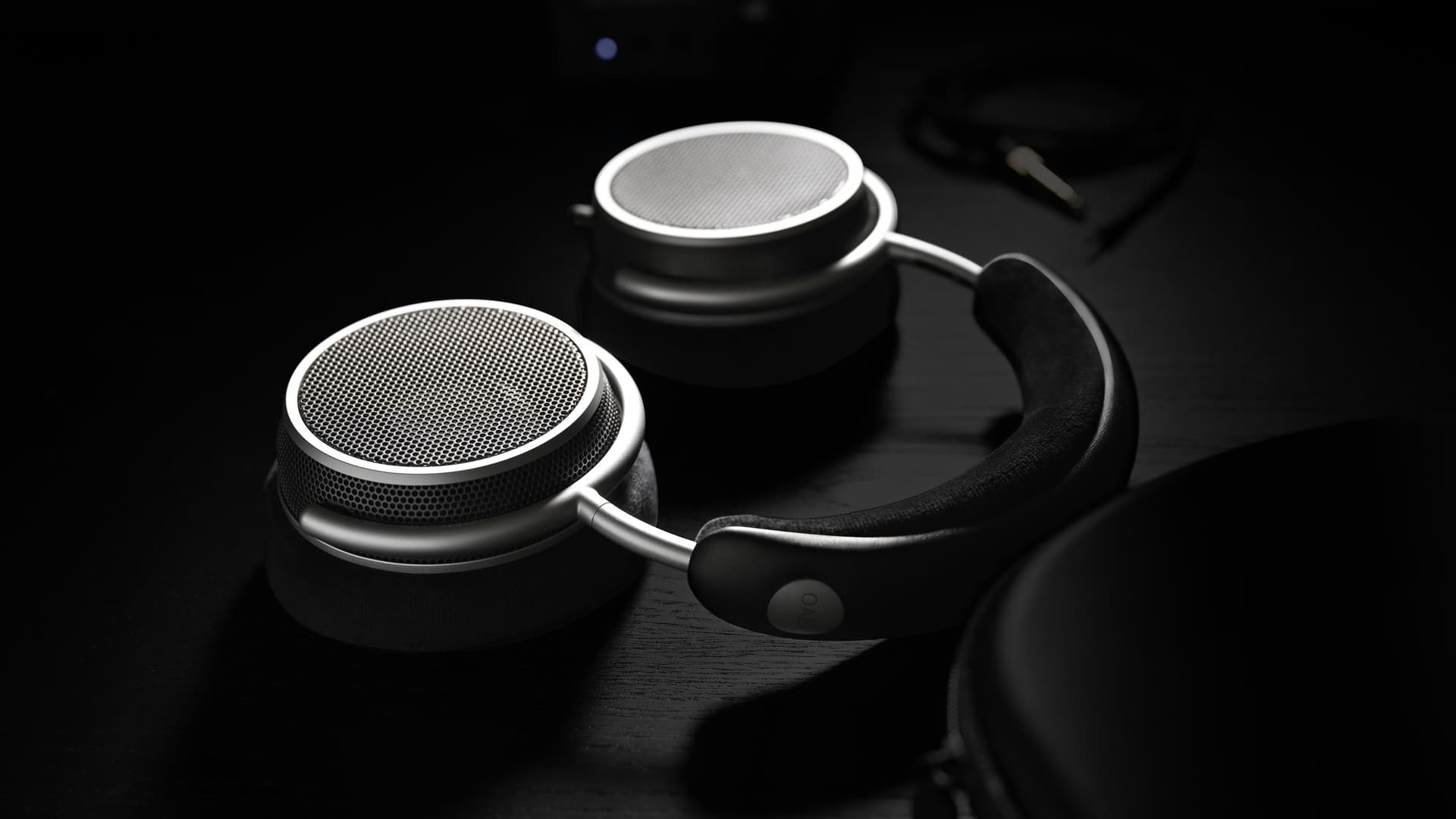
* Grell Audio OAE2 headphones leverage a unique acoustic design that directs sound around the ear, activating natural spatial localisation without relying on a…

* JBL Endurance Run 3 are wired sport earbuds designed for athletes, featuring FlipHook for in-ear or over-ear wear and TwistLock stability.