Get the weekly hi-fi digest — new gear, best reads, and deals.

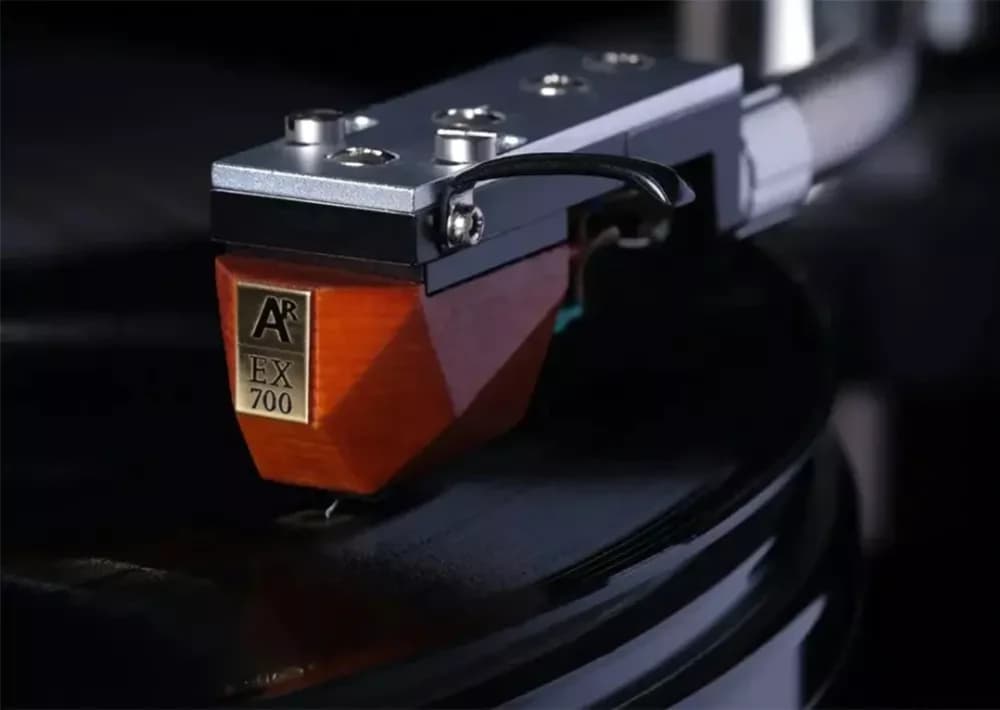
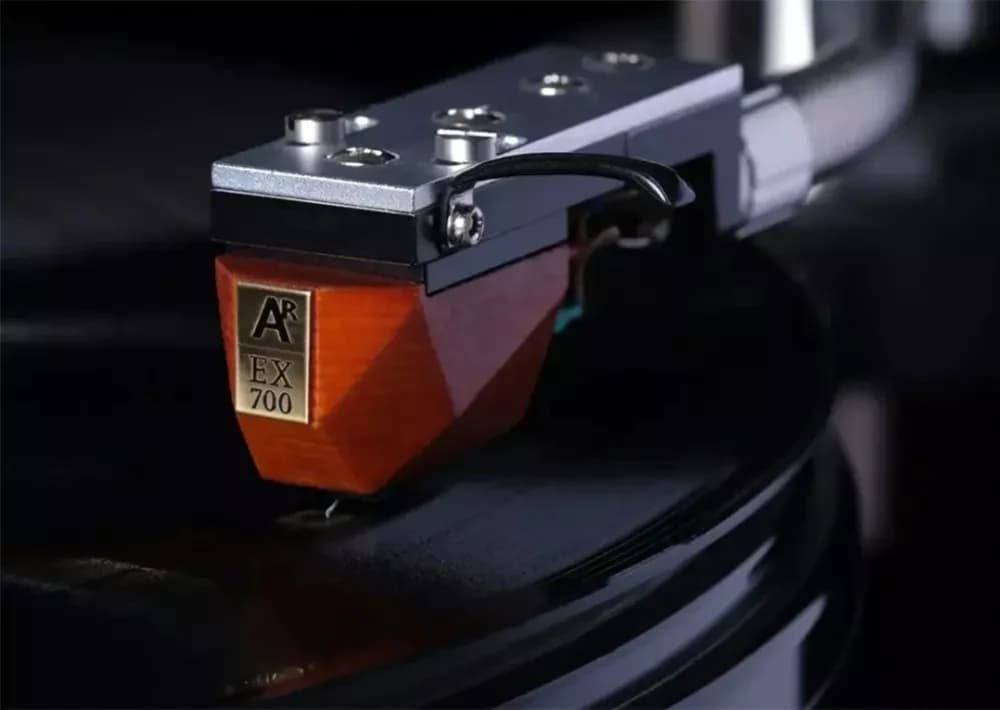
Analog Relax EX700 is a Japanese moving-coil (MC) cartridge inspired by classical instruments, targeting ultra-high-end vinyl playback.
The body is carved from South Tyrol spruce, the same wood associated with Stradivari violins, emphasizing musical resonance and natural tonality.
EX700 features a violin-style oil varnish finish, applied in thin layers using recipes inspired by 16th–17th century instrument craftsmanship.
What stands out in the EX700 is not the material choice itself, but how the mechanical system is tuned around it. A wooden enclosure behaves very differently from metal or synthetic composites commonly used in MC designs: internal damping is higher, but resonant modes are broader and less sharply defined. That has implications for energy storage and release at the generator level, especially in the upper midrange where many cartridges sound “etched.” Analog Relax appears to be leaning into controlled dissipation rather than brute rigidity, suggesting a voicing philosophy closer to classical instrument acoustics than to lab-grade neutrality. From a tonearm-matching perspective, this usually points to a cartridge that favors stable, medium-to-high mass arms where micro-resonances are less likely to be excited.
The generator architecture also hints at a deliberate balance between speed and density rather than chasing extreme output or minimal moving mass at any cost. A multi-field magnetic layout typically prioritizes flux symmetry and linearity, which can reduce modulation noise during complex passages and maintain image stability under high groove acceleration. Paired with a finely profiled stylus geometry, the design focus seems less about extracting maximum detail at the surface and more about preserving harmonic structure deeper in the groove, where timing and decay cues live. In audiophile terms, this usually translates into a presentation that favors flow and coherence over spotlight resolution.
Different sources frame the EX700 either as a romantic statement piece or as a technically serious transducer with unusual materials. The more interesting interpretation sits between those extremes. Traditional finishes and organic housings are not inherently nostalgic if they are used as functional elements of resonance control. In that sense, the EX700 reads less like an homage and more like a refusal to follow the dominant CNC-metal paradigm. For listeners accustomed to ultra-stiff, hyper-analytical MC cartridges, this approach suggests an alternative path—one where mechanical behavior is shaped to support long-term musical immersion rather than short-term sonic fireworks.
Newsletter
Get the week's top trending stories, best deals, and new product launches — straight to your inbox.

* Matrix Audio enters the LAN filtering market with the SI-1 Audio Grade Network Isolator, targeting high-end audiophiles seeking cleaner digital audio playbac…

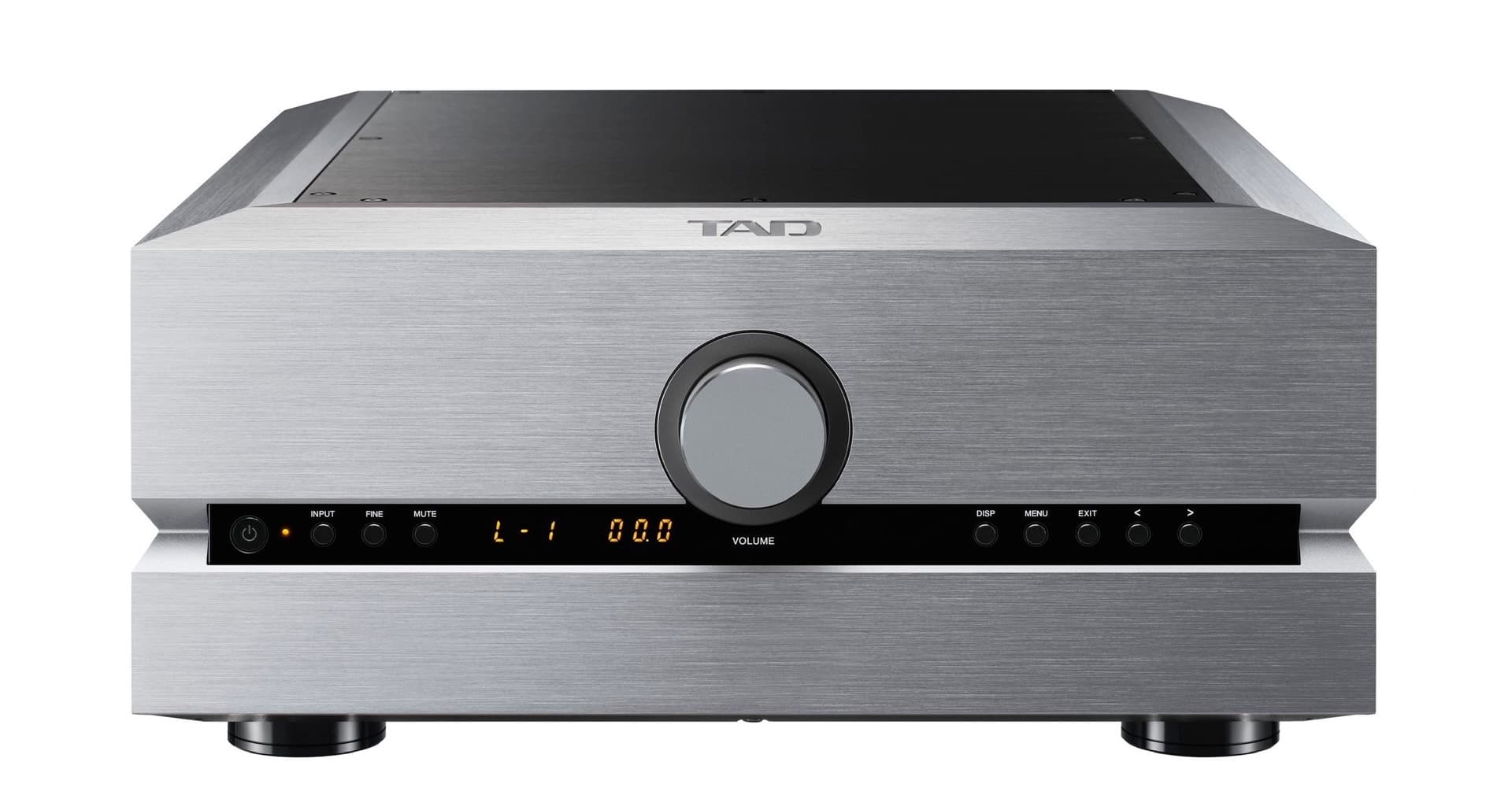
* TAD introduces its first-ever integrated amplifier, the A1000, merging separate preamp and power-amp technologies into a compact Evolution Series component p…

* Analog Relax EX700 is a Japanese moving-coil (MC) cartridge inspired by classical instruments, targeting ultra-high-end vinyl playback.

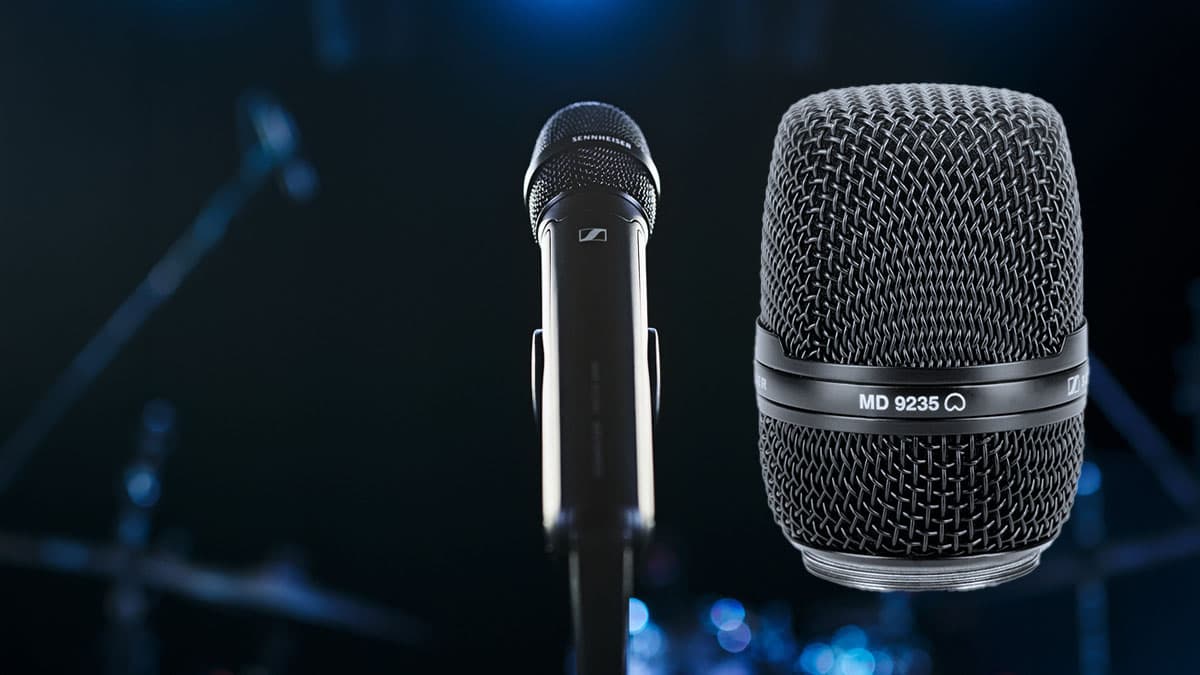
* Sennheiser announces a fresh production run of the MD 9235 cardioid microphone head, reviving a long-requested favorite among touring engineers, rental compa…