Get the weekly hi-fi digest — new gear, best reads, and deals.

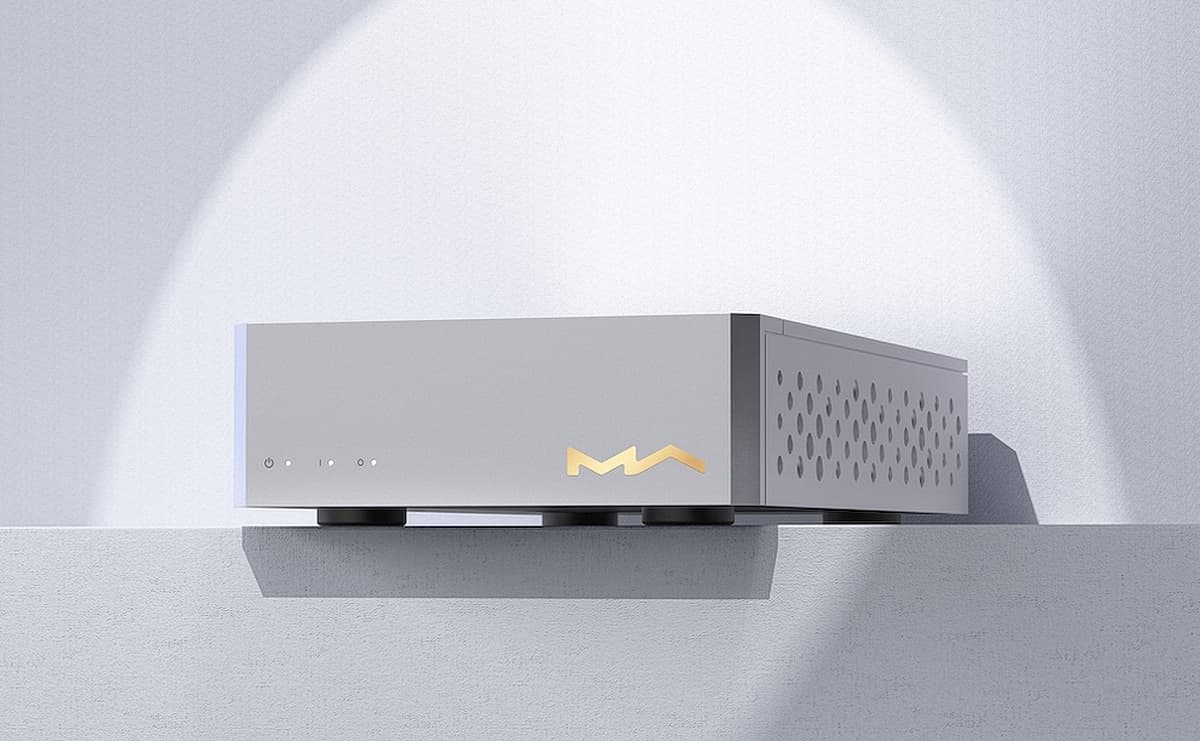
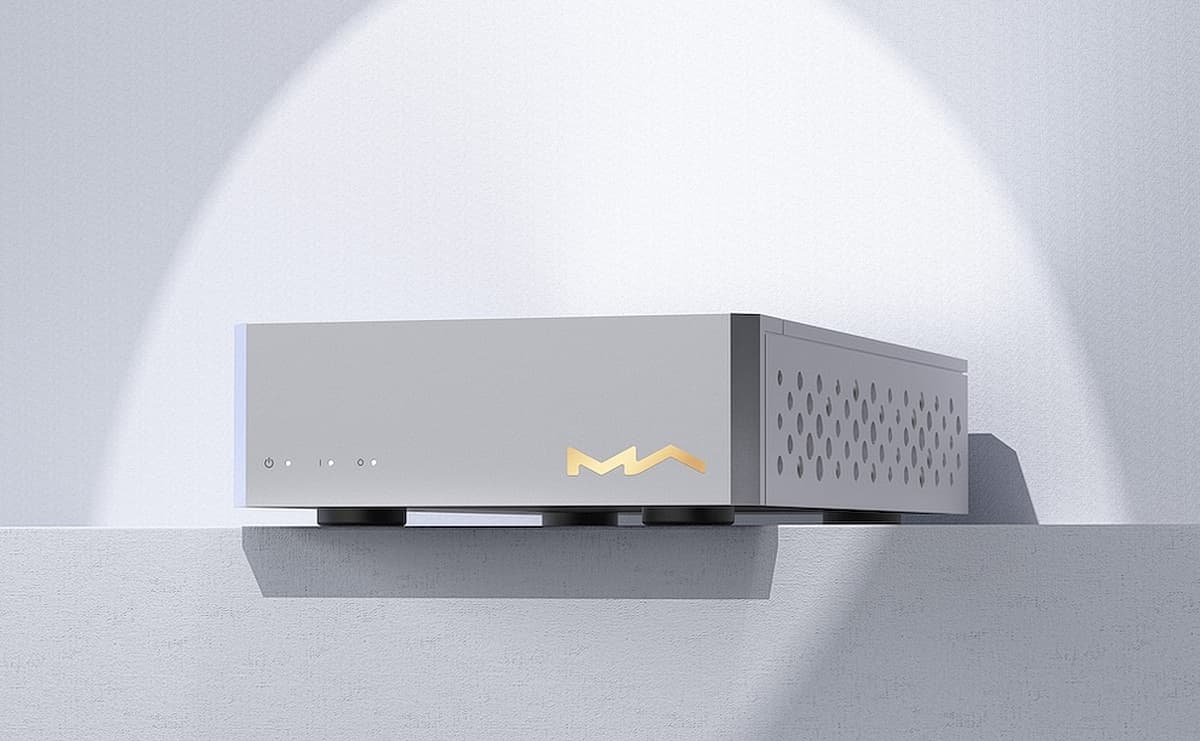
Matrix Audio enters the LAN filtering market with the SI-1 Audio Grade Network Isolator, targeting high-end audiophiles seeking cleaner digital audio playback.
The SI-1 addresses network-induced audio degradation, including EMI, ground loops, transmission noise, and jitter, creating a stable, low-noise digital environment.
Active optical-electrical isolation technology is used to preserve signal integrity and minimize transmission errors in Ethernet-based Hi‑Fi systems.
Matrix Audio’s move into LAN conditioning mirrors a broader shift among digital‑focused manufacturers who no longer treat Ethernet as a purely data‑agnostic conduit. Where some competitors rely on passive magnetics or simple galvanic breaks, SI‑1’s architecture leans toward an active approach that treats the network link as a timing‑sensitive subsystem rather than a neutral pipe. This reflects a philosophy familiar from Matrix Audio’s streamers and DACs: control the clock domain as close as possible to the point where noise can modulate downstream conversion stages. In practice, the isolator is positioned as a boundary device, redefining where the “clean” audio network begins, rather than as a generic IT accessory repurposed for hi‑fi.

From a technical perspective, the emphasis on optical‑electrical conversion suggests an attempt to decouple not only ground reference issues but also high‑frequency noise riding on Ethernet PHYs—an area where passive isolation often reaches its limits. Active regeneration allows the outgoing signal to be reclocked and reshaped, theoretically reducing packet timing variability before it ever reaches a streamer or network bridge. This approach contrasts with purist arguments that packet timing should be irrelevant at the application layer; instead, SI‑1 aligns with the camp that views cumulative noise and phase instability as contributors to subtle but system‑dependent sonic artifacts, especially in resolving systems with revealing DAC input stages.
Equally telling is how Matrix Audio frames deployment flexibility. Rather than prescribing a single “correct” insertion point, the design accommodates different network topologies, acknowledging that modern audio systems often blend consumer routers, dedicated switches, and Ethernet‑enabled source components. This pragmatic stance avoids dogma and recognizes that the audible outcome of network isolation is highly context‑driven, shaped by the quality of upstream power supplies, switch-mode noise, and the sensitivity of connected digital hardware. In that sense, SI‑1 is less about chasing a universal fix and more about giving system builders another tool to manage complexity in increasingly network‑centric hi‑fi chains.
Newsletter
Get the week's top trending stories, best deals, and new product launches — straight to your inbox.

* TEAC announced a limited-edition TN-400BT-X/TB turntable featuring a glossy turquoise-blue finish, blending vintage analog design with modern wireless conven…

* Matrix Audio enters the LAN filtering market with the SI-1 Audio Grade Network Isolator, targeting high-end audiophiles seeking cleaner digital audio playbac…

* TAD introduces its first-ever integrated amplifier, the A1000, merging separate preamp and power-amp technologies into a compact Evolution Series component p…

* Analog Relax EX700 is a Japanese moving-coil (MC) cartridge inspired by classical instruments, targeting ultra-high-end vinyl playback.