Get the weekly hi-fi digest — new gear, best reads, and deals.

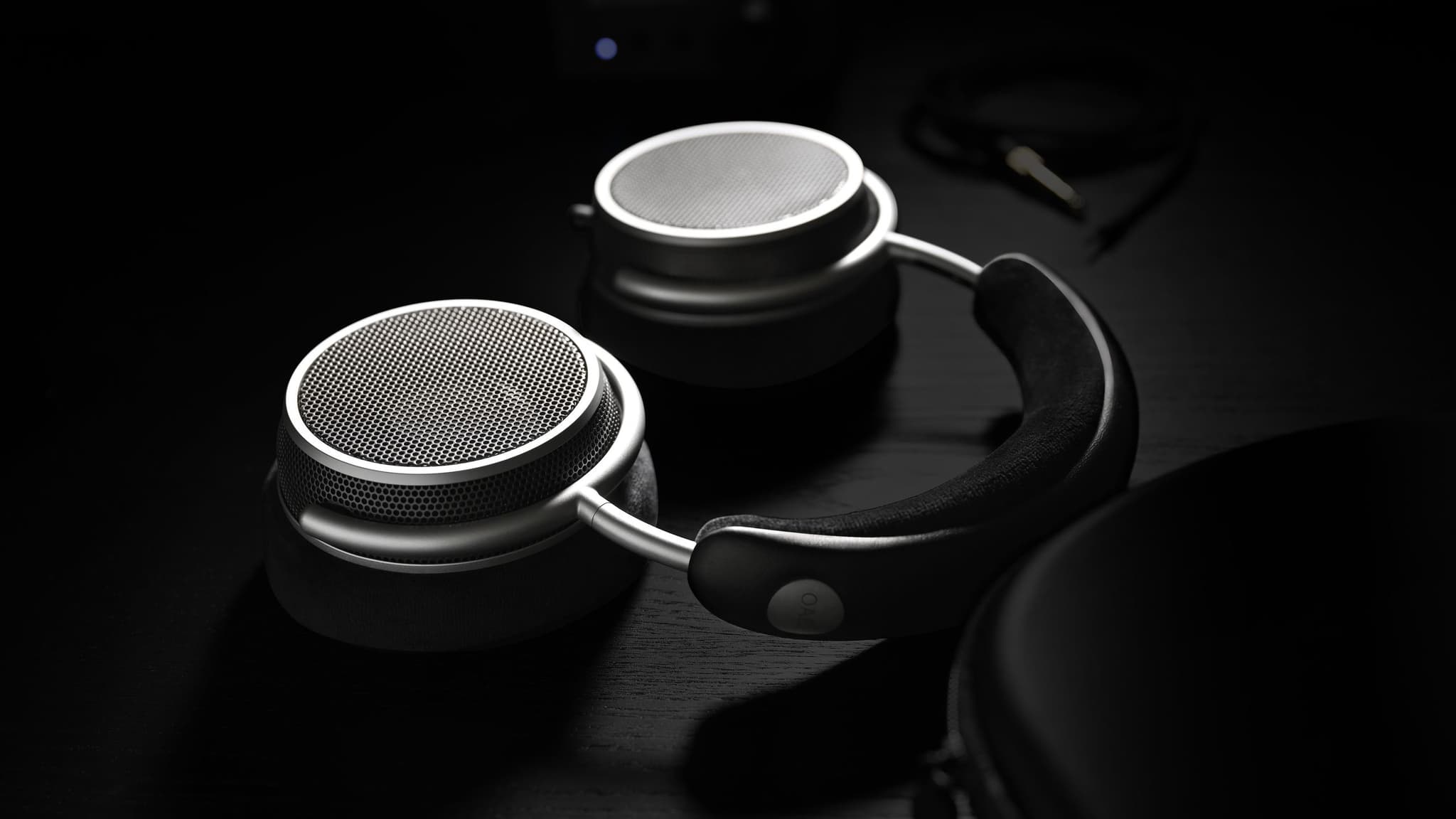
Grell Audio OAE2 headphones leverage a unique acoustic design that directs sound around the ear, activating natural spatial localisation without relying on artificial DSP effects.
Instead of firing directly into the ear canal, the OAE2 works with ear anatomy to create speaker-like spatial audio, aiming for more realistic, fatigue-free long listening sessions.
German-engineered build emphasizes longevity, featuring a modular, fully replaceable metal frame and 40mm dynamic drivers using a bio-cellulose membrane.
The OAE2’s core idea leans on psychoacoustics rather than signal processing, borrowing more from loudspeaker theory than from contemporary headphone DSP trends. By offsetting the driver’s acoustic axis relative to the ear canal, Grell is effectively exploiting the pinna’s natural filtering and time-delay cues, allowing interaural differences to form without algorithmic intervention. This stands in contrast to the prevailing school of thought that spatial realism in headphones must be “added back” electronically. From a technical standpoint, the approach suggests a deliberate acceptance of individual anatomical variance, betting that biological localisation mechanisms will outweigh the consistency benefits of DSP-based spatialisation.
Industrial design tells a parallel story. The exposed, almost skeletal earcup structure is not merely aesthetic; it hints at controlled airflow and reduced internal reflections, a topic often debated in audiophile circles when discussing transient smear and perceived openness. Where many premium headphones prioritise sealed elegance, the OAE2 appears to prioritise mechanical honesty and predictability of acoustic behaviour. That philosophy aligns with a broader German engineering tradition that values system-level coherence over surface polish, even if it means embracing visual austerity.
Perspectives diverge when considering long-term listening implications. Advocates of DSP-driven spatial audio argue for adaptability and tunability across recordings, while Grell’s approach implicitly trusts the recording’s own spatial cues and the listener’s neurology to do the rest. Technically, this positions the OAE2 closer to purist, source-faithful playback chains, where amplification quality and recording geometry matter more than post-processing. Whether that restraint is refreshing or restrictive will depend on how much control listeners expect their headphones to exert over the soundstage.
Newsletter
Get the week's top trending stories, best deals, and new product launches — straight to your inbox.

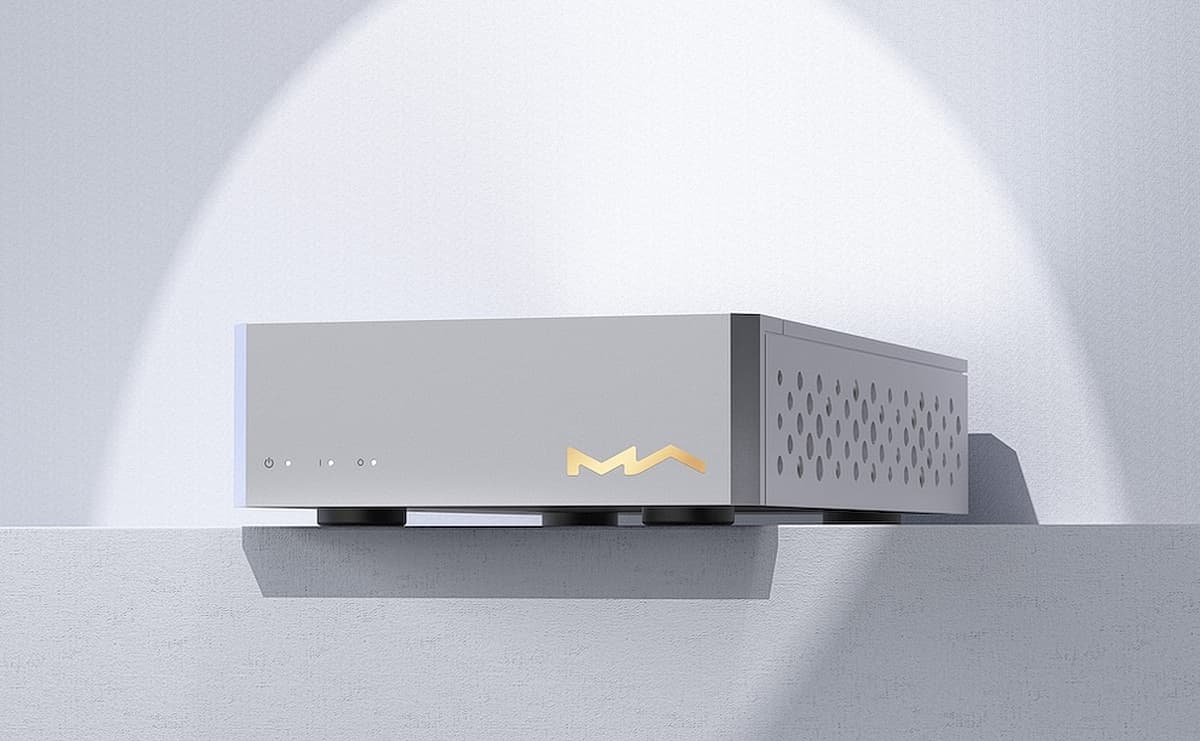
* Matrix Audio enters the LAN filtering market with the SI-1 Audio Grade Network Isolator, targeting high-end audiophiles seeking cleaner digital audio playbac…

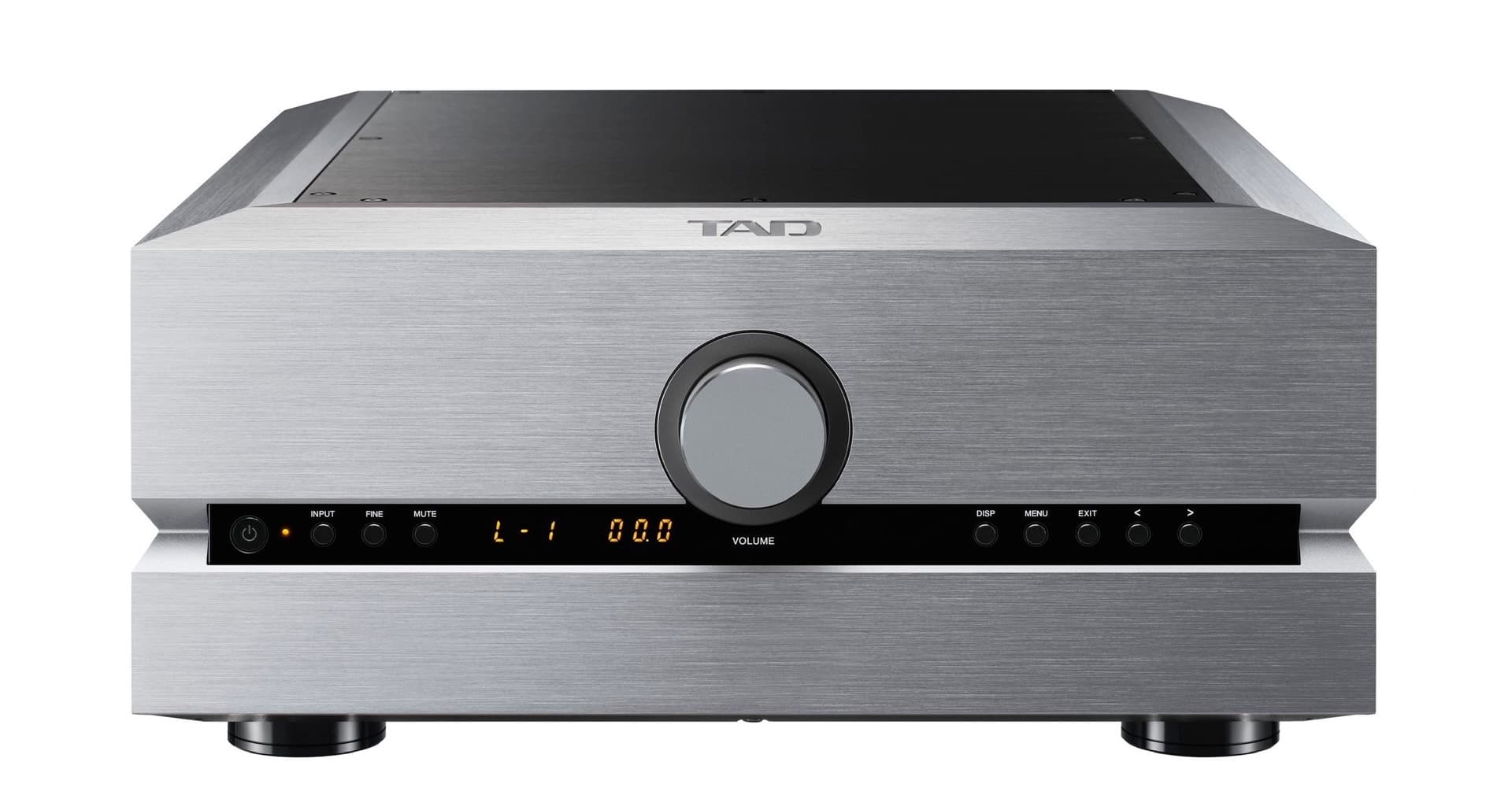
* TAD introduces its first-ever integrated amplifier, the A1000, merging separate preamp and power-amp technologies into a compact Evolution Series component p…

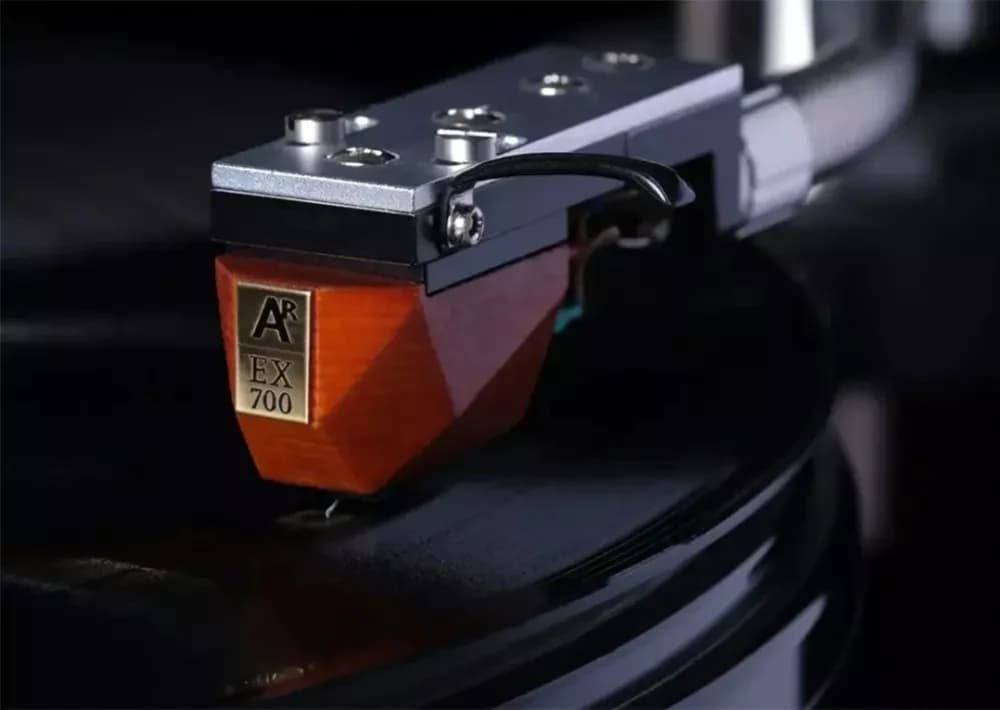
* Analog Relax EX700 is a Japanese moving-coil (MC) cartridge inspired by classical instruments, targeting ultra-high-end vinyl playback.

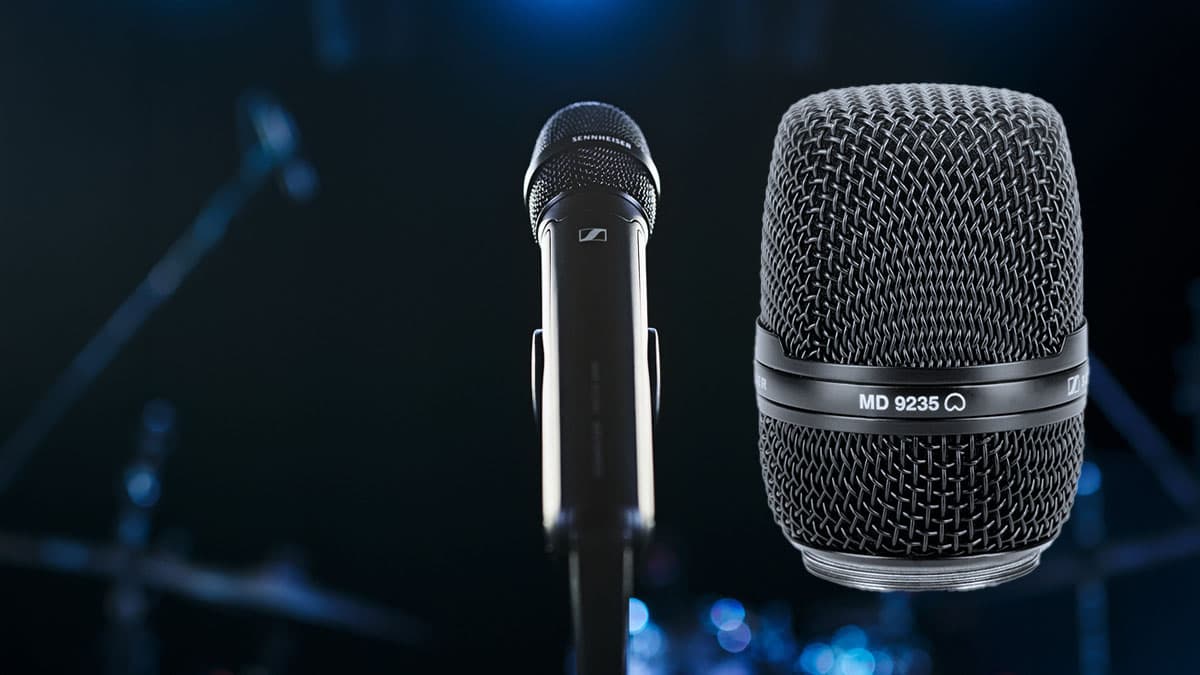
* Sennheiser announces a fresh production run of the MD 9235 cardioid microphone head, reviving a long-requested favorite among touring engineers, rental compa…