Get the weekly hi-fi digest — new gear, best reads, and deals.

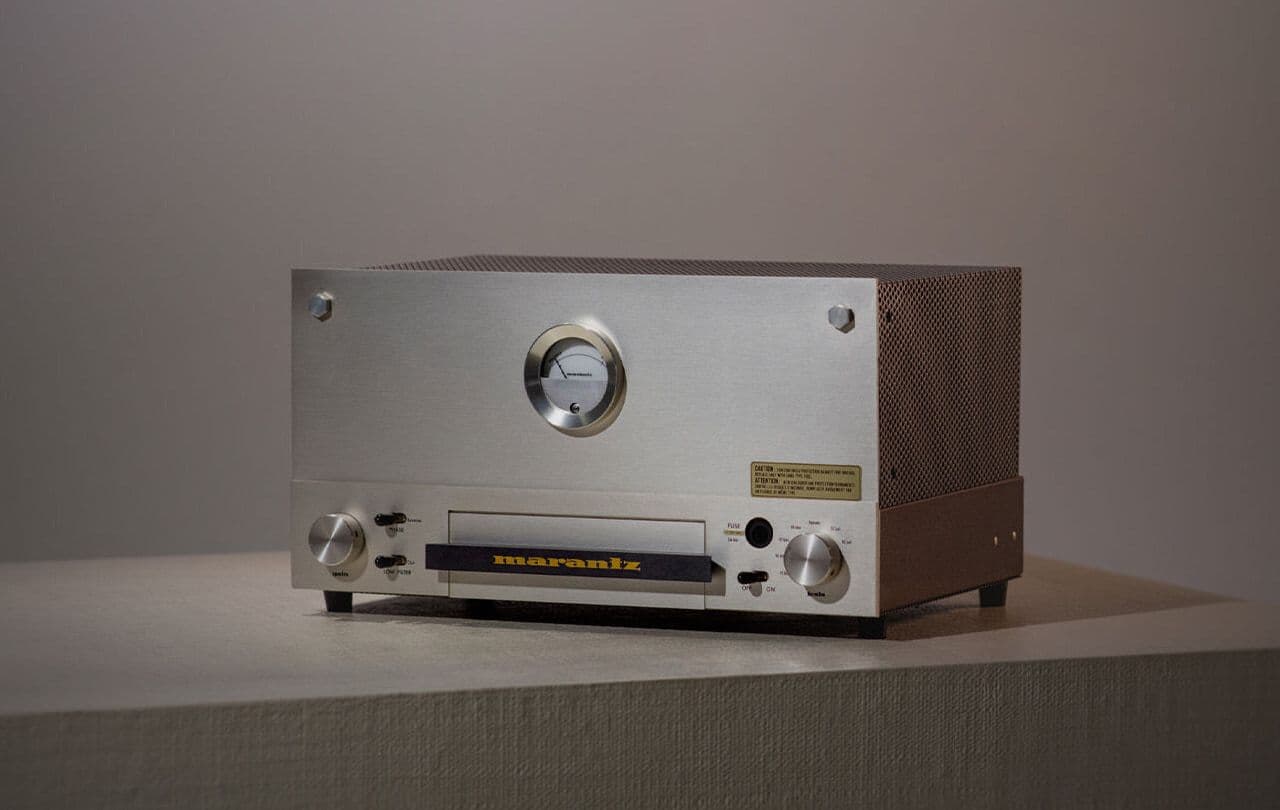
Marantz introduces a tiered A/V separates lineup—AV10/20/30 processors and AMP10/20/30 amplifiers—supporting scalable, mix-and-match home theater systems up to 9.4.6 Dolby Atmos.
New AV30 and AMP30 models form the most accessible entry point, offering 11.4-channel processing, six-channel amplification, and reference-grade performance within refined, modern industrial design.
All Marantz A/V separates are engineered and built in Japan at Shirakawa Audio Works, individually certified by Sound Master Yoshinori Ogata for tuning accuracy and consistency.
What stands out in this generation of Marantz separates is not raw channel arithmetic but how deliberately the platform treats signal integrity as systems scale. The processors share a common digital architecture and DAC topology, which keeps tonal balance and transient behavior consistent whether the system stops at an entry configuration or expands into a fully articulated immersive layout. This is where the HDAM-based analog stages matter more than marketing bullet points: faster slew rates and higher current capability preserve microdynamics even as room correction, bass management, and multiple subwoofer summing are layered on top. In practice, this addresses a long‑standing audiophile complaint about large Atmos systems sounding spatially impressive but harmonically flattened.

There is also a notable philosophical shift compared to the “statement rack” era of high-end theater. Instead of chasing visual dominance or exotic chassis excess, Marantz leans into symmetry, grounding, and noise control as functional design choices. The modular amplifier strategy—multiple identical power blocks rather than a single massive multichannel behemoth—keeps thermal behavior predictable and crosstalk low under real-world loads. Forum discussions often fixate on Class D versus Class A/B, but here the more interesting detail is how Marantz stabilizes output stages with discrete analog buffering, giving these amplifiers a density and grip that avoids the brittle edge some associate with high-power multichannel designs.
From a system-planning perspective, the lineup reflects an understanding that modern theaters are never finished. Independent subwoofer routing, advanced room optimization compatibility, and full-bandwidth video pass-through are less about spec chasing and more about longevity as formats and displays evolve. Competing interpretations frame this as “luxury minimalism,” but technically it is closer to disciplined engineering restraint—prioritizing clock stability, power supply isolation, and predictable gain structure over novelty features. The result is a separates ecosystem that feels closer to a scaled hi‑fi system than a traditional AVR replacement, appealing to listeners who care as much about coherence and texture as they do about immersion.
New gear, best reads, and deals — every Friday.

* Duran Duran’s 1993 ‘The Wedding Album’ and 1995 ‘Thank You’ are reissued on vinyl for the first time since original 1990s pressings.

* beyerdynamic launched its flagship wireless over-ear headphones AVENTHO 200 on February 13, priced at ¥47,850, available in Black and Nordic Grey color optio…

* Revival Audio, founded in 2021 in Alsace, launches the Atalante Grande Réserve, a flagship, limited to 300 pairs and distributed in Germany by B&T HiFi.

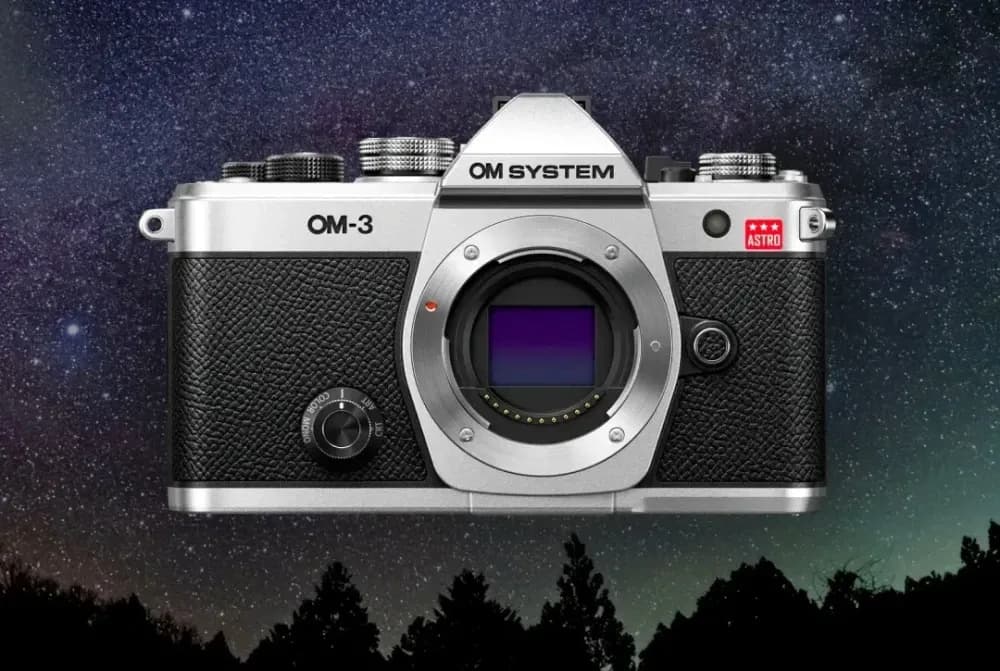
* OM System announces OM‑3 Astro, a specialized mirrorless camera for astrophotography, launching March 2026 at $2,500—$500 more than the standard OM‑3.