Get the weekly hi-fi digest — new gear, best reads, and deals.

Nothing launches its second over-ear model, Headphone (a), as a budget-focused alternative to Headphone (1) with a €159 MSRP, targeting the midrange market.
Headphone (a) uses 40 mm titanium-coated drivers, drops the KEF tuning partnership, yet adds premium features like Spatial Audio and Sony’s LDAC codec.
Battery life stands out with up to 75 hours with ANC enabled and 135 hours without ANC, surpassing rivals like the Marshall Monitor III A.N.C.
Nothing’s second over-ear reads less like a stripped-down sequel and more like a recalibration of priorities. Dropping the external tuning partner signals a shift toward an in-house voicing that appears aimed at broad compatibility rather than brand-specific flair. In audiophile terms, this often translates to a safer target curve with controlled upper mids and a bass shelf that avoids stepping on vocal presence. The move away from metal-heavy construction also changes the resonance profile of the chassis: lighter composites tend to damp less predictably, but Nothing counters this with a noticeably stiffer headband assembly, which should reduce micro-rattles and mechanical coloration at higher SPLs compared to the ultra-light competitors in the same bracket.

From a wireless standpoint, the inclusion of a high-bitrate Bluetooth option is more than a checkbox feature. Its real value lies in preserving transient detail and spatial cues when paired with compatible Android sources, narrowing the perceptual gap between compressed wireless playback and entry-level wired listening. That ties neatly into the software side: Spatial Audio here is clearly algorithmic rather than sensor-driven, suggesting a fixed HRTF approach. Purists may scoff, but when implemented conservatively, this kind of processing can subtly widen the stage without smearing center image—useful for long listening sessions rather than cinematic gimmicks.
Where opinions diverge across coverage is in how this model positions itself against stalwarts from Sony and Sennheiser. Those brands lean heavily on weight savings and proven ANC algorithms, sometimes at the expense of tactile quality and interface clarity. Nothing takes the opposite route, favoring physical controls and a denser feel that echoes older studio-oriented designs. It’s a philosophical split: maximum comfort-through-lightness versus confidence-through-hardware. For listeners who value predictable ergonomics and a tuning that doesn’t chase extremes, Nothing’s approach feels less like a compromise and more like a deliberate alternative within the midrange landscape.
Newsletter
Get the week's top trending stories, best deals, and new product launches — straight to your inbox.

* Fraunhofer IIS and Airoha unveiled a multichannel spatial audio reference system at MWC 2026, targeting next-generation wireless headsets, XR devices, and pr…

HiFi.De
* Nothing launches its second over-ear model, Headphone (a), as a budget-focused alternative to Headphone (1) with a €159 MSRP, targeting the midrange market.

* Qobuz announced a proprietary AI detection system to identify and tag 100% AI-generated tracks across new releases and its entire existing catalog.

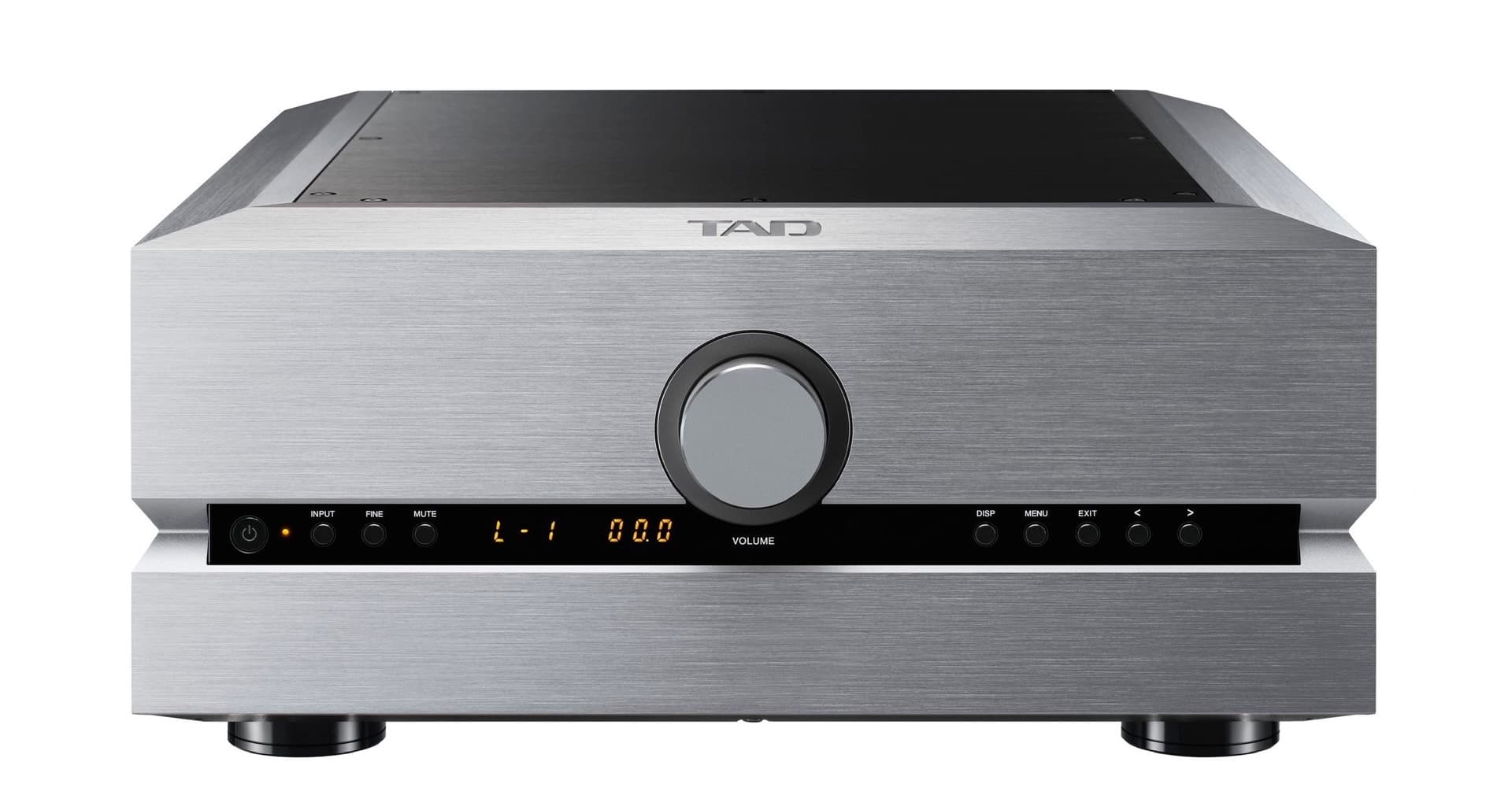
* TAD introduces its first-ever integrated amplifier, the A1000, merging separate preamp and power-amp technologies into a compact Evolution Series component p…