Get the weekly hi-fi digest — new gear, best reads, and deals.

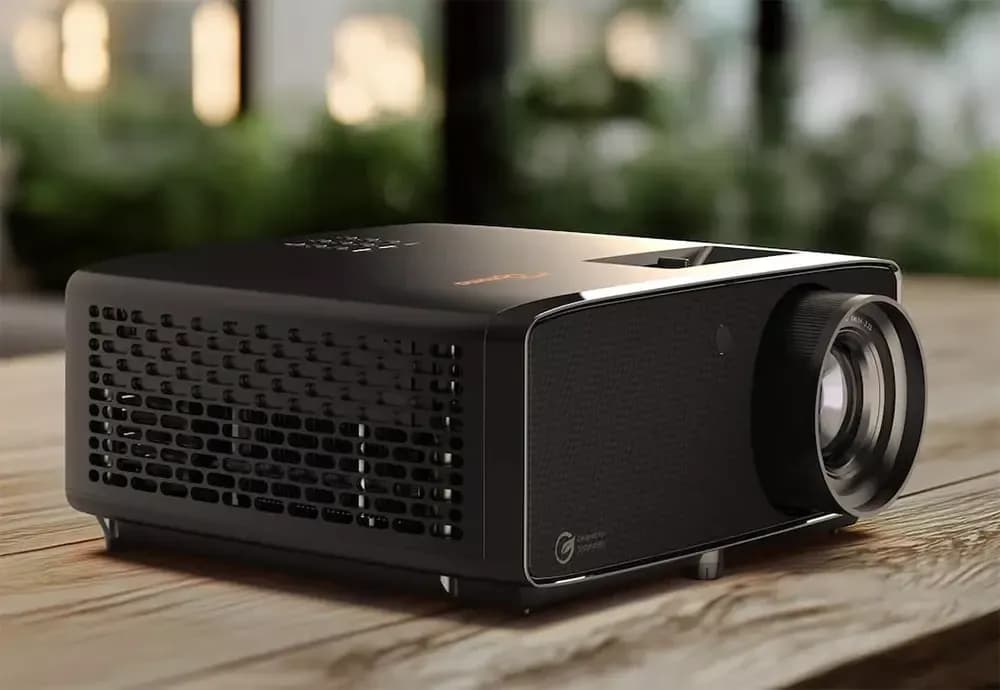
Optoma UHZ36 expands the brand’s 4K laser projector lineup, targeting budget-conscious home users needing bright, versatile performance without fully darkened rooms.
Rated at 3,500 lumens, the compact UHZ36 suits daylight viewing and everyday use, building on UHZ35 and UHD35x design concepts.
Uses a 0.47-inch 1080p Texas Instruments DLP DMD with 240Hz pixel-shifting, delivering UHD 4K-class images from approximately 2.1 million mirrors.
Optoma’s approach with the UHZ36 underlines a familiar DLP philosophy: extracting maximum perceived resolution and stability from a compact optical engine rather than chasing native panel counts. The 0.47-inch TI DMD remains a pragmatic choice, not because it rivals true 4K imagers on a pixel-for-pixel basis, but because its high-speed actuation keeps temporal artifacts below the visibility threshold at normal seating distances. In practice, this means edge definition and fine geometry benefit more from mirror response speed and fill-factor consistency than from raw pixel math. Compared with older lamp-based siblings, the laser-driven light path also changes the noise floor of the image itself—less luminance drift over time translates into a picture that ages predictably, a quality often overlooked outside enthusiast circles.

Where opinions diverge across sources is the balance between motion processing and cinematic intent. Optoma’s inclusion of both Filmmaker Mode and its Pure Engine stack suggests an acknowledgement that not all content should be treated equally. MEMC can bring welcome clarity to broadcast sports or fast-cut streaming material, yet the ability to fully disengage interpolation is crucial for film purists who value cadence integrity over hyper-smooth motion. This dual-path processing philosophy mirrors debates long familiar to audio enthusiasts: transparency versus enhancement. The UHZ36 doesn’t force a house sound; it provides a toolkit and lets the user decide how far down the processing chain to go.
From a system-integration perspective, the sealed optical block and solid-state light source make the projector feel less like a consumable device and more like a fixed component—closer in spirit to an AVR than a traditional projector. Dust ingress and lamp decay have historically been the silent degraders of long-term image quality; removing those variables shifts attention back to calibration and source quality. In that sense, the UHZ36 reads as a rational evolution of Optoma’s midrange strategy: fewer mechanical compromises, more predictable performance over time, and a technical profile that aligns well with mixed-use home setups rather than dedicated black-box theaters.
New gear, best reads, and deals — every Friday.

* Duran Duran’s 1993 ‘The Wedding Album’ and 1995 ‘Thank You’ are reissued on vinyl for the first time since original 1990s pressings.

* Queen will release a 5CD+2LP super deluxe Queen II box set on 27 March 2026 via EMI, expanding the original 1974 album extensively.

* Harman International launches three JBL Quantum gaming headsets on February 26: Quantum 950 WIRELESS, 650 WIRELESS, and 250, priced at ¥55,000, ¥22,000, and…

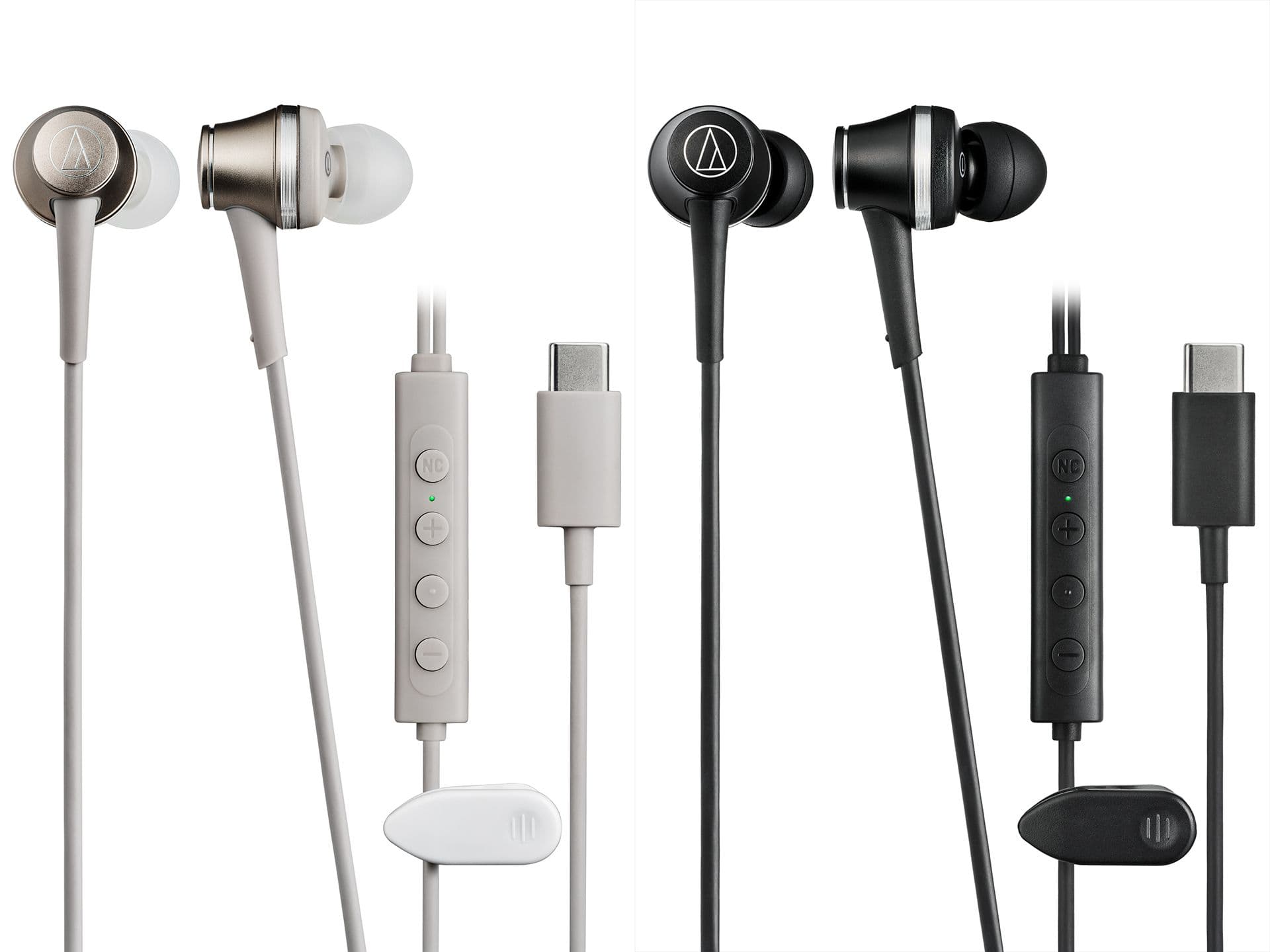
* Audio-Technica launches the ATH-CKD7NC USB-C wired earphones on February 27, featuring hybrid noise cancelling and priced at ¥9,680 via direct sales.