Get the weekly hi-fi digest — new gear, best reads, and deals.

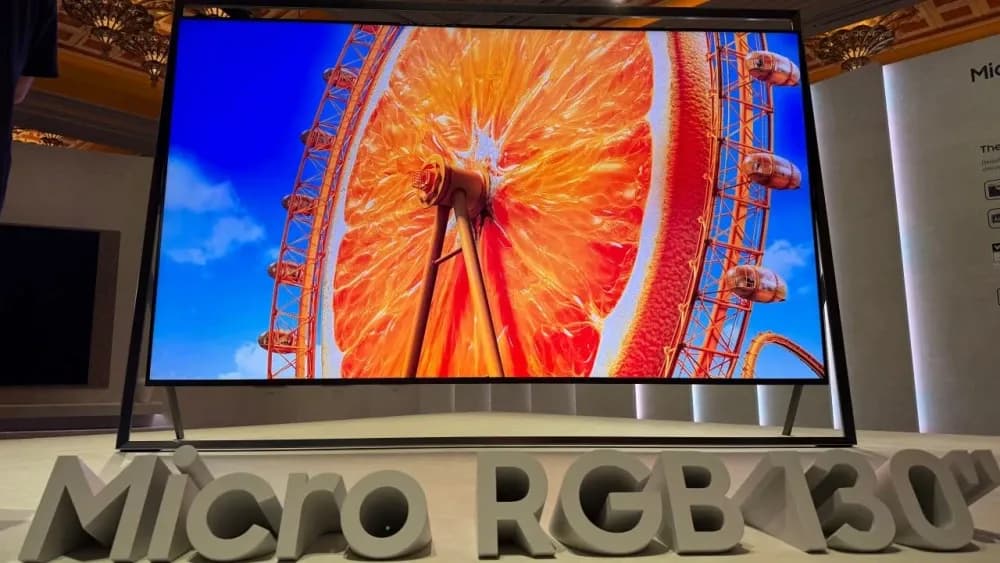
Samsung is rumored to commercialize the world’s first 130-inch RGB LCD TV, previously shown as a CES 2026 concept, signaling an ambitious leap in ultra-large display technology.
Counterpoint Research estimates 130-inch LCD panel production costs are nearly 50% higher than 115-inch panels, despite only a 27% increase in screen area.
Using the Hisense 116UX ($29,999 launch price) as a benchmark, analysts project a 130-inch TV could retail for approximately $40,000–$45,000.
What really drives the jump at 130 inches isn’t just diagonal bragging rights, but the physics of manufacturing at that scale. An RGB LCD architecture implies separate red, green, and blue sub‑pixel control rather than relying as heavily on color filters, which raises demands on alignment accuracy and uniformity. At panel sizes north of 3 meters across, even microscopic variance in cell gap or backlight diffusion becomes visible as banding or color shift. Yield loss is the silent killer here: fewer “perfect” sheets per glass substrate means every successful panel has to amortize the cost of the failures, and that math gets ugly fast once you exceed the tooling comfort zone designed around 110–120 inches.

There’s also a less obvious systems angle. Ultra‑large LCDs don’t scale linearly in power delivery, thermal management, or signal processing. Driving millions of pixels with consistent gamma and near‑black stability requires a far beefier video pipeline and more aggressive local dimming algorithms, which in turn demand higher backlight zone counts and tighter synchronization. For audiophiles used to separating display and sound, the integrated audio approach is noteworthy: stuffing multiple low‑frequency drivers into the chassis isn’t about room‑shaking bass, but about maintaining tonal balance when the screen itself becomes an acoustic obstacle. The cabinet has to stay inert, or at least predictable, otherwise resonance and panel vibration start to smear dialogue and collapse soundstage coherence.
Different analysts frame these monsters differently. Market researchers tend to see them as halo products—loss leaders in everything but prestige—while engineers view them as necessary stress tests for next‑gen LCD processes. History suggests both are right: today’s extravagance often becomes tomorrow’s trickle‑down tech. But early iterations at this scale are less about living‑room practicality and more about proving that conventional LCD, when pushed hard enough, can still play in a territory many assumed was reserved for modular LED walls.
New gear, best reads, and deals — every Friday.

* Duran Duran’s 1993 ‘The Wedding Album’ and 1995 ‘Thank You’ are reissued on vinyl for the first time since original 1990s pressings.

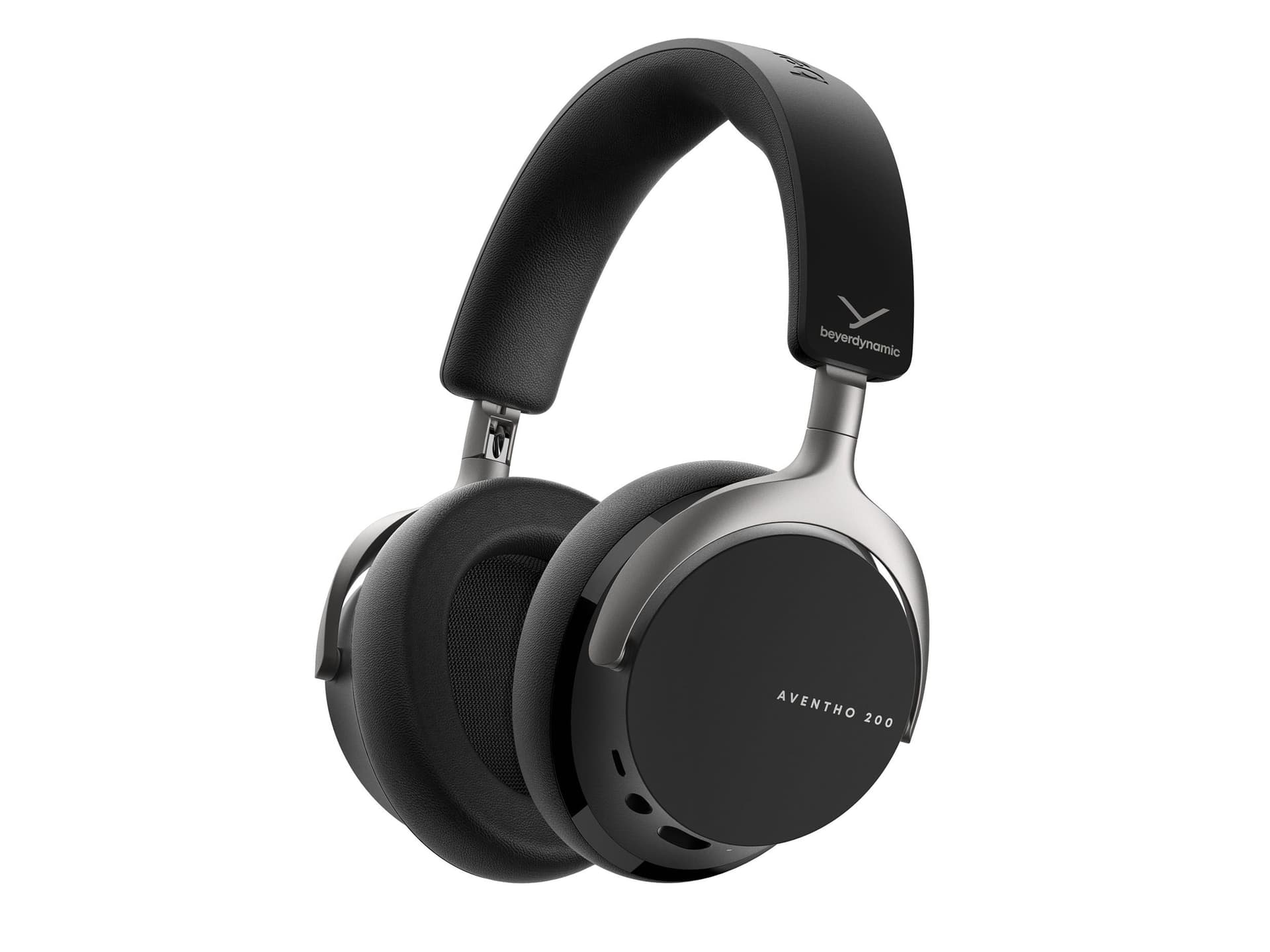
* beyerdynamic launched its flagship wireless over-ear headphones AVENTHO 200 on February 13, priced at ¥47,850, available in Black and Nordic Grey color optio…

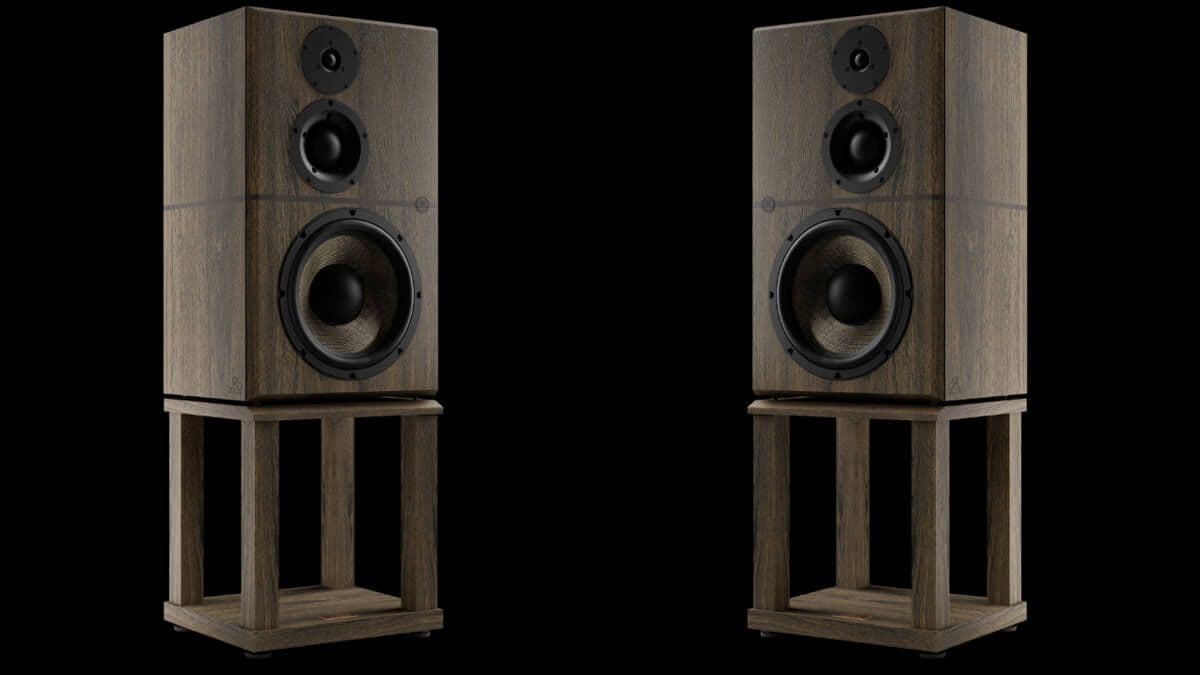
* Revival Audio, founded in 2021 in Alsace, launches the Atalante Grande Réserve, a flagship, limited to 300 pairs and distributed in Germany by B&T HiFi.

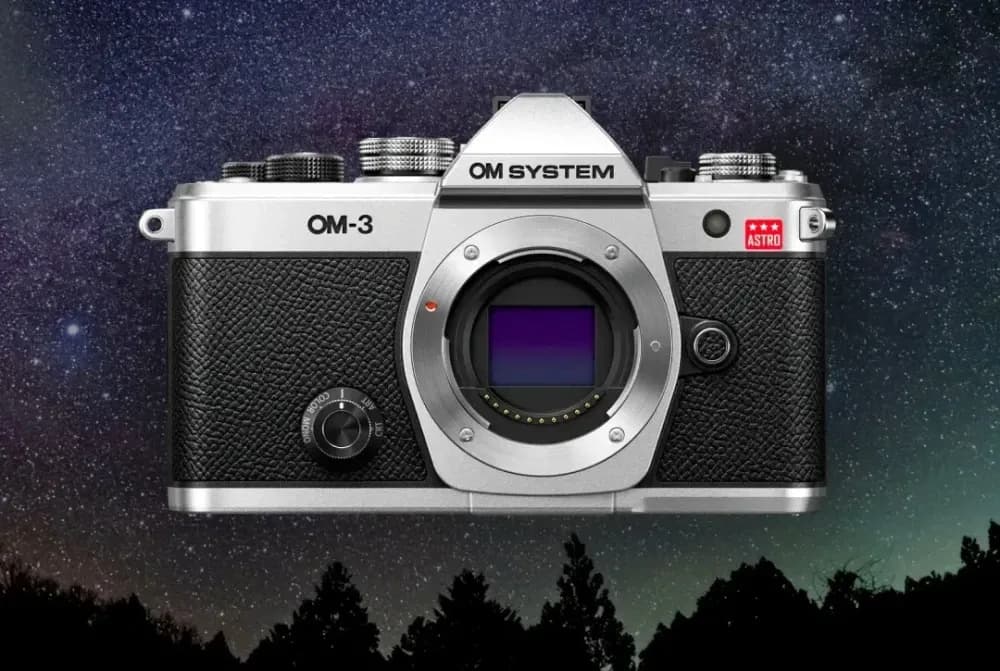
* OM System announces OM‑3 Astro, a specialized mirrorless camera for astrophotography, launching March 2026 at $2,500—$500 more than the standard OM‑3.