Get the weekly hi-fi digest — new gear, best reads, and deals.

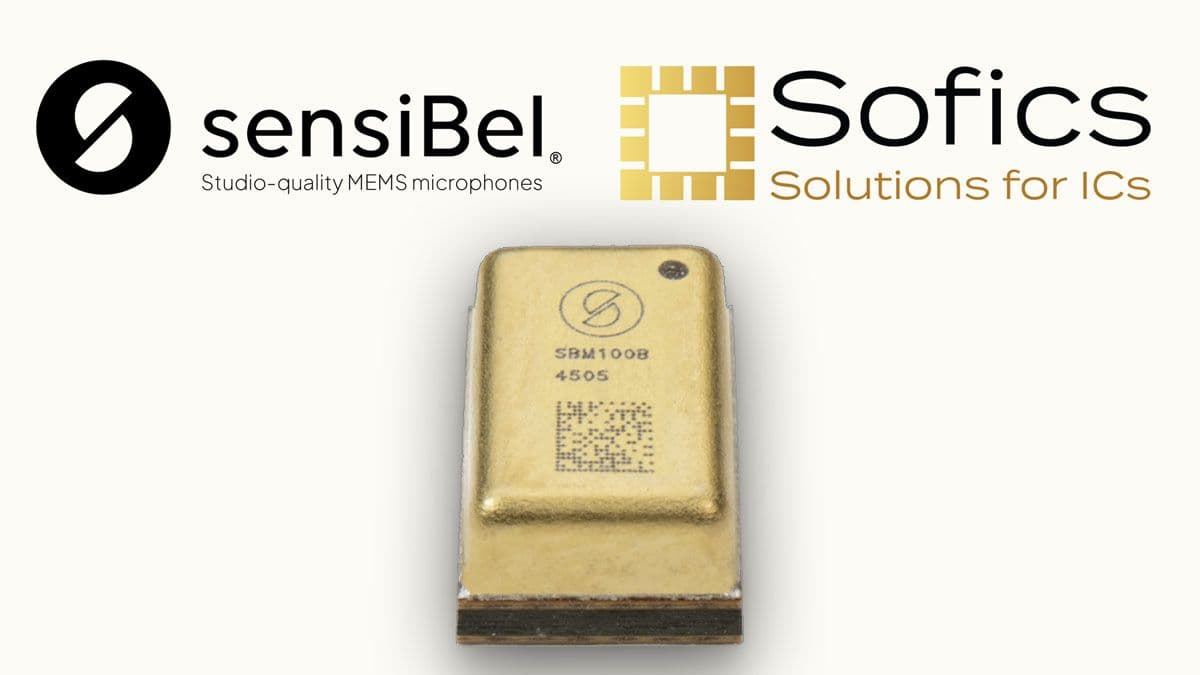
sensiBel licensed Sofics’ silicon-proven on-chip ESD protection to strengthen reliability of its SBM100B optical MEMS microphones ahead of volume production.
SBM100B combines optical MEMS IP, a silicon photonics circuit, and a digital ASIC built in standard CMOS, setting new benchmarks for MEMS microphone audio performance.
The microphone achieves 80dB SNR, 146dB SPL acoustic overload point, and 132dB dynamic range, exceeding conventional MEMS microphone capabilities.
What stands out in this licensing move is not the headline performance of the optical MEMS concept, but the less glamorous problem it quietly solves. Optical microphones blur the clean boundaries of a classic MEMS signal chain: laser drivers, photodiodes, and custom digital interfaces sit alongside standard CMOS logic, each with different tolerance to electrical stress. From sensiBel’s perspective, Sofics’ value lies in its willingness to step outside foundry-default GPIO recipes and design ESD structures that coexist with sensitive photonic elements. That matters because aggressive protection networks can inject parasitic capacitance or leakage, subtly eroding linearity and phase behavior—issues audiophiles tend to notice long before outright failure.

There is also an interesting contrast in how the two companies frame the achievement. sensiBel positions the optical MEMS architecture as a generational leap in capture realism, replacing the mechanical compromises of capacitive membranes with a light-based readout that behaves more like a reference condenser capsule scaled to silicon. Sofics, by comparison, emphasizes manufacturability: its ESD IP is about ensuring that such an exotic hybrid—laser optics, MEMS mechanics, and digital logic—survives automated assembly, shipping, and real-world handling. In other words, one narrative is about sonic ambition, the other about protecting that ambition from being dulled before it ever reaches an audio product.
For system designers and critical listeners alike, this collaboration hints at maturity rather than novelty. Optical MEMS microphones are no longer framed as lab curiosities chasing spec-sheet dominance, but as components being hardened for production realities without compromising their low-noise floor, headroom, or transient fidelity. In audiophile terms, it’s the difference between a breathtaking prototype and a device that can consistently deliver studio-grade capture without hidden fragility—an important step if optical MEMS is to move from engineering curiosity to a trusted front end in serious audio gear.
New gear, best reads, and deals — every Friday.

* Duran Duran’s 1993 ‘The Wedding Album’ and 1995 ‘Thank You’ are reissued on vinyl for the first time since original 1990s pressings.

* Queen will release a 5CD+2LP super deluxe Queen II box set on 27 March 2026 via EMI, expanding the original 1974 album extensively.

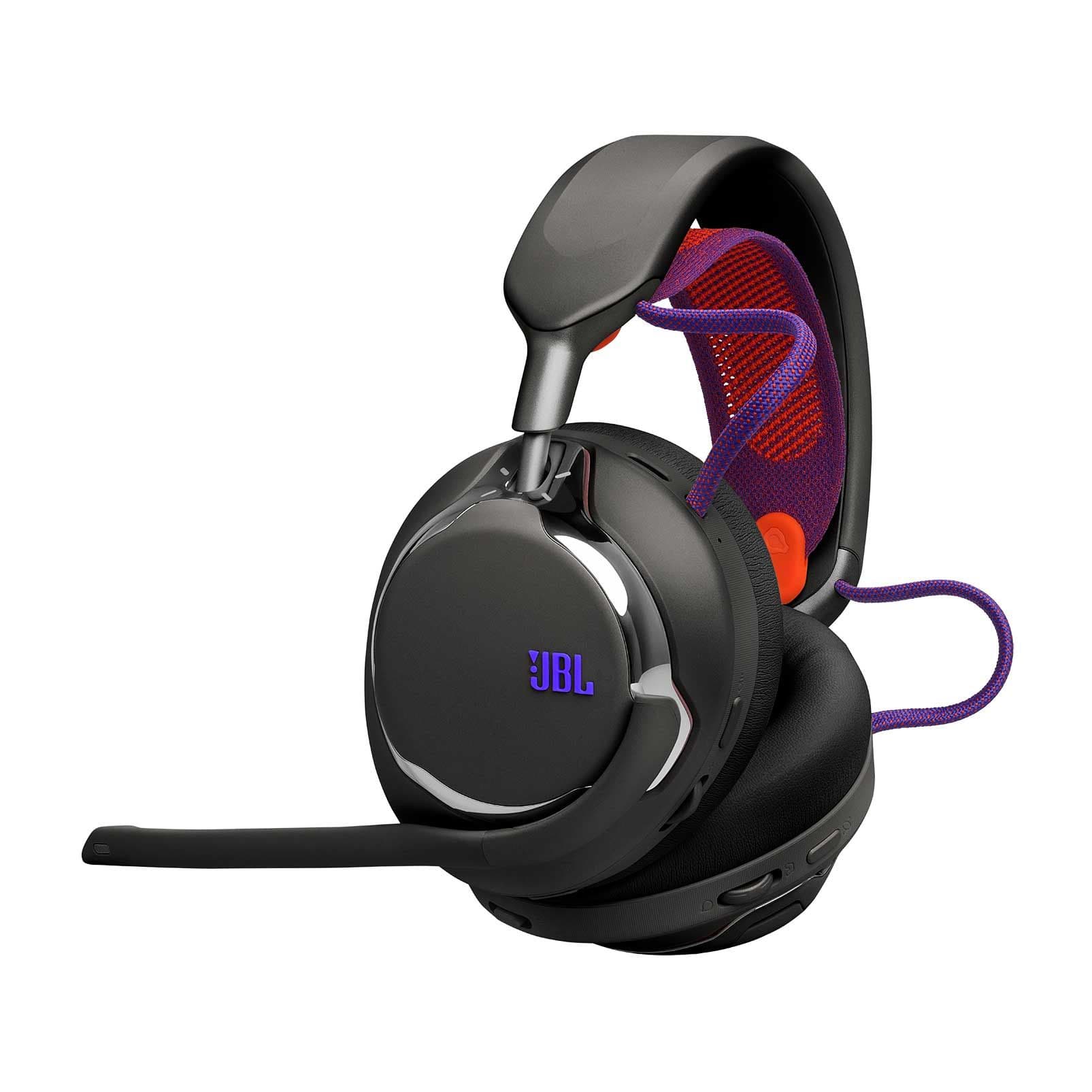
* Harman International launches three JBL Quantum gaming headsets on February 26: Quantum 950 WIRELESS, 650 WIRELESS, and 250, priced at ¥55,000, ¥22,000, and…

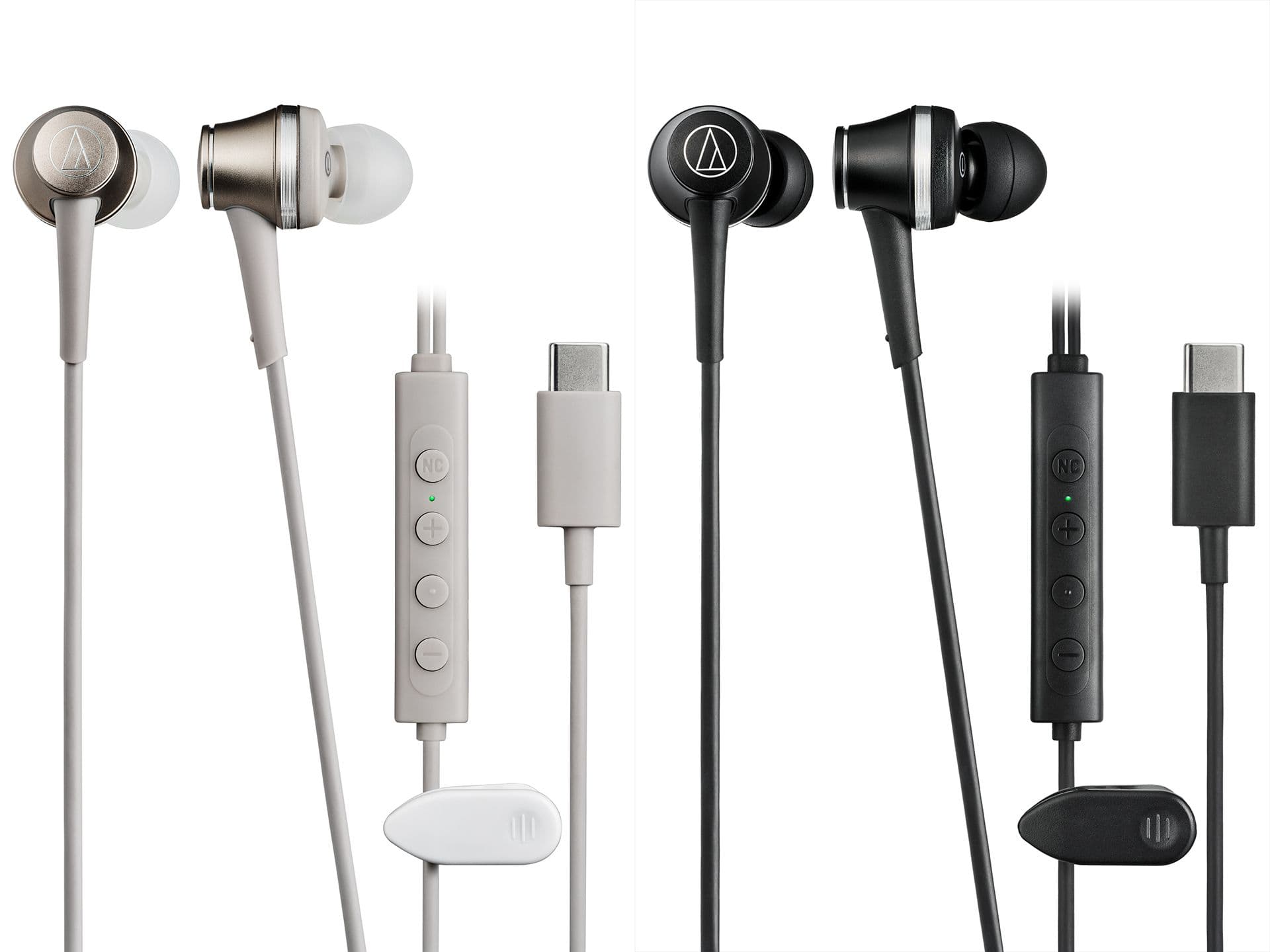
* Audio-Technica launches the ATH-CKD7NC USB-C wired earphones on February 27, featuring hybrid noise cancelling and priced at ¥9,680 via direct sales.