Get the weekly hi-fi digest — new gear, best reads, and deals.

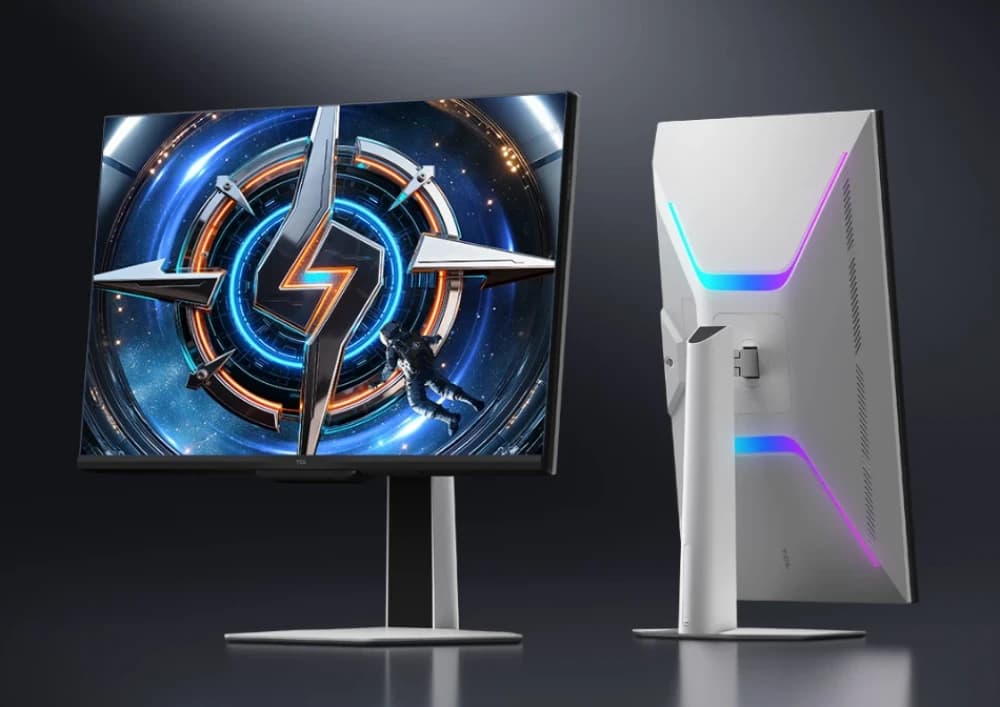
TCL unveiled the 27C3A Pro gaming monitor in China for 3,578 yuan (~$518), featuring a 27-inch 4K panel aimed at 2026 gamers.
Its dual-mode system switches between 4K 165Hz and Full HD 320Hz, letting users prioritize resolution clarity or ultra-high esports-level refresh rates.
QD‑Mini LED technology delivers 2,304 local dimming zones, 2,200-nit XDR peak brightness, HDR1400 certification, and a 22,000,000:1 dynamic contrast ratio.
What stands out in TCL’s latest Pro QD‑Mini approach is not the headline specs, but how the architecture is tuned around signal integrity and use‑case flexibility. The dual‑mode refresh system isn’t just a firmware toggle; it reflects a deliberate bandwidth management strategy that lets the panel operate in two very different pixel clock regimes without introducing chroma subsampling or compression artifacts. For competitive play, the lower‑resolution mode favors temporal precision and scan clarity, while the native mode leans into spatial detail and micro‑contrast. From a signal‑chain perspective, this puts the 27C3A Pro closer to reference‑grade displays than typical gaming panels, especially when driven by modern GPUs over full‑bandwidth inputs.
The QD‑Mini LED backlight implementation also suggests a more cinema‑informed philosophy than most esports‑branded monitors. A dense dimming matrix paired with quantum dot conversion allows TCL to shape luminance with finer granularity, reducing haloing and preserving specular highlights in HDR material. The result is a presentation where blacks carry real weight without crushing shadow detail, and highlights have that “OLED‑like snap” often discussed in enthusiast circles—albeit achieved through brute‑force backlight control rather than self‑emissive pixels. Color handling benefits as well: wide‑gamut coverage and tight factory calibration mean the panel can sit comfortably in a mixed workflow that spans gaming, grading, and high‑quality streaming playback.
Another angle where sources diverge slightly is the inclusion of smart TV functionality. For purists, integrating an entertainment OS into a monitor can feel like unnecessary noise in the signal path. Yet TCL’s execution hints at convergence done thoughtfully: Dolby Vision and Atmos support turn the display into a credible standalone AV hub, while USB‑C power delivery and KVM switching streamline multi‑device setups common in modern desks. The underlying message is clear—this isn’t a single‑purpose esports screen, but a hybrid display designed to bridge the gap between high‑refresh gaming, color‑critical work, and living‑room‑grade audiovisual consumption.
Newsletter
Get the week's top trending stories, best deals, and new product launches — straight to your inbox.

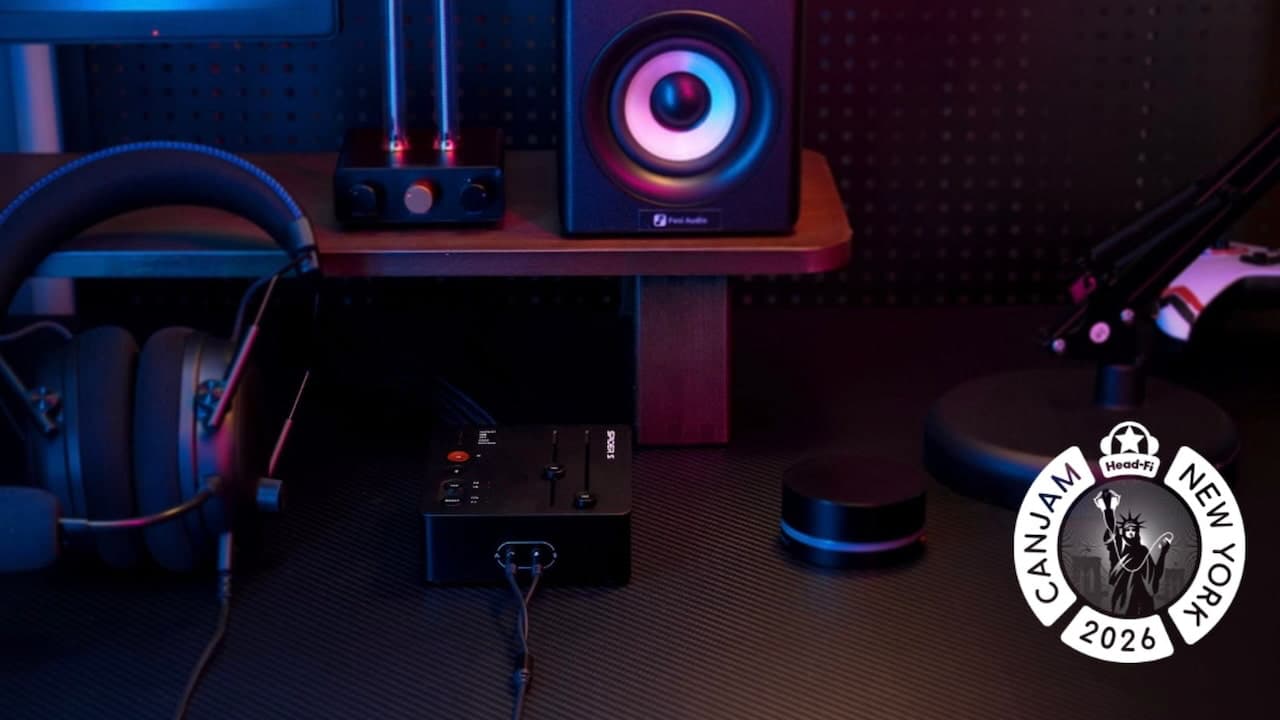
* Fosi Audio debuted the C3 AI Gaming Sound Card at CanJam NYC 2026, marking its first AI-trained processor targeting competitive FPS gamers seeking precise po…

* Jamie Dunn is appointed CEO of Lawo AG, succeeding Philipp Lawo, reinforcing leadership continuity and the company’s long-term strategic focus.

* Sennheiser will relocate its Americas regional headquarters from Old Lyme, Connecticut, to the Rock Nashville campus, located about 10 minutes from downtown…

T3 Audio
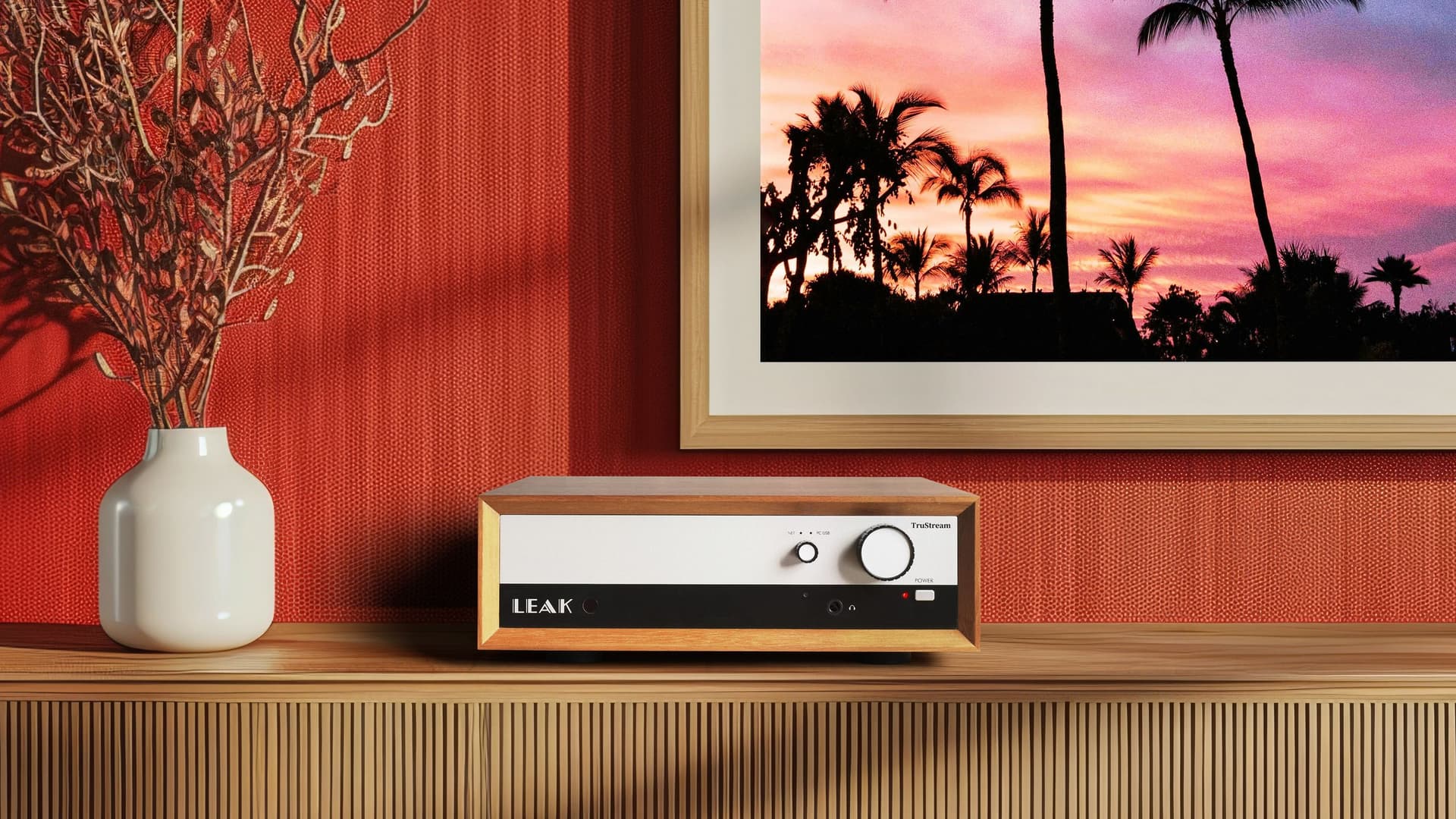
* Leak TruStream combines modern network audio streaming and a high-quality DAC inside a retro-inspired walnut veneer chassis reminiscent of classic 1970s hi-f…