Get the weekly hi-fi digest — new gear, best reads, and deals.

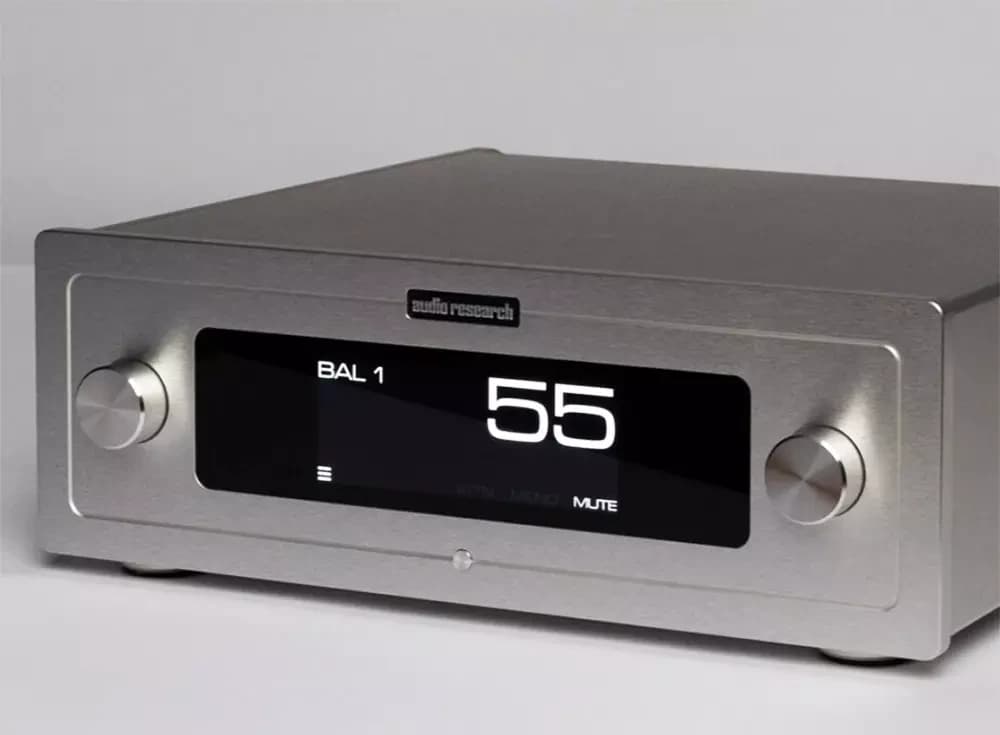
Audio Research LS-2 is a fully tube-based Class A preamplifier using a Zero Feedback design, prioritizing tonal coherence, dynamic stability, and authentic sound reproduction.
The signal path employs two 6H30 dual triode tubes in a balanced cathode-follower topology, achieving low output impedance for easy amplifier matching and long cable runs.
Modern usability complements classic architecture through a touch display enabling volume control, input renaming, brightness adjustment, and customizable color themes inspired by GhostMeters.
Audio Research positions the LS‑2 as a deliberate return to fundamentals, but the interesting part lies in how conservative circuit choices translate into system behavior rather than nostalgia. The absence of corrective loops shifts the burden onto linear device operation and power integrity, which explains the emphasis on robust triodes and a follower-style output stage. In practical system terms, this approach tends to preserve microdynamic shading and spatial continuity, especially in revealing setups where feedback-heavy preamps can sound overly “stitched together.” From an engineering standpoint, the LS‑2 favors predictability and phase integrity over textbook measurements, aligning with Audio Research’s long-standing belief that distortion spectra matter more than absolute figures.

Another angle often discussed among technically minded listeners is the balanced architecture’s role beyond noise rejection. Here it functions as a consistency tool, keeping channel symmetry intact across both balanced and single-ended outputs, which is not always the case in tube designs. This makes the LS‑2 less temperament-dependent when paired with modern solid-state power amplifiers or long interconnects—an area where older valve preamps could become system bottlenecks. Compared to preamps that chase feature density or DSP-driven flexibility, the LS‑2’s expandability remains physically and electrically isolated, reducing the risk of digital subsystems contaminating the core analog behavior.
Where opinions diverge is in the interpretation of its user interface. Some sources frame the display and visual customization as a concession to contemporary expectations, while others view it as a pragmatic layer that leaves the audio circuitry untouched. From a technical perspective, the latter reading is more convincing: control logic and signal handling are clearly segregated, preserving the preamp’s role as a gain and impedance management device rather than a control hub. In a market crowded with multifunction preamps, the LS‑2 stands out by treating expandability as optional infrastructure, not as a defining sonic variable—an approach that will resonate with system builders who value controlled minimalism over versatility for its own sake.
Newsletter
Get the week's top trending stories, best deals, and new product launches — straight to your inbox.

Darko Audio
* Roon now integrates nugs.net, requiring a separate subscription, unlocking access to one of the world’s largest archives of official live concert recordings.

* Cambridge Audio released a free over-the-air firmware update extending Spotify Lossless, Qobuz Connect, and streaming features to StreamMagic devices dating…

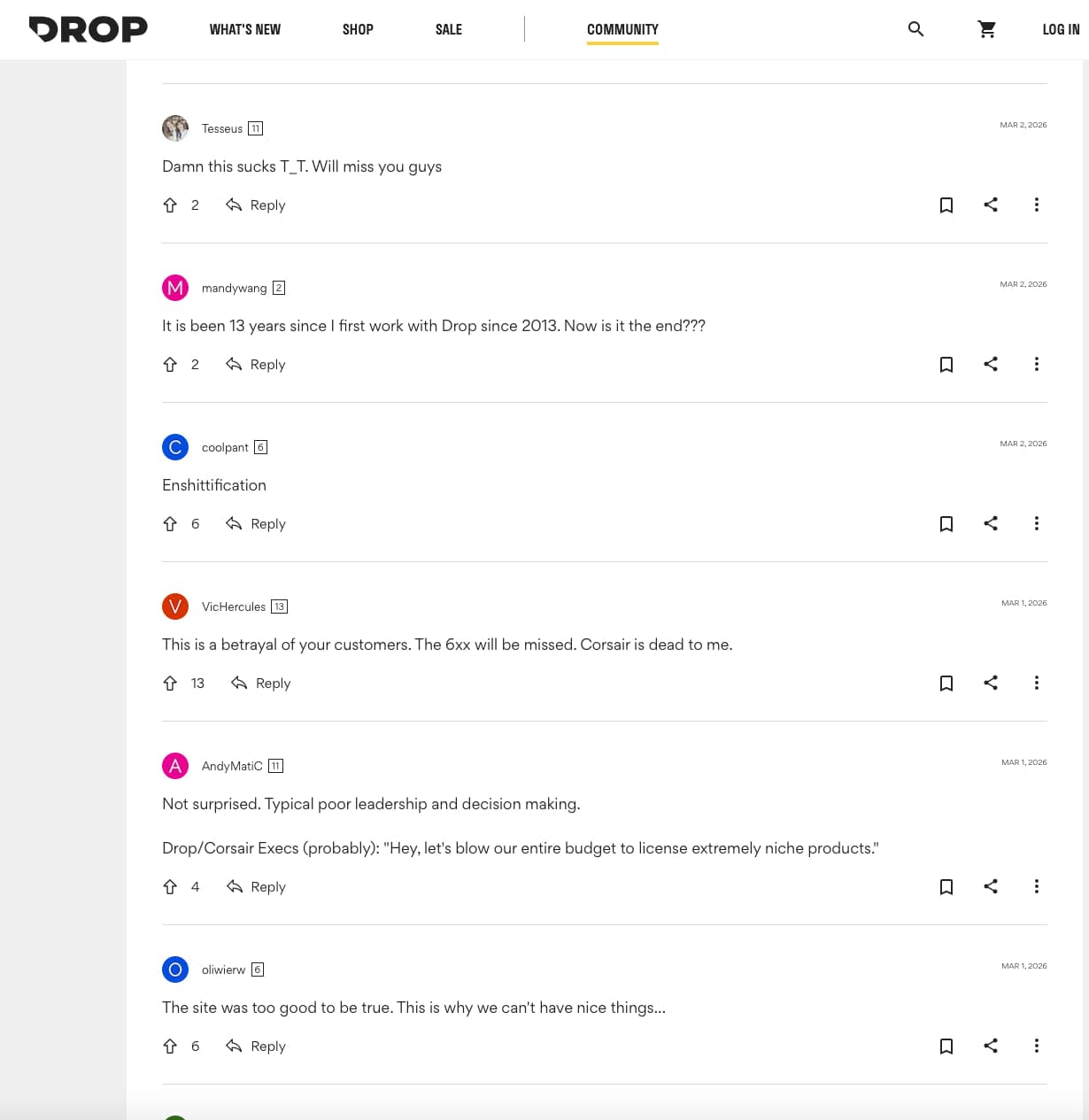
* Drop, originally Massdrop founded in 2012, will shut down its standalone e-commerce store, ending its community-driven group-buy and voting-based marketplace…

* ByteDance subsidiary Pico plans to release the Project Swan AR headset in 2026, featuring next-generation micro-OLED displays with an ultra-high 4000 PPI den…