Get the weekly hi-fi digest — new gear, best reads, and deals.

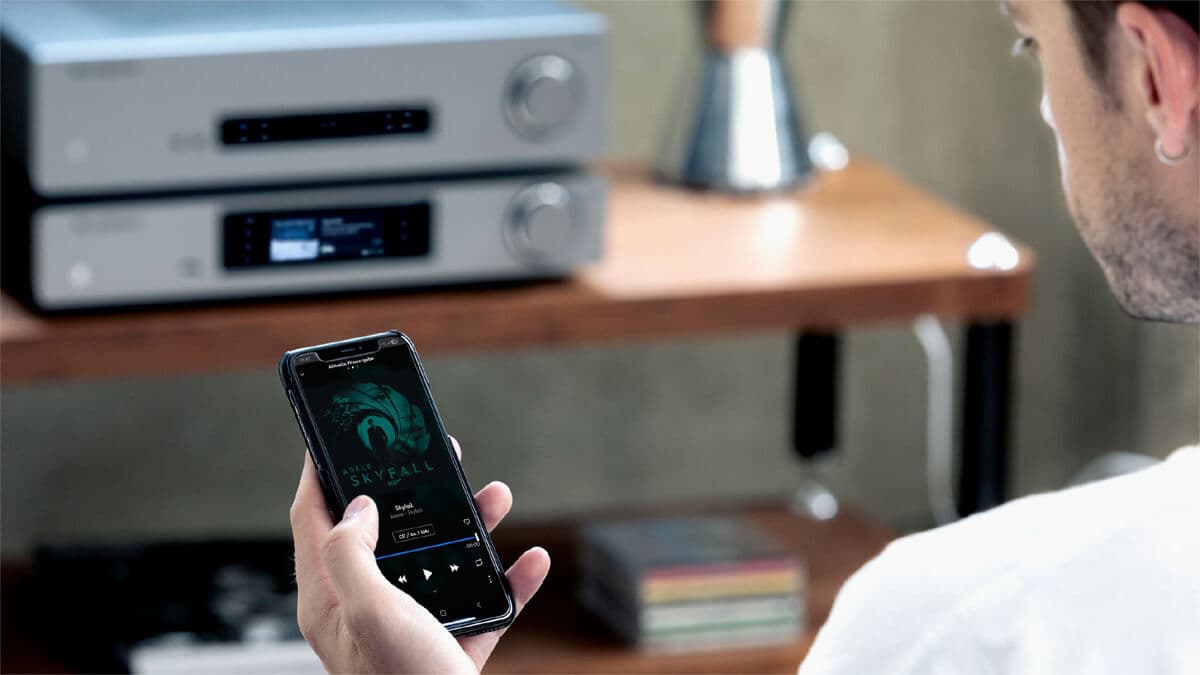
Cambridge Audio released a free over-the-air firmware update extending Spotify Lossless, Qobuz Connect, and streaming features to StreamMagic devices dating back to 2014.
The update targets StreamMagic Generation 2 and 3 platforms, including models like StreamMagic 6 V2, CXN, CXN V2, Azur 851N, CXR, and Edge NQ.
Qobuz Connect integration allows direct playback control from the native Qobuz app, eliminating reliance on proprietary apps for supported Cambridge Audio streamers.
What makes this update noteworthy is less the headline feature and more the underlying architecture that enables it. StreamMagic’s tight coupling of network stack, control layer, and audio pipeline allows Cambridge Audio to bolt modern “Connect”-style protocols onto comparatively old silicon without rewriting the entire firmware base. From a technical standpoint, Qobuz Connect operates as a control-plane handoff: the mobile app negotiates stream parameters and hands off playback to the streamer, which then pulls the FLAC data directly from Qobuz’s servers. That bypasses phone-based resampling and jitter-prone Bluetooth paths, keeping clocking and buffering where they belong—inside the streamer’s DAC and network board. For owners of legacy hardware, this effectively modernizes the control surface while leaving the proven digital audio path untouched.
Industry reaction has been colored by recent counterexamples, where network products lost functionality as cloud APIs and companion apps aged out. Against that backdrop, Cambridge Audio’s approach highlights a philosophical split: brands dependent on third‑party streaming modules or outsourced software stacks often hit a hard ceiling, while vertically integrated platforms retain room to evolve. StreamMagic Gen 2 and 3 may lack the raw processing headroom of newer platforms, but they were evidently engineered with enough margin to accommodate new authentication layers and service APIs without compromising stability or bit depth. In forum terms, this is the difference between a streamer that becomes e‑waste once the app breaks and one that simply keeps showing up as a valid endpoint.
From an audiophile perspective, the practical upside is subtle but meaningful. Native Connect implementations reduce the need for vendor-specific apps, which often act as an extra abstraction layer with their own quirks in gapless playback, playlist handling, or metadata refresh. Letting Qobuz or Spotify handle the UI while the streamer focuses purely on deterministic audio delivery aligns with how many enthusiasts already think about system separation: control on one device, conversion on another. That this philosophy is being retrofitted onto decade-old hardware challenges the assumption that network audio must age like a smartphone—and quietly raises expectations for the rest of the industry.
Newsletter
Get the week's top trending stories, best deals, and new product launches — straight to your inbox.

Darko Audio
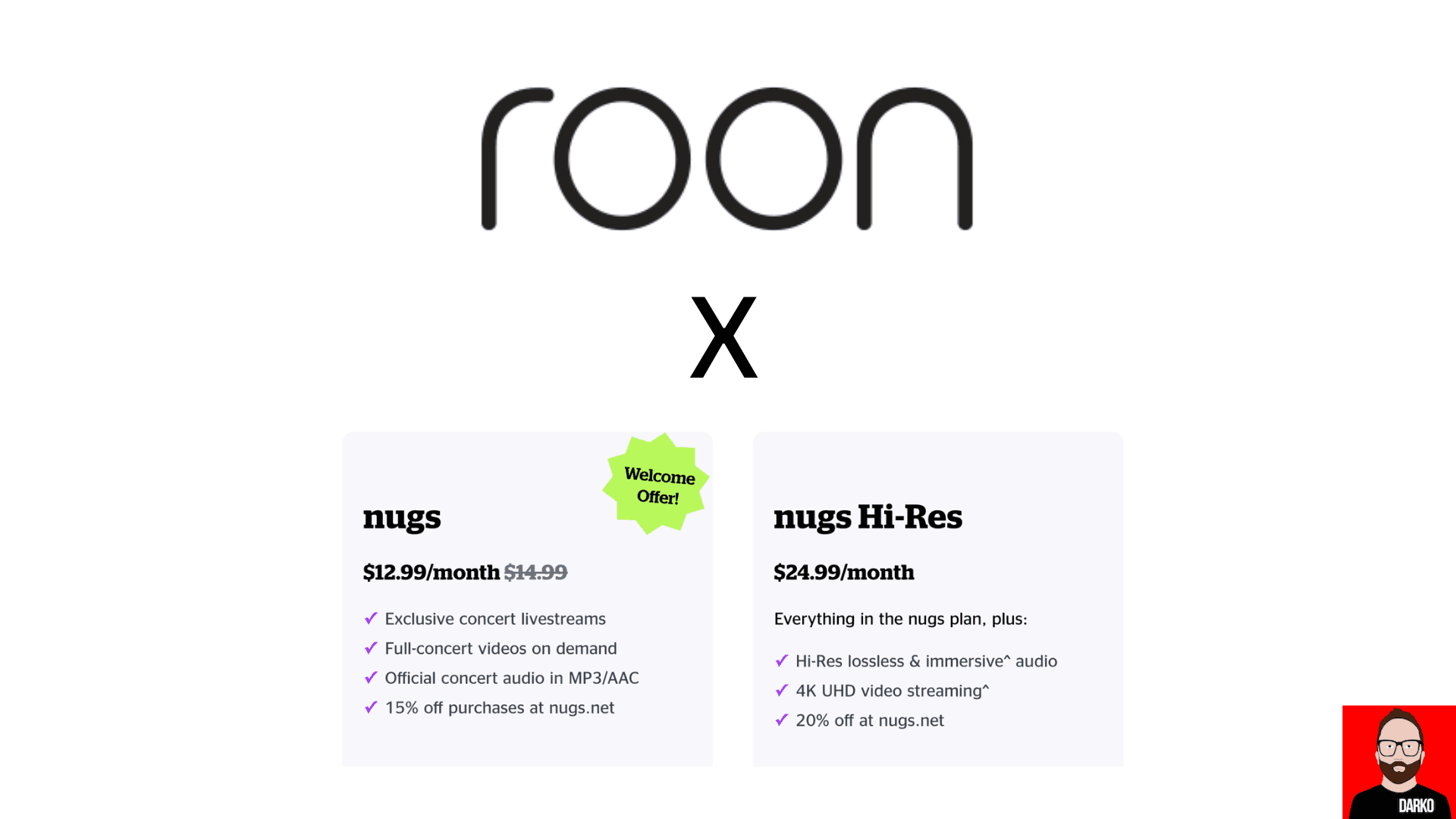
* Roon now integrates nugs.net, requiring a separate subscription, unlocking access to one of the world’s largest archives of official live concert recordings.

* Cambridge Audio released a free over-the-air firmware update extending Spotify Lossless, Qobuz Connect, and streaming features to StreamMagic devices dating…

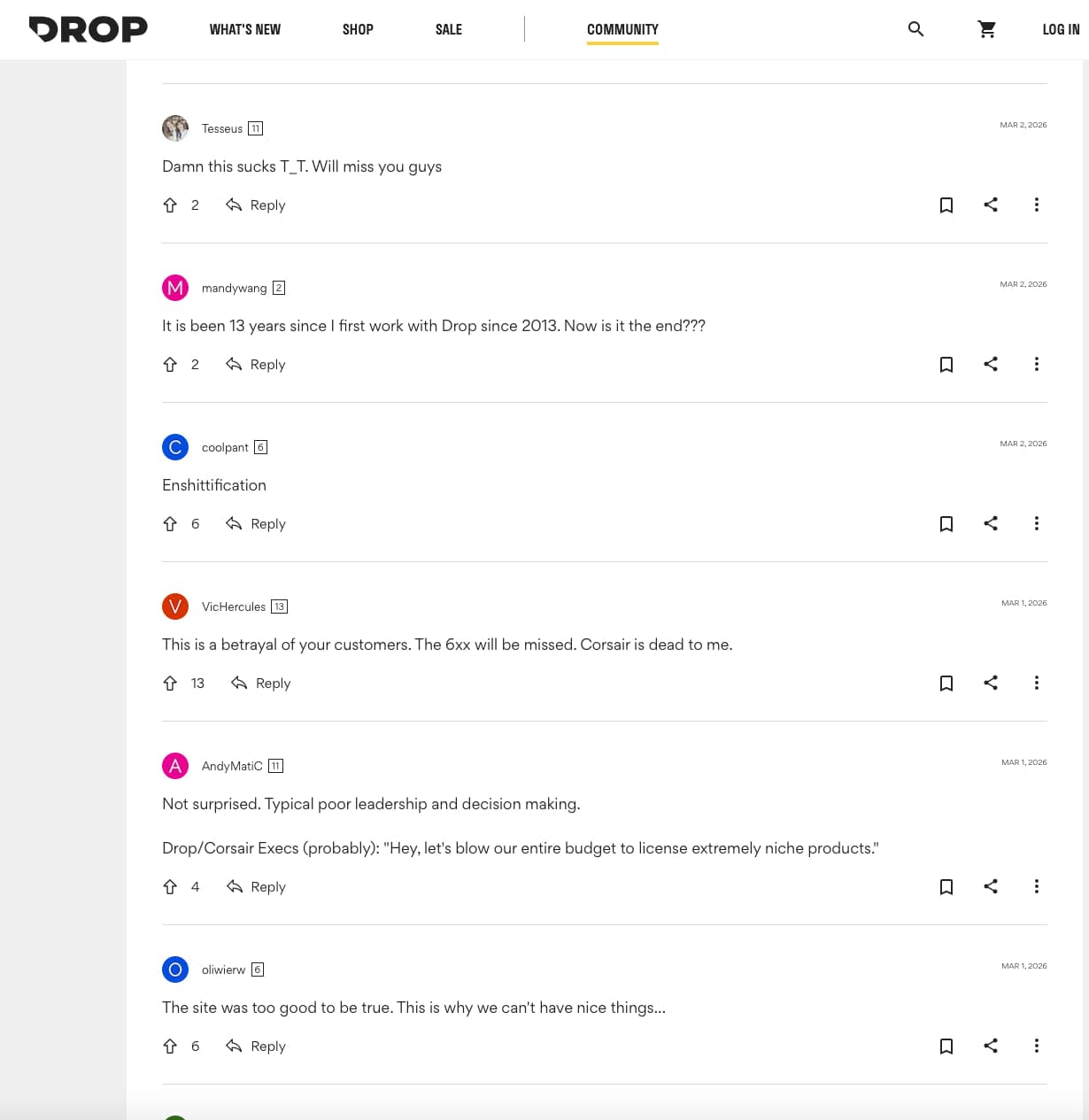
* Drop, originally Massdrop founded in 2012, will shut down its standalone e-commerce store, ending its community-driven group-buy and voting-based marketplace…

* ByteDance subsidiary Pico plans to release the Project Swan AR headset in 2026, featuring next-generation micro-OLED displays with an ultra-high 4000 PPI den…