Get the weekly hi-fi digest — new gear, best reads, and deals.

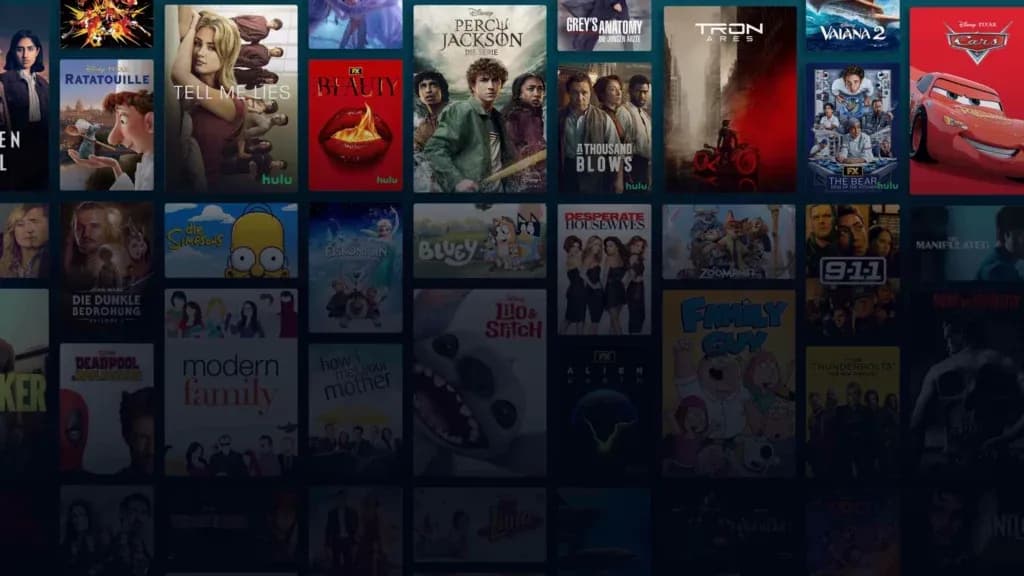
Disney+ has completely removed HDR support, including HDR10, HDR10+, and Dolby Vision, due to an ongoing patent dispute affecting all subscription tiers.
Previously, static HDR10 remained as a fallback, but it was silently removed, leaving all Disney+ content available only in SDR format.
The affected Premium subscription costs €15.99 per month or €159.90 annually and was the only tier that originally included HDR formats.
From a signal-processing perspective, the current situation exposes how deeply modern streaming pipelines are optimized around HDR masters. Disney’s catalogue has largely been graded in PQ with either static or dynamic metadata, meaning peak luminance, color volume and roll-off are all defined with HDR displays in mind. When those assets are forced into SDR delivery, the service must rely on tone-mapping and gamut compression to squeeze a wide dynamic range into Rec.709 and a 100‑nit target. If that conversion is rushed or overly automated, highlights collapse, mid-tones drift, and shadow detail can clump—effects that seasoned viewers describe as a “flat” or “milky” image, even at high bitrates. The continued availability of 4K resolution doesn’t solve this, as spatial detail cannot compensate for lost luminance contrast and color depth.

What’s striking is the contrast between official silence and the technical breadcrumbs left behind. Support pages quietly dropping HDR references suggest a backend change rather than a temporary playback bug. Some reports point to visible banding and chroma noise in titles previously praised for clean Dolby Vision grades, hinting at SDR encodes derived from HDR mezzanines without title-specific tuning. Other observers, including editorial voices, note that results vary by device and app version, which aligns with differences in client-side tone-mapping and decoder behavior. OLEDs with aggressive dynamic contrast can mask some issues, while calibrated LCDs tend to reveal them mercilessly.
For AV enthusiasts, the bigger concern is precedent. HDR is not a cosmetic feature but a foundational part of the mastering chain, akin to high-resolution audio versus a downsampled stream. Removing it alters the artistic intent and shifts the burden to display manufacturers to “fix” the image post hoc. Until the legal and licensing dust settles, Disney+ effectively delivers cinema-grade content through a broadcast-era window—technically competent on paper, yet audibly (and visibly) compromised to anyone trained to listen, or in this case, to watch critically.
New gear, best reads, and deals — every Friday.

* Shokz Japan appointed Sakanaction frontman Ichiro Yamaguchi as brand ambassador, launching the collaboratively designed open-ear wireless earbuds, OpenFit 2+…

* Munich launches the inaugural Munich HiFi Days in March, filling the gap left by the departed international High End trade show.

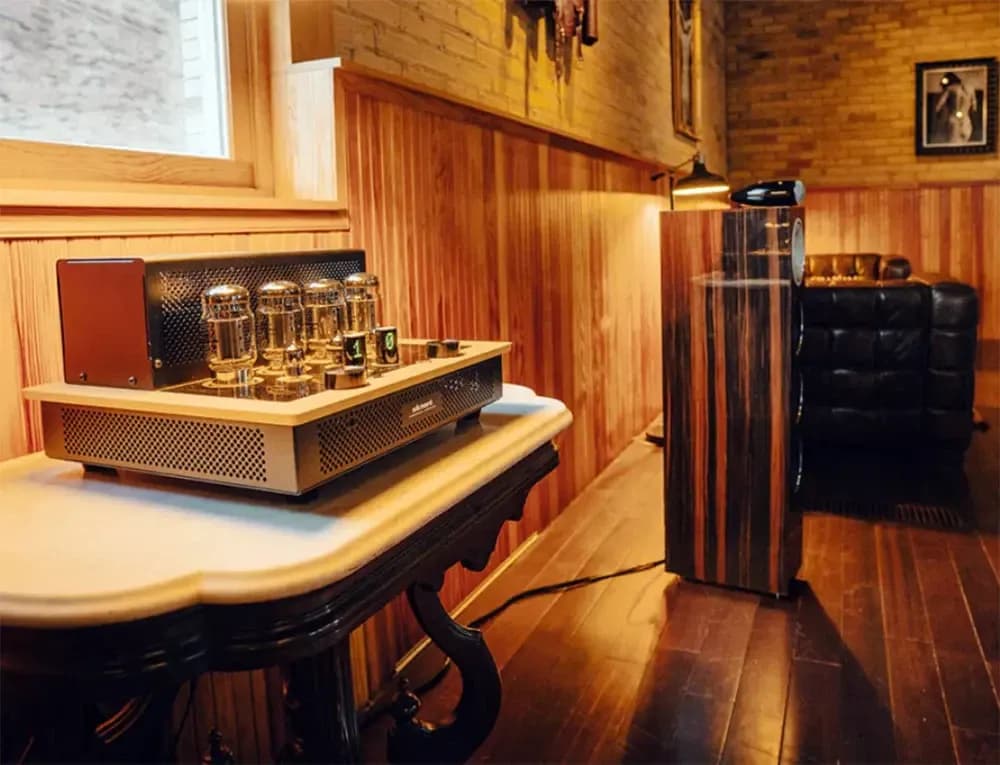
* Audio Research I/55 is a compact tube integrated amplifier derived from I/70, succeeding I/50, targeting high-end listeners seeking classic tube sound with m…

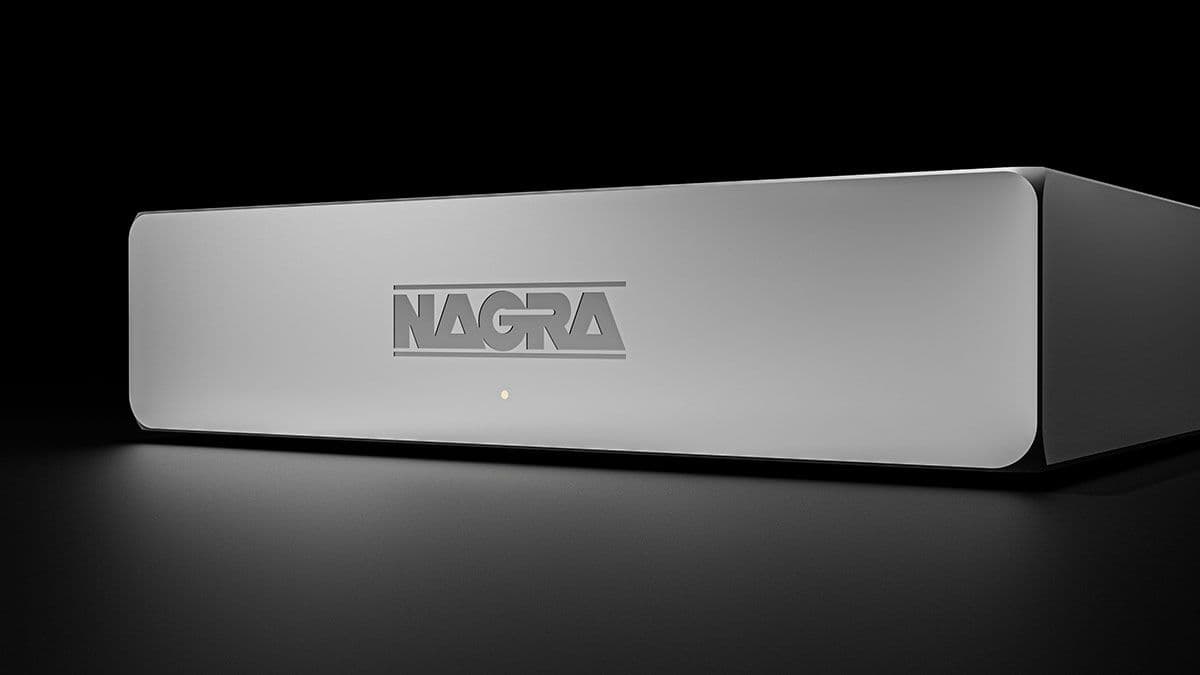
* Nagra Compact Player is a complete high-end digital source integrating advanced streaming, a built-in DAC, and dual-mono analog outputs for improved channel…