Get the weekly hi-fi digest — new gear, best reads, and deals.

Munich launches the inaugural Munich HiFi Days in March, filling the gap left by the departed international High End trade show.
The event adopts the intimate Norddeutsche HiFi-Tage concept, using Le Méridien hotel conference rooms and suites for realistic acoustic demonstrations.
Exhibitors present a full high-end audio spectrum, from passive loudspeakers and tube amplifiers to high-resolution streaming and network-based playback systems.
The shift from cavernous exhibition halls to hotel-scale rooms has tangible technical consequences for what gets demonstrated and how it’s tuned. In smaller suites, exhibitors can realistically deploy speakers with moderate sensitivity and controlled directivity rather than relying on sheer cone area and SPL headroom. This favors careful crossover design, well-damped cabinets, and amplifiers that prioritize low-noise floors and current stability over headline wattage. From a system-matching standpoint, it also exposes the interaction between speaker impedance curves and tube or hybrid output stages, something that often gets masked in oversized demo spaces with aggressive room correction.
Compared with the former international mega-show format, the Munich approach implicitly challenges manufacturers to present coherent signal paths rather than isolated components. Sources indicate a strong emphasis on network players and DACs integrated deeper into the amplification stage, often via asynchronous USB or Ethernet inputs with local clock management, rather than standalone digital front ends. This reflects an industry perspective that timing accuracy, jitter suppression, and power-supply topology are now as critical to perceived sound quality as traditional analog virtues. In contrast, the Hamburg-style blueprint it draws from has historically highlighted how such digital architectures behave once stripped of elaborate acoustic treatments.
Another notable angle is the balance between established brands and small-batch manufacturers. While larger names tend to showcase mature product lines with incremental refinements—revised output transformers, updated streaming modules, or firmware-level DSP tweaks—boutique builders often use these settings to demonstrate radical simplicity: short signal paths, minimal feedback, and passive components selected for voicing rather than measurements alone. In a room that resembles an actual living space, these divergent philosophies become immediately audible, turning the event into less of a spectacle and more of a comparative deep dive into how modern hi‑fi engineering choices translate into real-world listening.
New gear, best reads, and deals — every Friday.

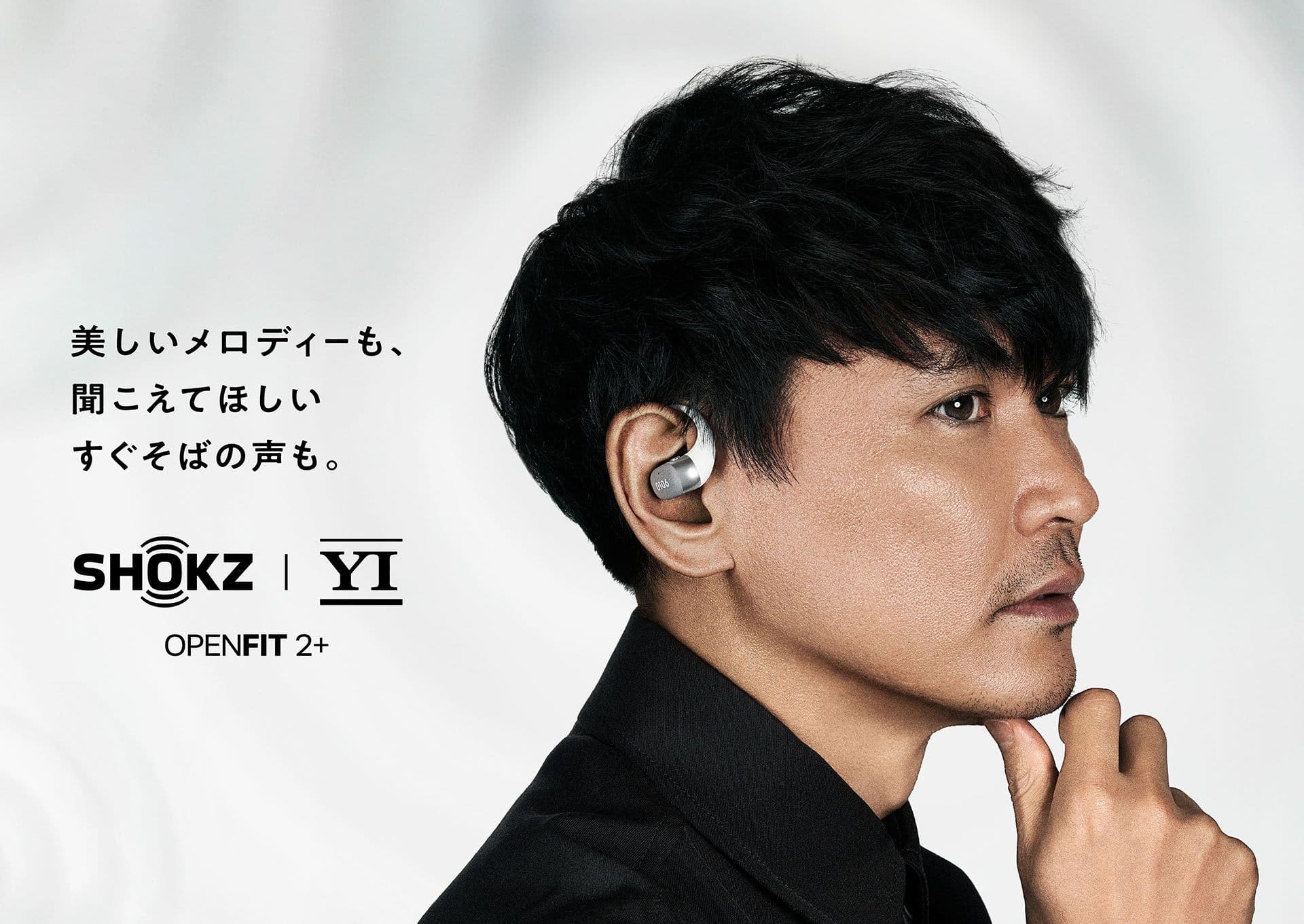
* Shokz Japan appointed Sakanaction frontman Ichiro Yamaguchi as brand ambassador, launching the collaboratively designed open-ear wireless earbuds, OpenFit 2+…

* Munich launches the inaugural Munich HiFi Days in March, filling the gap left by the departed international High End trade show.

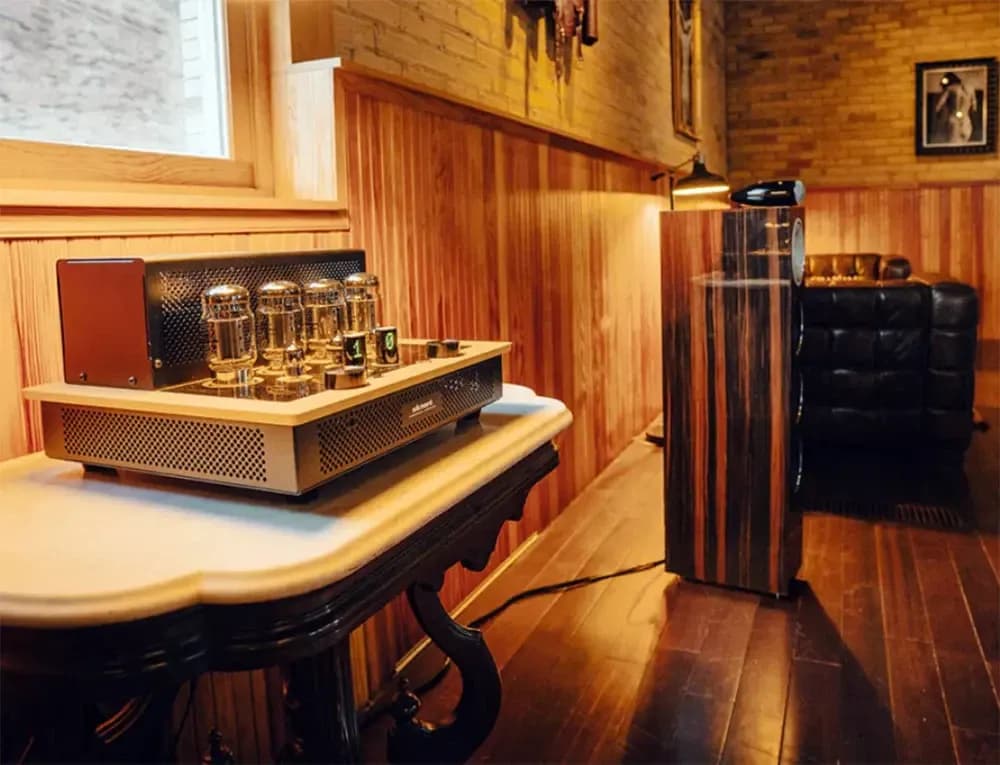
* Audio Research I/55 is a compact tube integrated amplifier derived from I/70, succeeding I/50, targeting high-end listeners seeking classic tube sound with m…

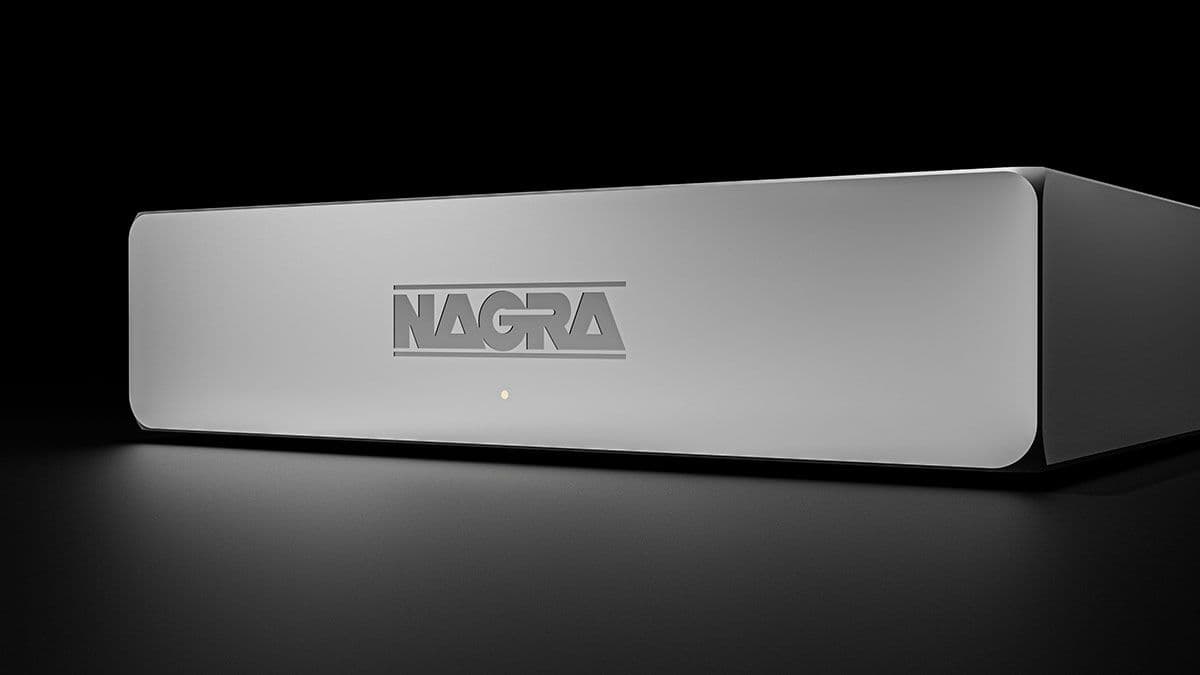
* Nagra Compact Player is a complete high-end digital source integrating advanced streaming, a built-in DAC, and dual-mono analog outputs for improved channel…