Get the weekly hi-fi digest — new gear, best reads, and deals.

Japanese audiophile label Esoteric releases three new SACD titles, continuing its established formula of two classical recordings and one jazz album per series.
Sibelius “Symphonies No. 2 & No. 5” features San Francisco Symphony under Herbert Blomstedt, recorded 1989–1991 at Davies Symphony Hall, originally released by Decca.
The Sibelius SACD is newly remastered at Esoteric Mastering Center by Motoaki Ohmachi, Jo Yoshida, and Masaya Tohno, issued as hybrid SACD/CD.
Esoteric’s latest SACD batch once again underlines how differently Japanese reissue culture approaches archival material compared to European licensees. The common thread across all three albums is the label’s in‑house mastering chain, which prioritizes low-level resolution and time-domain coherence over overt tonal reshaping. Engineers associated with the Esoteric Mastering Center are known for working directly from original analog sources, transferring to DSD with minimal intermediate processing, a method that tends to preserve microdynamics and hall decay rather than spotlighting transient “hi‑fi effects.” This approach contrasts with some Western remasters that favor sharper leading edges or elevated presence bands, often at the expense of spatial continuity.

From a technical listening perspective, the two classical releases showcase very different challenges. Large-scale symphonic material benefits from Esoteric’s control of bass texture and macrodynamic scaling, particularly in tuttis where lesser remasters can collapse into glare. The Bach set, on the other hand, exposes the label’s handling of instrumental timbre and image stability; the interplay between strings and winds demands phase accuracy and careful management of upper harmonics. Esoteric’s reputation suggests a more integrated soundstage, where solo instruments are carved by air and distance rather than spotlighted by EQ. The decision to spread the Brandenburgs across two discs also hints at conservative level management, avoiding aggressive compression in favor of relaxed headroom.
The inclusion of a classic vocal jazz title adds an instructive counterpoint. “Chet Baker Sings” is often used by audiophiles to judge midrange purity and vocal intimacy, and Esoteric’s SACD treatment is expected to emphasize noise-floor reduction and tape texture rather than modernized warmth. Compared to some popular reissues that smooth over tape grain, Esoteric typically allows the fragility of Baker’s phrasing and the dryness of the studio acoustic to remain intact. In this sense, the trio of releases forms a coherent technical statement: high-resolution formats used not to embellish, but to step back and let the original recordings speak with minimal editorial intervention.
Newsletter
Get the week's top trending stories, best deals, and new product launches — straight to your inbox.

* Ringo Starr will release his new album **Long Long Road** on April 24, 2026, continuing his late-career exploration of Americana and country music.

HiFi.De
* Paramount Skydance CEO David Ellison confirmed plans to merge HBO Max and Paramount+ into a single streaming platform, though timing and pricing remain undis…

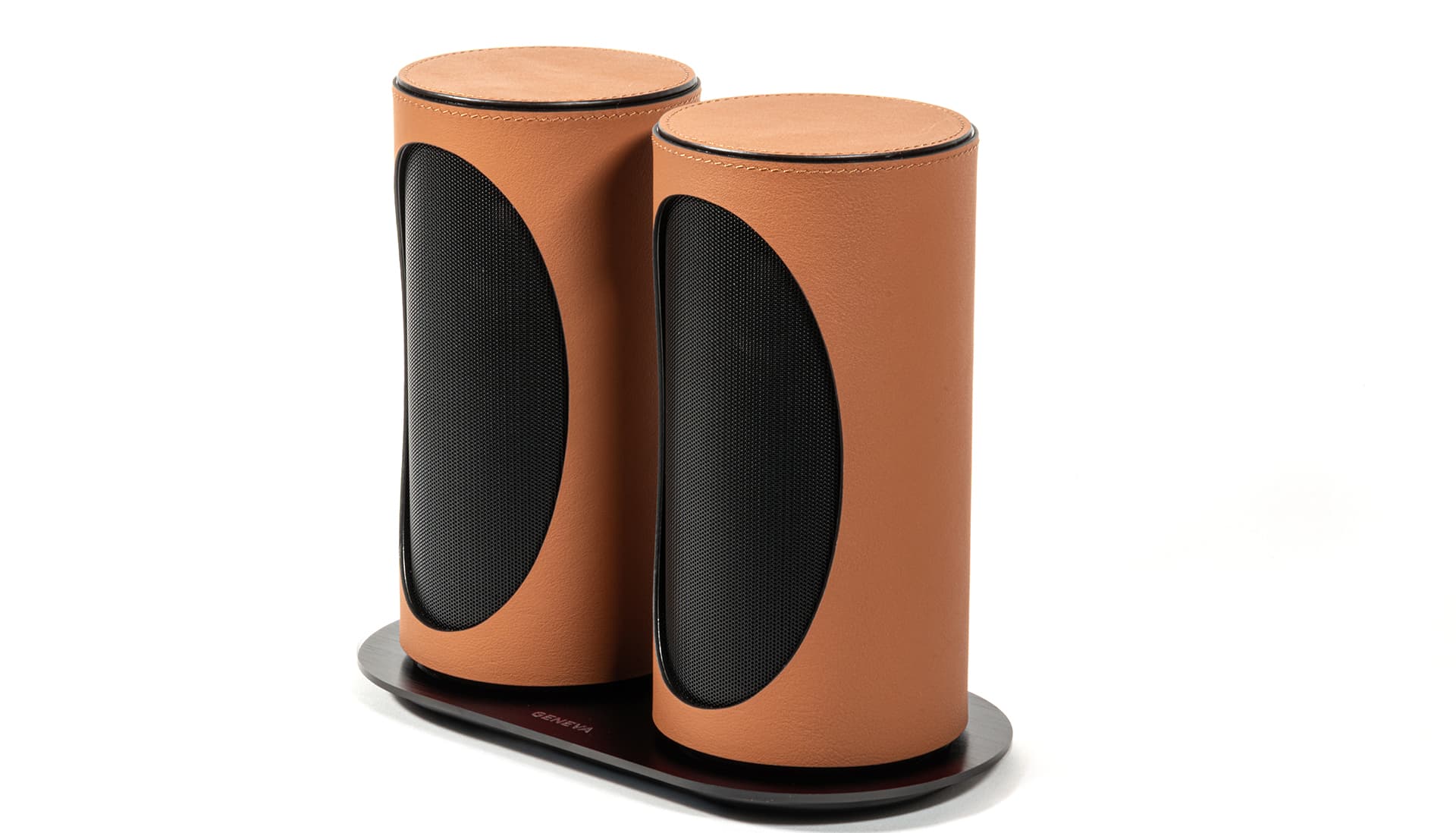
* Swiss audio brand GENEVA launches the Duo portable Bluetooth speaker stereo pair, priced at ¥69,300, with early sales starting March 4 at Isetan Shinjuku.

* Japanese audiophile label Esoteric releases three new SACD titles, continuing its established formula of two classical recordings and one jazz album per seri…