Get the weekly hi-fi digest — new gear, best reads, and deals.

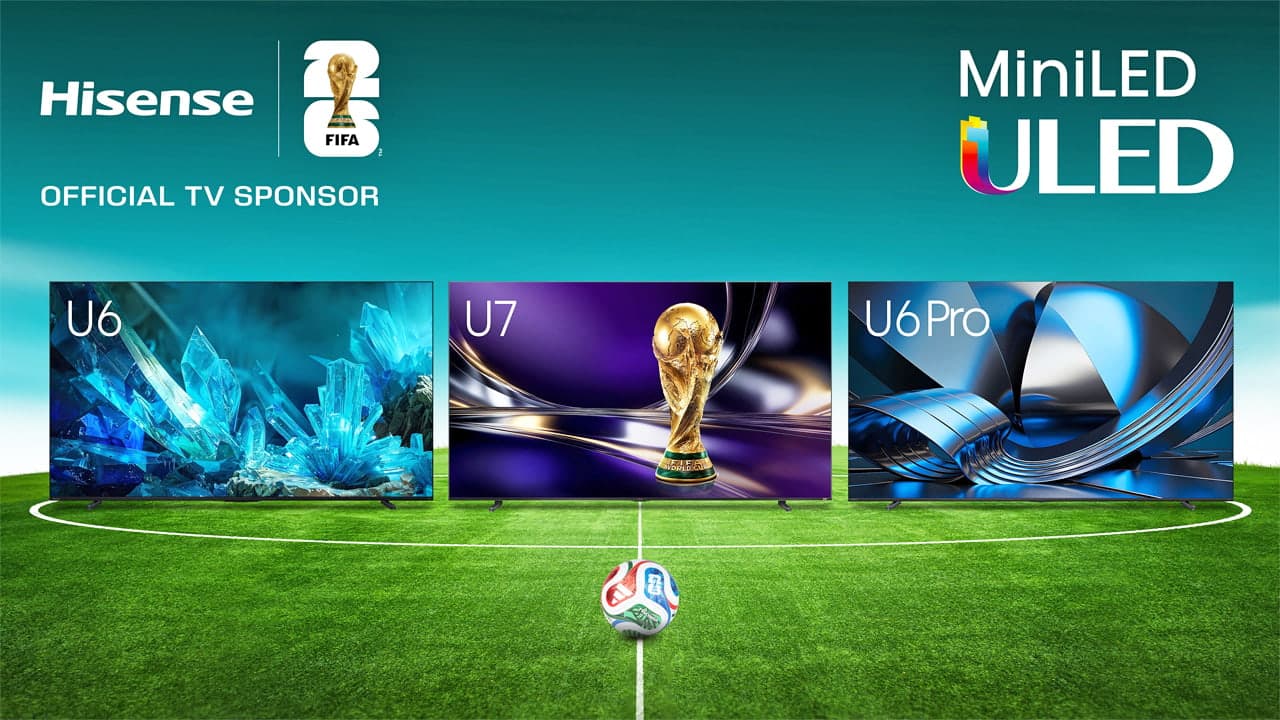
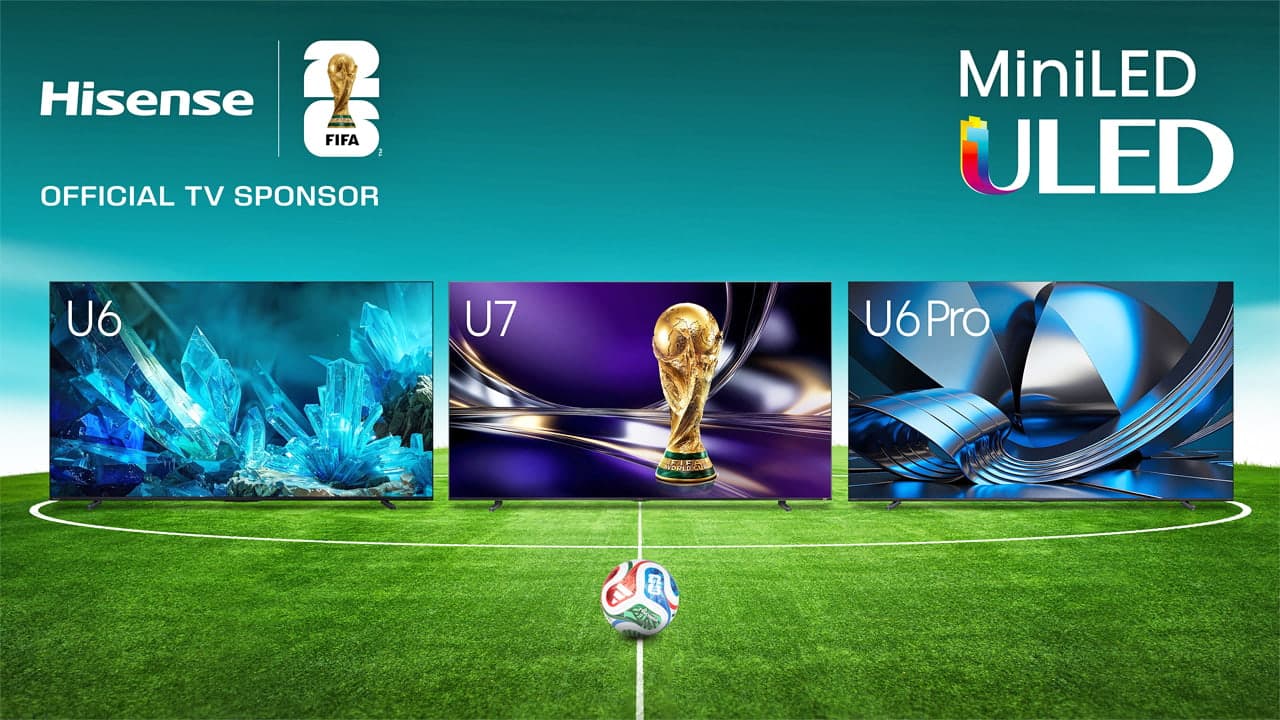
Hisense unveiled its 2026 U6 and U7 ULED MiniLED 4K TV lineups, spanning 55–116 inches, targeting midrange buyers seeking large screens and high brightness.
The U7 Series (U7SG) leads the rollout with MiniLED Pro backlighting, up to 3,000 nits peak brightness, native 165Hz refresh rate, and advanced gaming features.
U7 models support Dolby Vision IQ, HDR10+, IMAX Enhanced, VRR/ALLM, Dolby Vision Gaming, and deliver 50W–60W Dolby Atmos audio tuned by Devialet.
Hisense’s 2026 U6 and U7 families read less like incremental refreshes and more like a consolidation play in the LCD arms race. While OLED continues to dominate mindshare, the company is clearly betting that tighter MiniLED zoning, higher-efficiency quantum dot layers, and aggressive scaling into triple‑digit screen sizes can narrow the perceptual gap where it matters: contrast stability under real-world APL and color volume at sustained luminance. Industry chatter points to Hisense aligning its ULED MiniLED platform as a proving ground ahead of its forthcoming RGB MiniLED tier, mirroring a broader shift also seen at Samsung toward purer color control at the backlight level rather than brute-force white LED output.
The U7’s technical posture suggests a panel pipeline optimized for motion coherence and backlight discipline rather than spec-sheet theatrics. Native high-frame-rate operation paired with heavy local dimming demands precise timing between the LCD stack and MiniLED driver ICs; missteps there usually show up as haloing or crushed near-black during fast cuts. Hisense appears to be prioritizing signal path cleanliness and processing headroom, leaning on its in-house AI engine to manage tone mapping and motion interpolation without the “soap-opera” artifacts that forum regulars love to roast. The inclusion of low-reflection panel treatments also hints at an understanding that these sets will live in bright, shared spaces—not bat caves—where ANSI contrast often matters more than lab-measured blacks.
Dropping down to the U6 line, the design philosophy shifts toward sensible compromises rather than feature amputations. MiniLED remains central, but with fewer zones and a simplified processing chain that favors consistency over tweakability. The integrated subwoofer is an interesting nod to buyers who care about tonal weight but aren’t ready to wire a full system; it won’t replace separates, but it should add some much-needed midbass authority compared to the wafer-thin sound profiles typical of value LCDs. Taken together, the U6 and U7 lines underline Hisense’s intent to own the “performance-per-inch” conversation globally, even as competitors juggle OLED yields and next-gen backlight experiments.
Newsletter
Get the week's top trending stories, best deals, and new product launches — straight to your inbox.

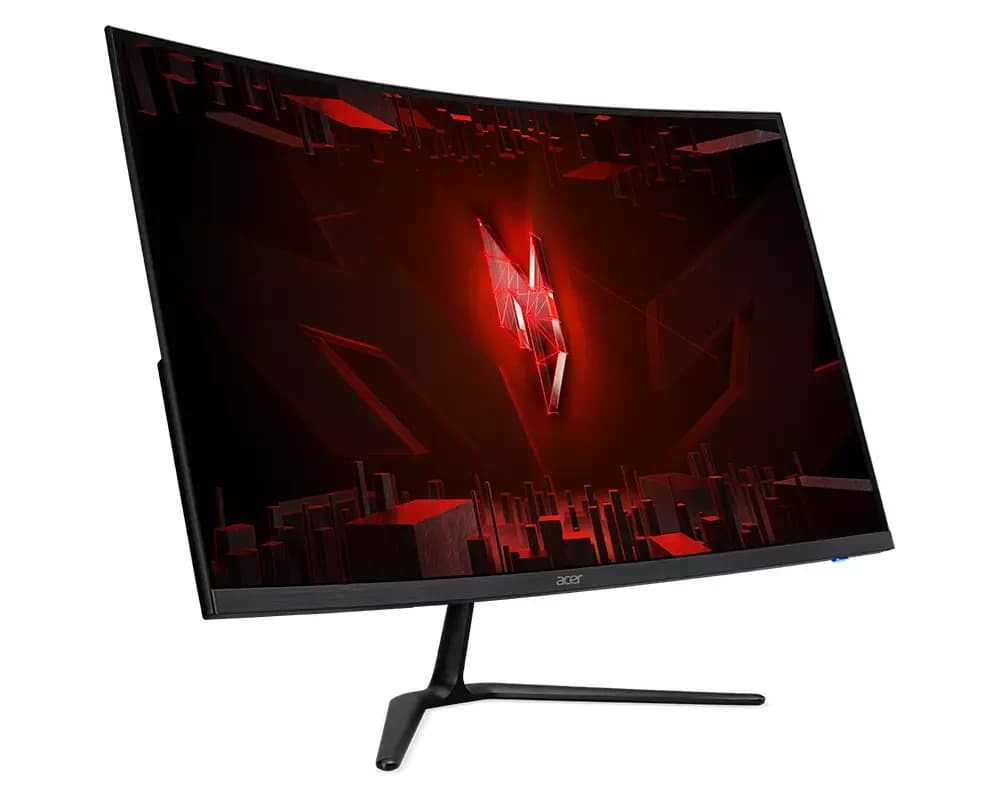
* Acer Nitro ED320QUS3 is a 31.5-inch curved gaming monitor with QHD 2560×1440 resolution, designed for immersive gameplay and versatile everyday productivity.

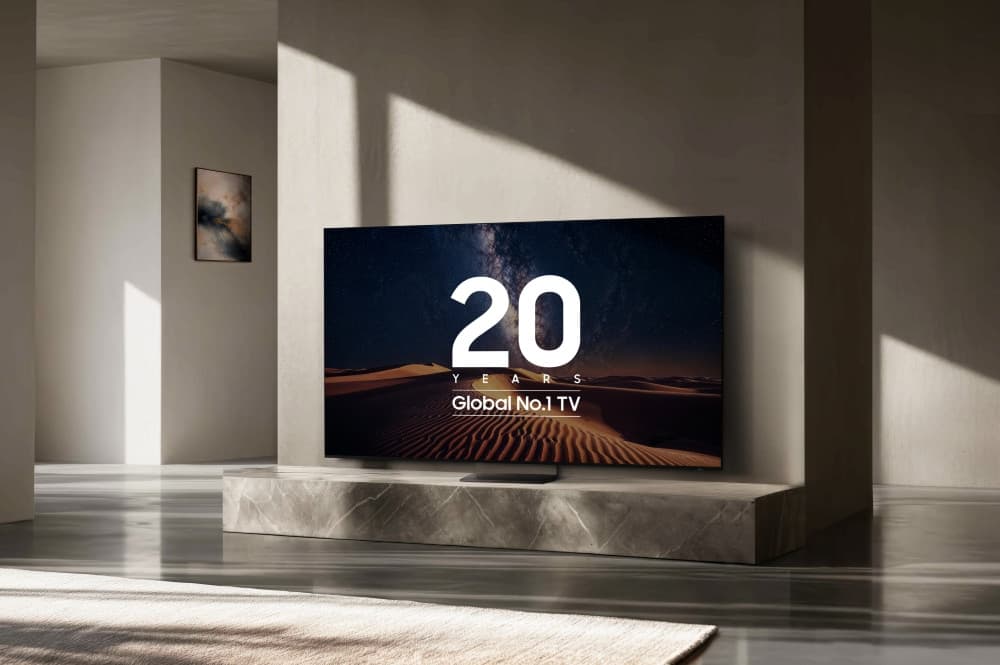
* Samsung Electronics marks 20 consecutive years as the world’s leading TV manufacturer, holding top position since 2006 with projected 29.1% global market sha…

* Hisense unveiled its 2026 U6 and U7 ULED MiniLED 4K TV lineups, spanning 55–116 inches, targeting midrange buyers seeking large screens and high brightness.

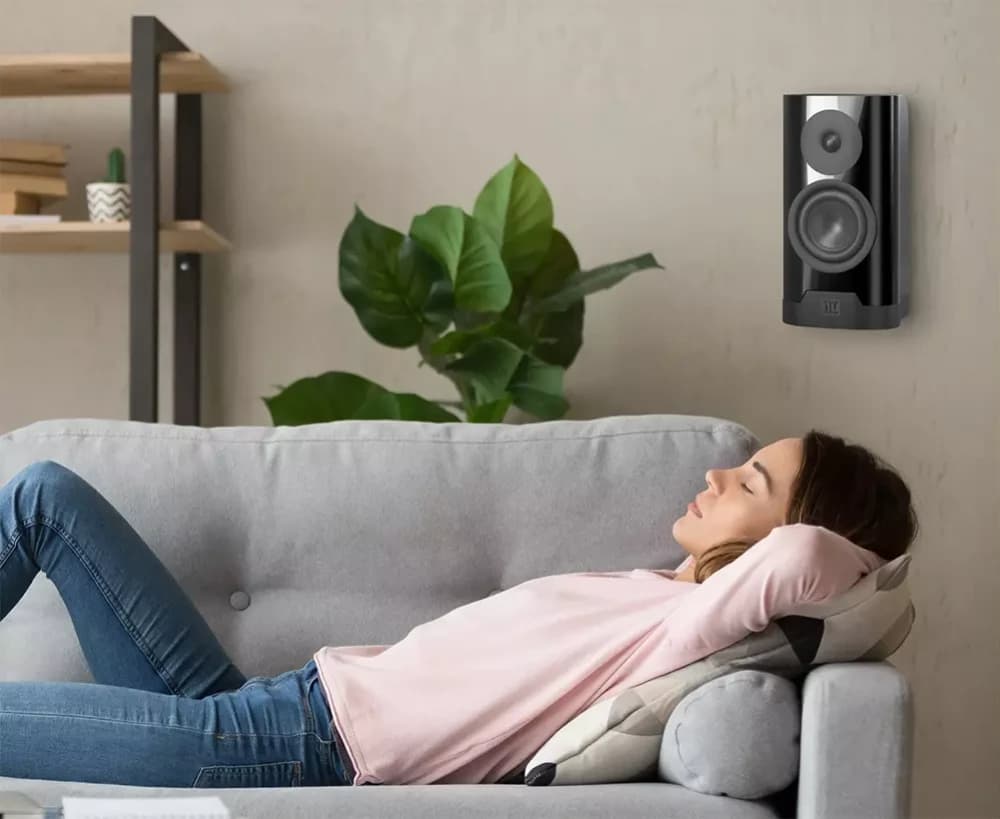
* Nubert nuVero nova 5 is a compact two-way speaker designed for wall, ceiling, and surround use, emphasizing uniform sound dispersion and audiophile performan…