Get the weekly hi-fi digest — new gear, best reads, and deals.

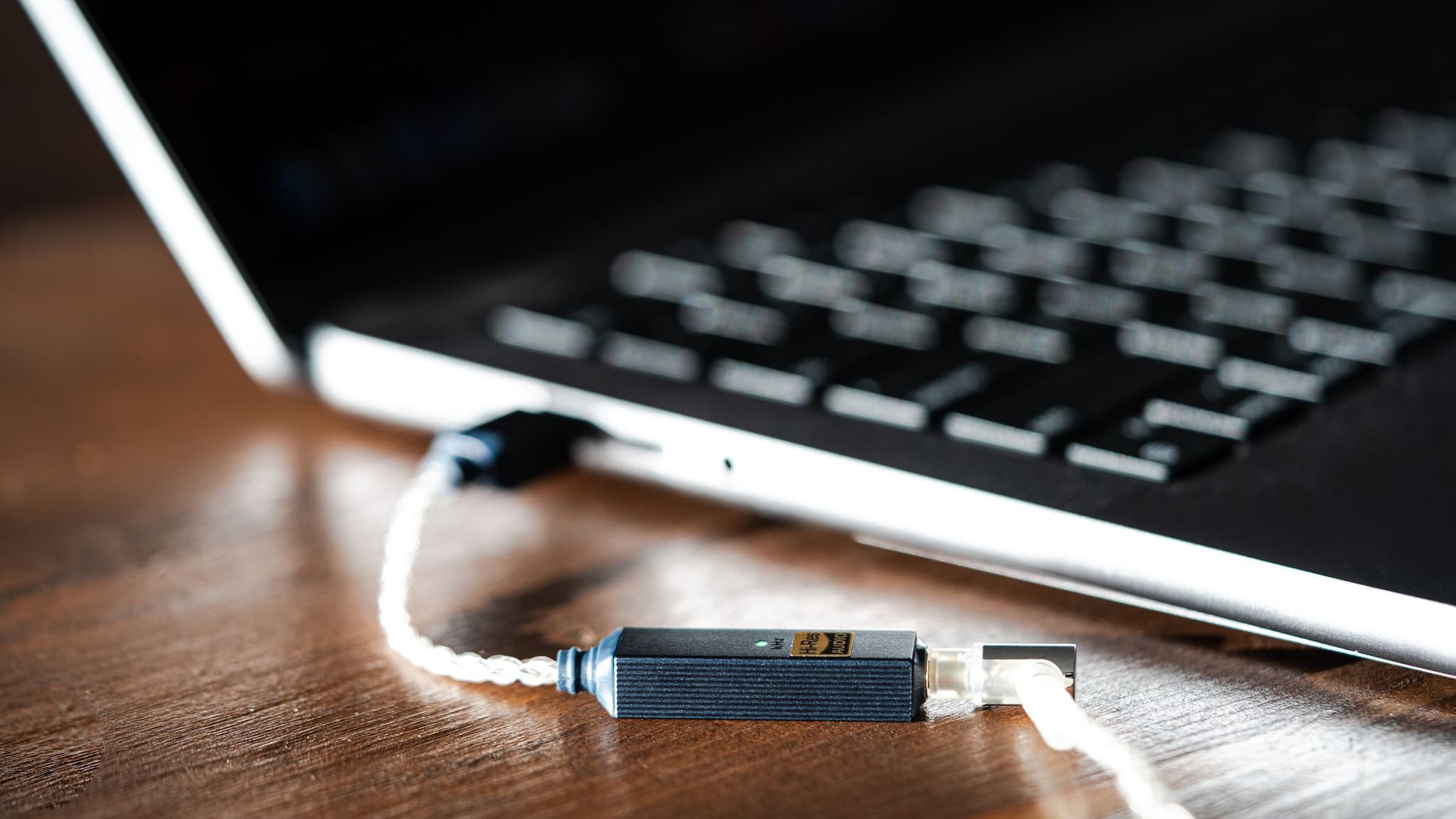
iFi Go Link 2 is the brand’s smallest DAC yet, 8% smaller and 29% lighter than Go Link, targeting phone and laptop audio upgrades.
Designed for Hi‑Res and Lossless streaming from Spotify, Apple Music, Tidal, and Qobuz, it delivers up to 62% lower distortion than predecessors.
The DAC supports up to 32‑bit/284kHz playback, reproducing extremely detailed audio, while S‑Balanced output cuts crosstalk by 50% for cleaner separation.
What makes the Go Link 2 interesting isn’t just its shrink-ray dimensions, but the way iFi has reworked the signal path to better suit modern phones and ultraportables. Unlike many budget dongle DACs that lean heavily on off-the-shelf reference designs, this one focuses on preserving low-level information under real-world loads. The emphasis appears to be on improved clock stability and a quieter USB power implementation, areas where smartphones and thin laptops are notoriously compromised. In practice, that tends to translate into blacker backgrounds and more convincing microdynamics, particularly with sensitive IEMs that can easily expose noise floor issues.
Compared with minimalist rivals like Noble Audio’s Sceptre, the Go Link 2 takes a more configurable, “audiophile-first” approach. The inclusion of selectable digital filters hints at a DAC topology that’s tuned as much for temporal accuracy as for headline resolution. Linear filtering will appeal to listeners chasing textbook frequency response and phase integrity, while the hybrid option subtly trades edge precision for a more relaxed transient envelope — a choice often debated in forum threads when discussing delta-sigma implementations versus perceived musicality. This level of control is rare at the entry end of the dongle market and suggests iFi is targeting enthusiasts who already understand how filter behavior affects staging and attack.
There’s also a philosophical difference in how iFi handles output design. Rather than chasing raw power figures, the focus is clearly on channel integrity and load consistency, which is more relevant for real-world headphones than sheer voltage swing. That approach aligns with iFi’s broader house sound: slightly on the neutral-warm side, prioritising separation and coherence over hyper-etched detail. For listeners stepping up from a phone’s internal codec or a generic USB-C adapter, the upgrade isn’t about louder playback, but about restoring spatial cues and tonal density that tend to collapse when audio is handled by general-purpose silicon.
New gear, best reads, and deals — every Friday.

HiFi.De
* Disney+ has completely removed HDR support, including HDR10, HDR10+, and Dolby Vision, due to an ongoing patent dispute affecting all subscription tiers.

* Munich launches the inaugural Munich HiFi Days in March, filling the gap left by the departed international High End trade show.

* Starting in 2026, Dirac Live software licenses will be sold in-person at HiFi Klubben stores across Denmark, Norway, Sweden, Germany, and the Netherlands.

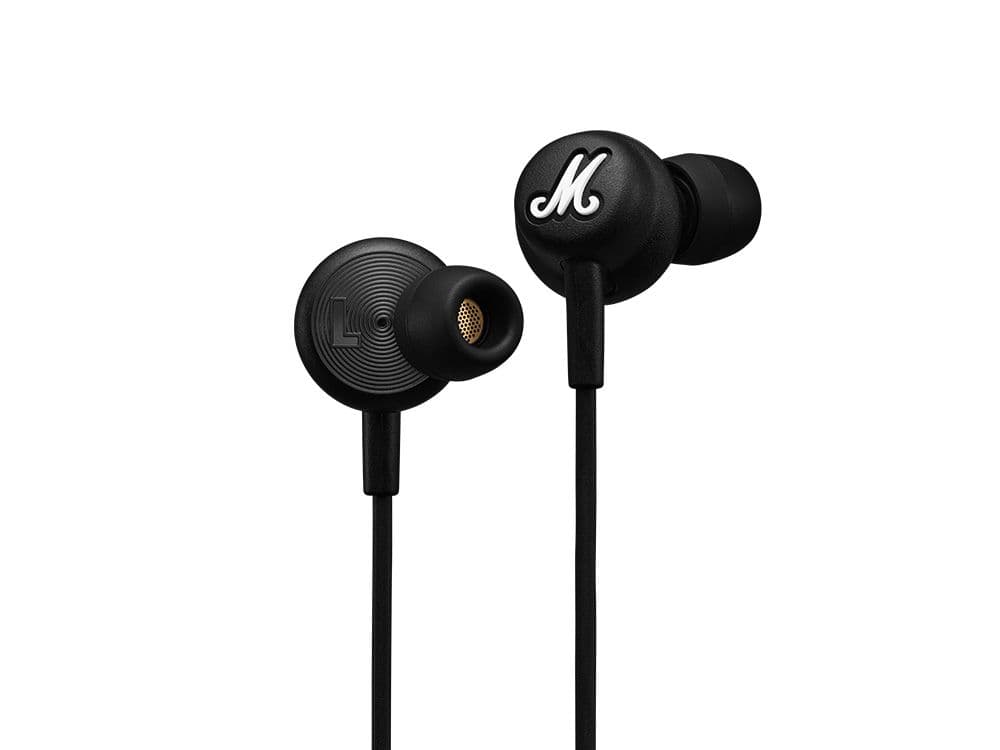
* Marshall releases Mode USB-C wired earphones featuring a USB-C plug, priced at ¥8,990, targeting modern smartphones lacking 3.5mm headphone jacks.