Get the weekly hi-fi digest — new gear, best reads, and deals.

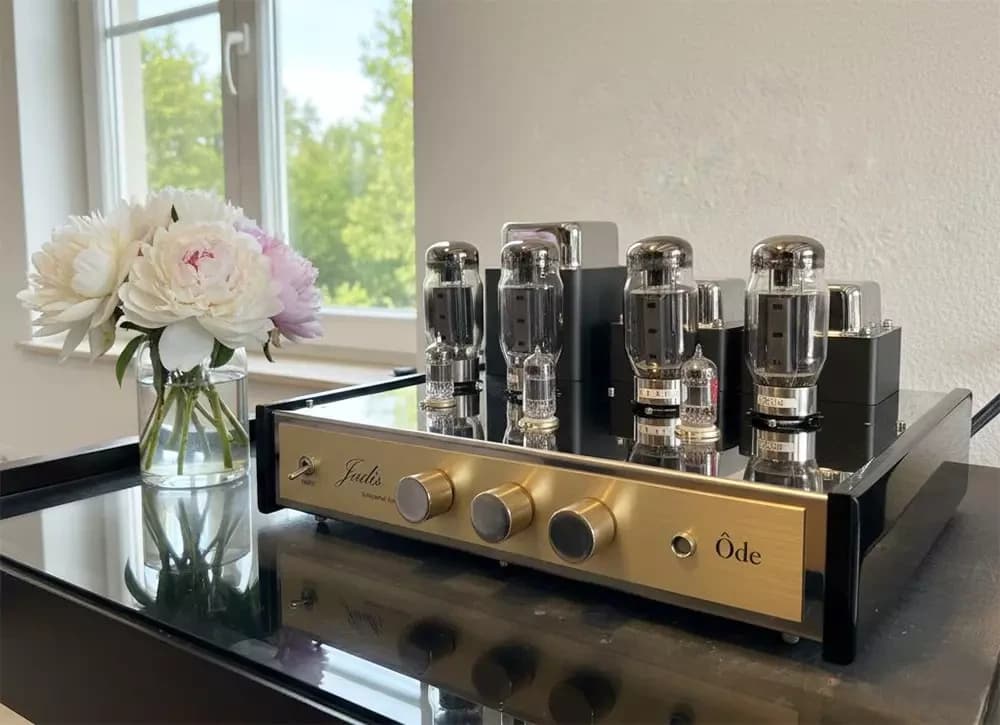
Jadis Electronics introduced the Jadis Óde, a French-made pure Class A integrated tube amplifier replacing the popular I35, emphasizing handcrafted construction and emotional musical reproduction.
The amplifier uses hand-selected KT88 beam tetrodes in a push-pull Class A output stage, delivering 30 W per channel into 4–8 ohms, with optional KT120 tube compatibility.
Frequency response spans 10 Hz–40 kHz (–3 dB), input sensitivity is 300 mV, and input impedance exceeds 100 kΩ, ensuring broad source compatibility.
Positioned as a philosophical successor rather than a like-for-like replacement, the Óde reflects Jadis’ continued commitment to traditional valve topology at a time when many brands are drifting toward hybridization. Forum discussions around Jadis designs often highlight the brand’s oversized power and output transformers, and Óde appears to stay firmly within that lineage. The decision to remain in pure Class A with a push‑pull output suggests a deliberate trade-off: thermal inefficiency and mass in exchange for constant bias stability and the absence of crossover artifacts. This places the amplifier squarely in the camp of listeners who prioritize harmonic density and continuous current delivery over headline efficiency figures.

The choice of KT88 as the baseline output tube will resonate with long-time tube enthusiasts, as it tends to offer a more saturated midband and controlled low-end compared to classic EL34 designs. The optional compatibility with KT120 opens an interesting technical discussion: while electrically similar, KT120s typically allow higher plate dissipation, potentially shifting the amplifier’s presentation toward greater dynamic headroom and firmer bass grip, albeit sometimes at the expense of the KT88’s tonal bloom. This flexibility hints that Jadis has designed conservative operating points and a robust power supply, rather than pushing the tubes to their limits.
From a system-matching perspective, the high input impedance and moderate sensitivity suggest that Óde is unlikely to be fussy about upstream sources, whether modern DACs or traditional line-level analog stages. Audiophile commentary often points out that such designs pair best with speakers of benign impedance curves rather than sheer sensitivity alone, and the Óde’s topology aligns with that thinking. In the broader context of contemporary integrated tube amplifiers, Jadis seems less concerned with feature escalation and more focused on preserving a particular sonic ethos—one rooted in transformer quality, stable biasing, and the belief that emotional coherence is inseparable from conservative, well-understood circuit design.
Newsletter
Get the week's top trending stories, best deals, and new product launches — straight to your inbox.

* BlitzWolf opens preorders for BW-FYE17 wireless earbuds at €23, shipped internationally without import duties, but likely lacking warranty and longer deliver…

* Windows 11 preview build introduces per-device audio volume control, allowing independent adjustment for multiple connected devices, including two headphone…

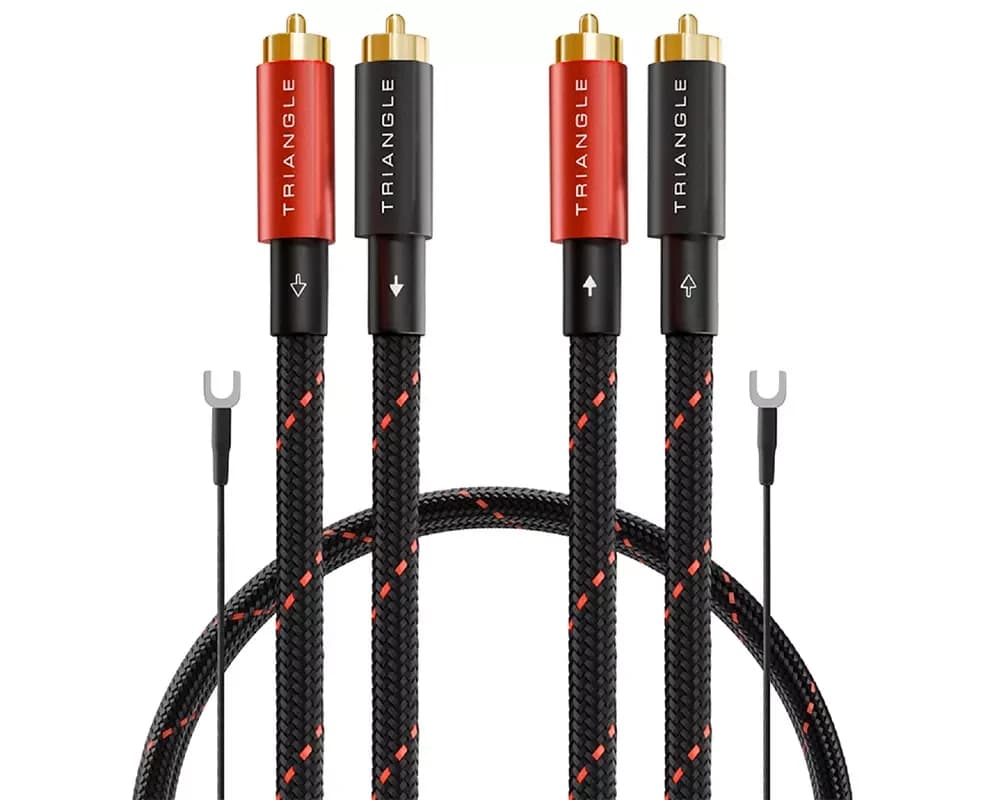
* French audio brand Triangle launched Red and Black Series Hi‑Fi speaker cables, plus new RCA interconnects, targeting both rational Hi‑Fi setups and audiophi…

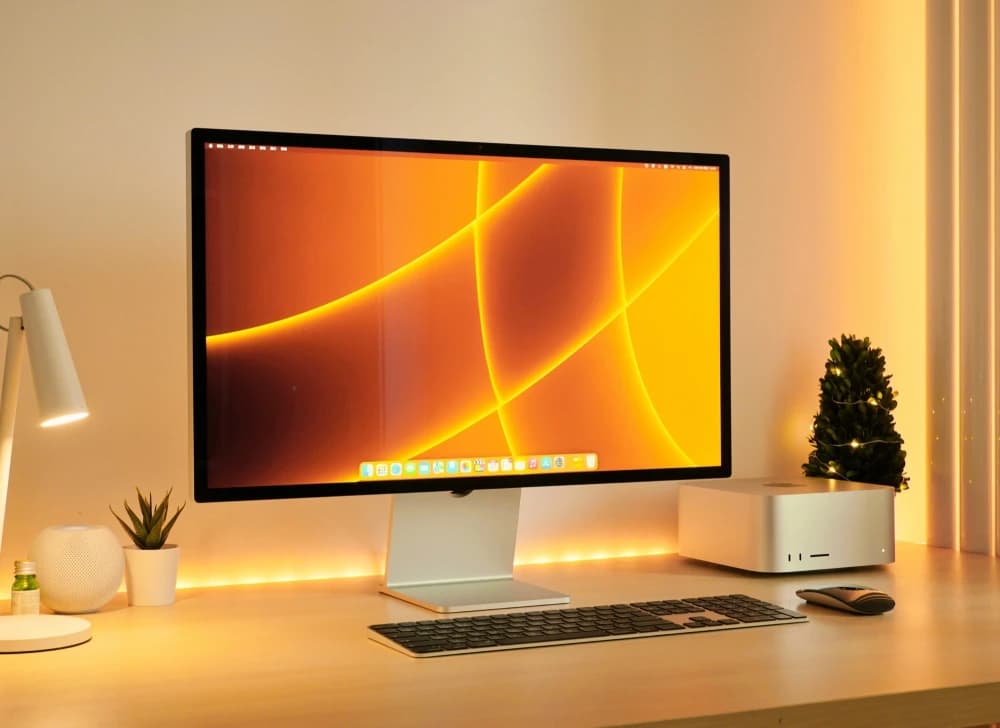
* Apple is expected to unveil next-generation Studio Display monitors at an upcoming event, with internal documents suggesting two distinct models are in devel…