Get the weekly hi-fi digest — new gear, best reads, and deals.

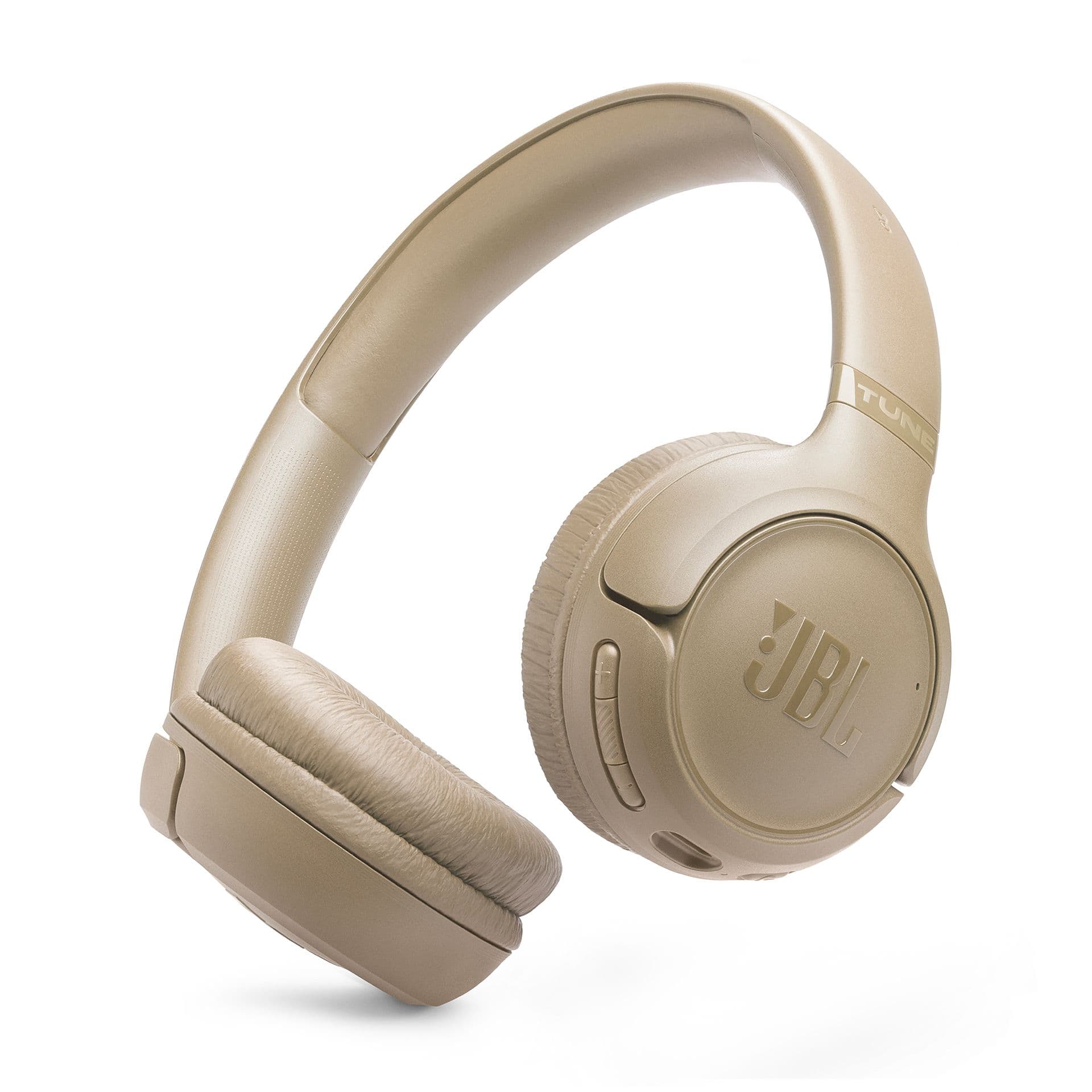
JBL Tune 530BT is an upgraded on-ear wireless headphone launching March 5, priced around ¥8,250, succeeding the Tune 520BT with enhanced battery, connectivity, and design.
Featuring a lightweight 152g foldable body and iconic JBL TUNE styling, it comes in four colors: black, white, lavender, and beige for improved portability and aesthetics.
Equipped with 33mm dynamic drivers delivering JBL Pure Bass sound, focusing on powerful low frequencies and rich audio performance for everyday music listening.
From a technical standpoint, the move to LE Audio is the most consequential update in this generation. LC3 is not just about power efficiency; its psychoacoustic model is designed to preserve transient detail and vocal intelligibility at lower bitrates than legacy SBC, which matters on an on-ear design where isolation is inherently limited. Compared with conventional Bluetooth audio stacks, LC3 also reduces packet loss artifacts in congested RF environments, an advantage that aligns with the product’s everyday, mobile use case. The continued support for AAC alongside LC3 keeps the platform broadly compatible, but the emphasis clearly shifts toward next‑generation Bluetooth rather than squeezing marginal gains from older codecs.

The acoustic profile remains unapologetically “JBL Pure Bass,” yet the on-ear form factor imposes constraints that make driver control and damping more critical than sheer low-end emphasis. Achieving perceived bass weight without the sealing benefits of over-ear cups typically requires careful DSP contouring and midbass management to avoid bleed into the lower mids. That tuning philosophy positions the 530BT closer to a lively, consumer-friendly voicing rather than a neutral reference, but it also suggests an effort to maintain coherence during low-volume listening—an area where smaller on-ear designs often struggle.
Functionally, the integration of dual beamforming microphones and Bluetooth multipoint points to a stronger convergence between music playback and communication use. Beamforming relies heavily on real-time DSP to suppress ambient noise without over-processing the voice band, and its effectiveness often determines whether a headphone feels viable for remote work rather than casual calls only. Meanwhile, multipoint connectivity introduces its own latency and priority-management challenges, but when implemented cleanly it reduces friction between devices. The companion app’s EQ access becomes more than a cosmetic feature here, acting as a corrective tool for listeners who want to rein in bass emphasis or add presence for spoken-word content without relying on system-level audio tweaks.
New gear, best reads, and deals — every Friday.

* Shokz Japan appointed Sakanaction frontman Ichiro Yamaguchi as brand ambassador, launching the collaboratively designed open-ear wireless earbuds, OpenFit 2+…

* Audio Research I/55 is a compact tube integrated amplifier derived from I/70, succeeding I/50, targeting high-end listeners seeking classic tube sound with m…

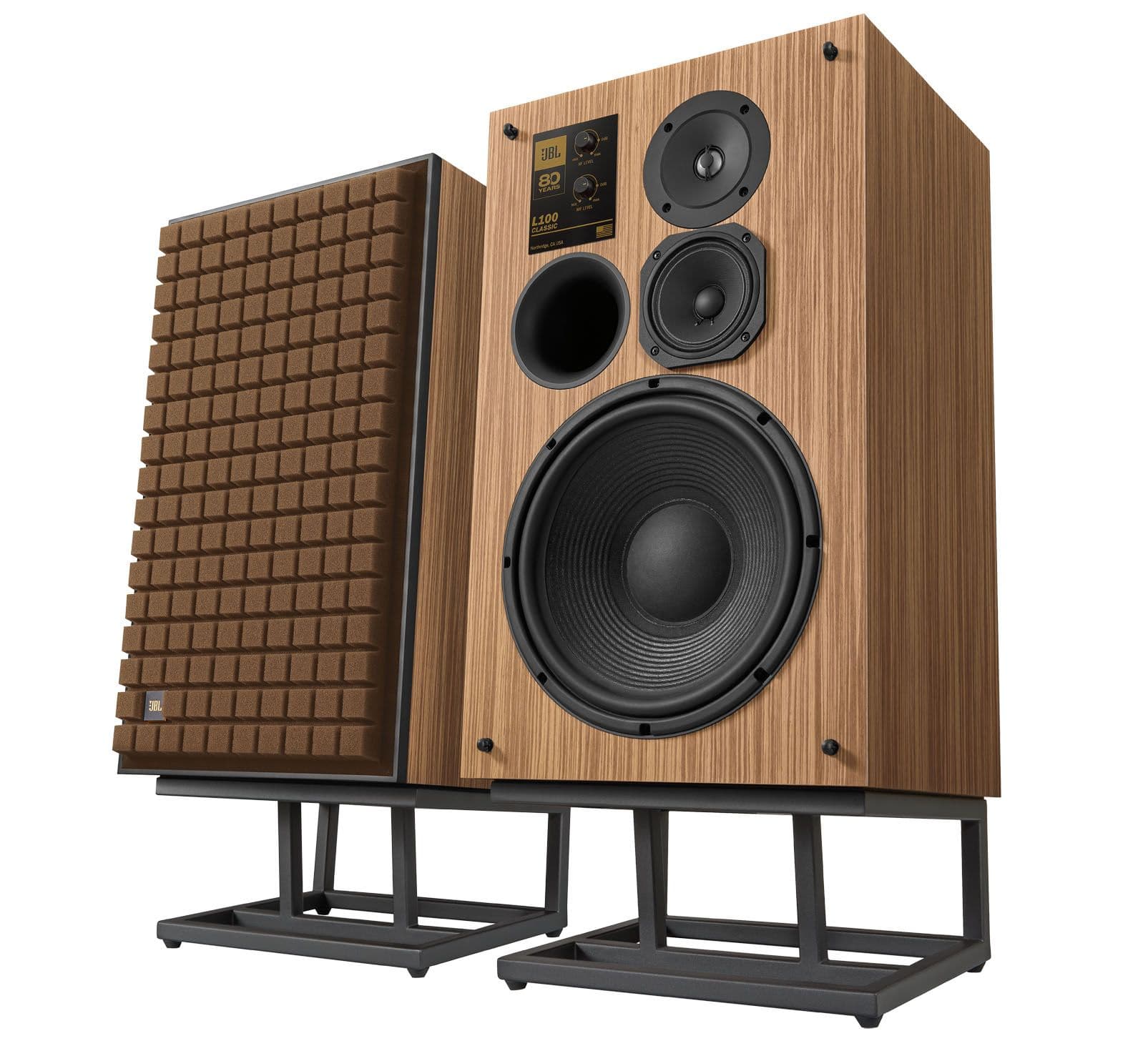
* JBL L100 Classic 80 commemorates JBL’s 80th anniversary, based on the L100 Classic Mk2, with full six-sided oak real-wood veneer cabinetry.

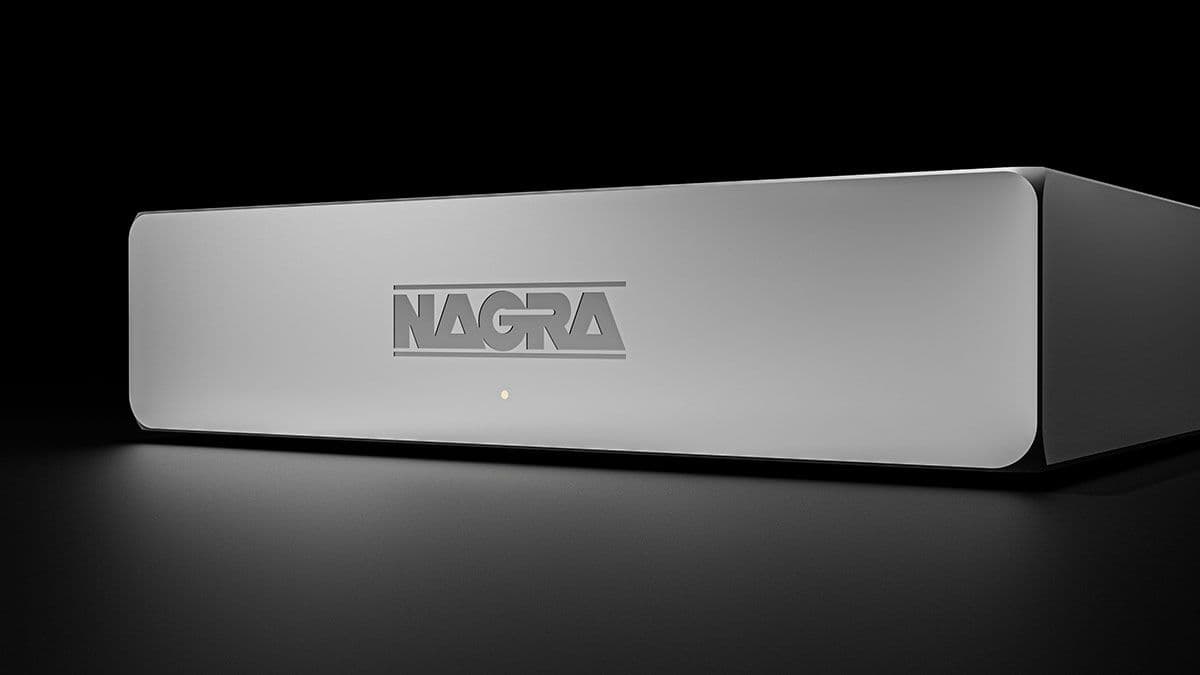
* Nagra Compact Player is a complete high-end digital source integrating advanced streaming, a built-in DAC, and dual-mono analog outputs for improved channel…