Get the weekly hi-fi digest — new gear, best reads, and deals.

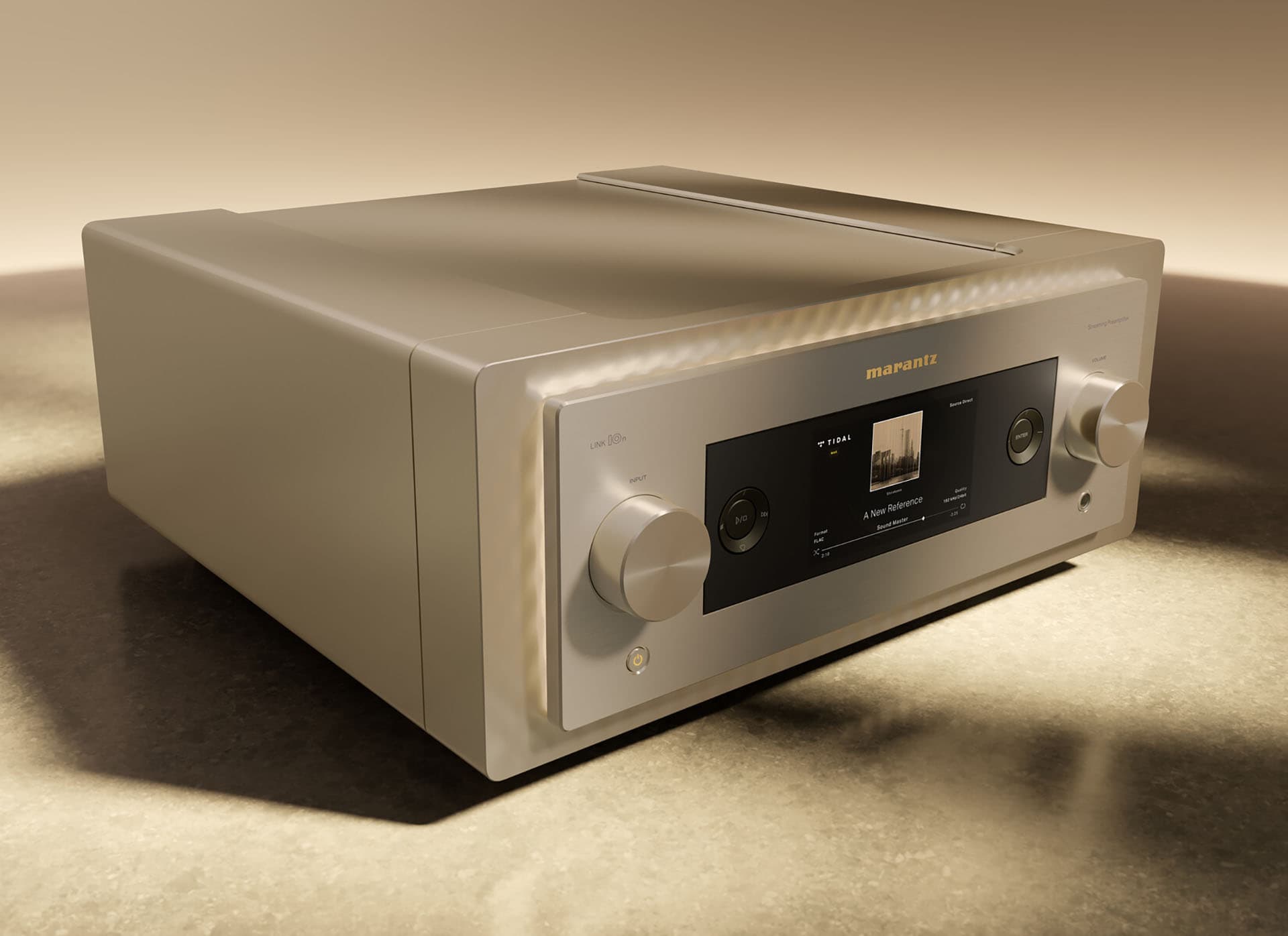
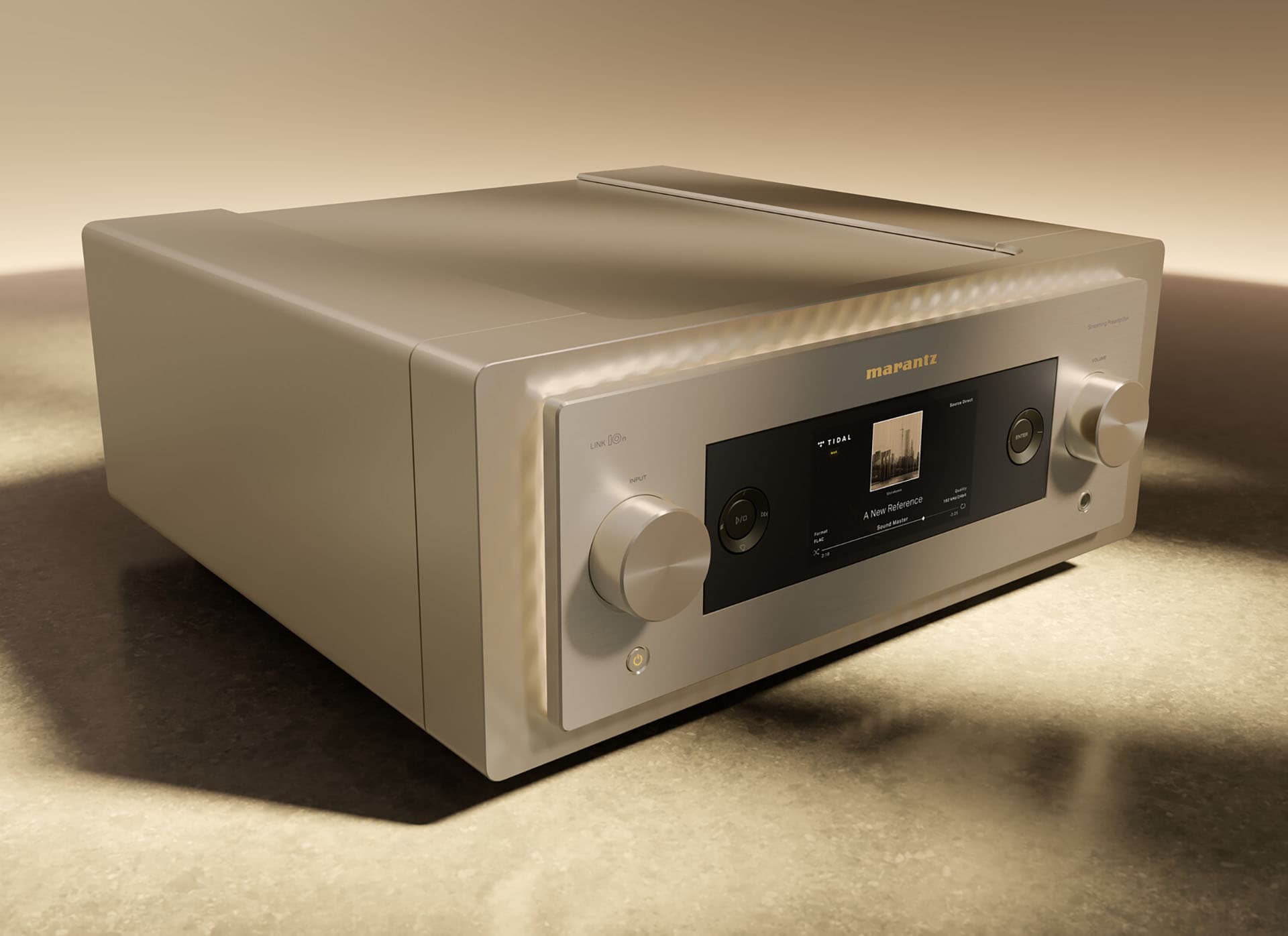
Marantz released a firmware update for its reference streaming preamplifier LINK 10n, enabling DSD 11.2MHz playback via network input and USB memory devices.
The LINK 10n supports native DSD playback, sending DSD signals directly to the DAC without PCM conversion for maximum fidelity and minimal signal loss.
D/A conversion is handled by Marantz Musical Mastering, a proprietary discrete DAC designed to reproduce DSD audio without coloration or degradation.
The interesting angle in this update is not merely the headline sample rate, but what it implies for the LINK 10n’s internal data handling. Allowing ultra‑high‑rate DSD to arrive via Ethernet or removable media places unusual demands on buffering, clock discipline, and noise management upstream of the conversion stage. From an engineering perspective, this suggests that Marantz is confident in the unit’s digital isolation and memory architecture, since DSD at this rate leaves very little margin for timing instability. Network playback at such densities typically exposes weaknesses in packet handling and local clock recovery; enabling it here hints at a design that treats the network interface as a serious source component rather than a convenience feature.
Another point that stands out is how the update reframes the LINK 10n as a convergence device without obvious compromise. The source material emphasizes hardware lineage—borrowing circuit concepts from separate reference components—but the more telling detail is how these elements coexist electrically. Independent transformers for signal domains and a heavily damped, multi‑layer chassis are not just luxury touches; they are essential when combining high‑speed digital processing with a gain stage intended for statement‑level analog performance. Audiophiles often debate whether “all‑in‑one” designs inevitably blur priorities, yet the physical and electrical partitioning here argues for a more modular mindset under a single enclosure.
Finally, the discussion around the analog stage components points to a philosophy that values current delivery and linearity over integrated convenience. Discrete gain modules and balanced signal paths are costly and space‑intensive, but they allow fine control over bandwidth and transient behavior—qualities that become especially audible when fed with high‑density program material. Seen this way, the firmware update is less a feature add and more a signal that the original hardware was specified with headroom to spare, ready to accommodate formats that push well beyond mainstream streaming norms.
Newsletter
Get the week's top trending stories, best deals, and new product launches — straight to your inbox.

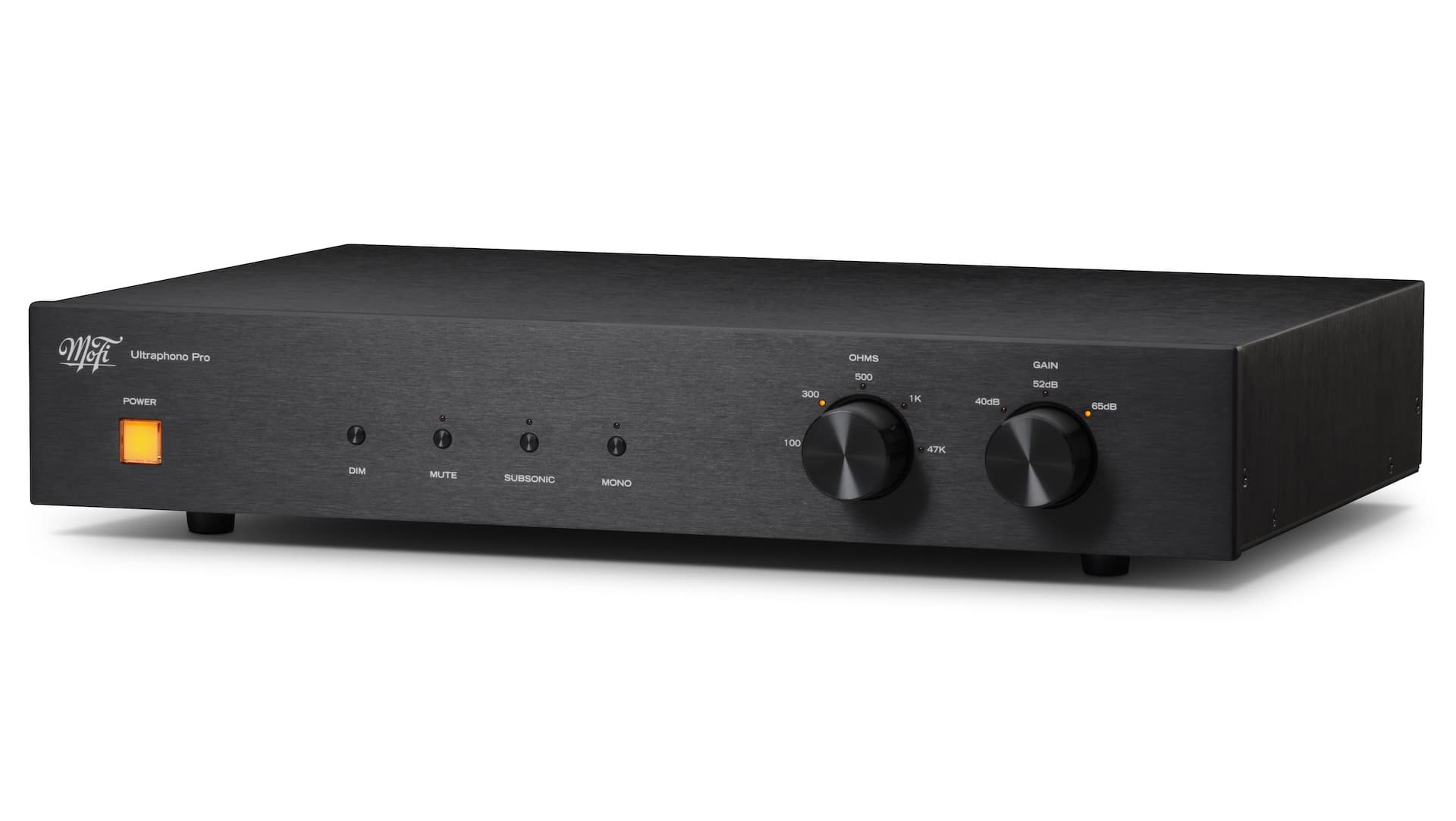
* Mobile Fidelity introduces UltraPhono Pro, a purist phono preamp derived from the flagship MasterPhono, designed to deliver core circuit quality at a lower e…

* Marantz released a firmware update for its reference streaming preamplifier LINK 10n, enabling DSD 11.2MHz playback via network input and USB memory devices.

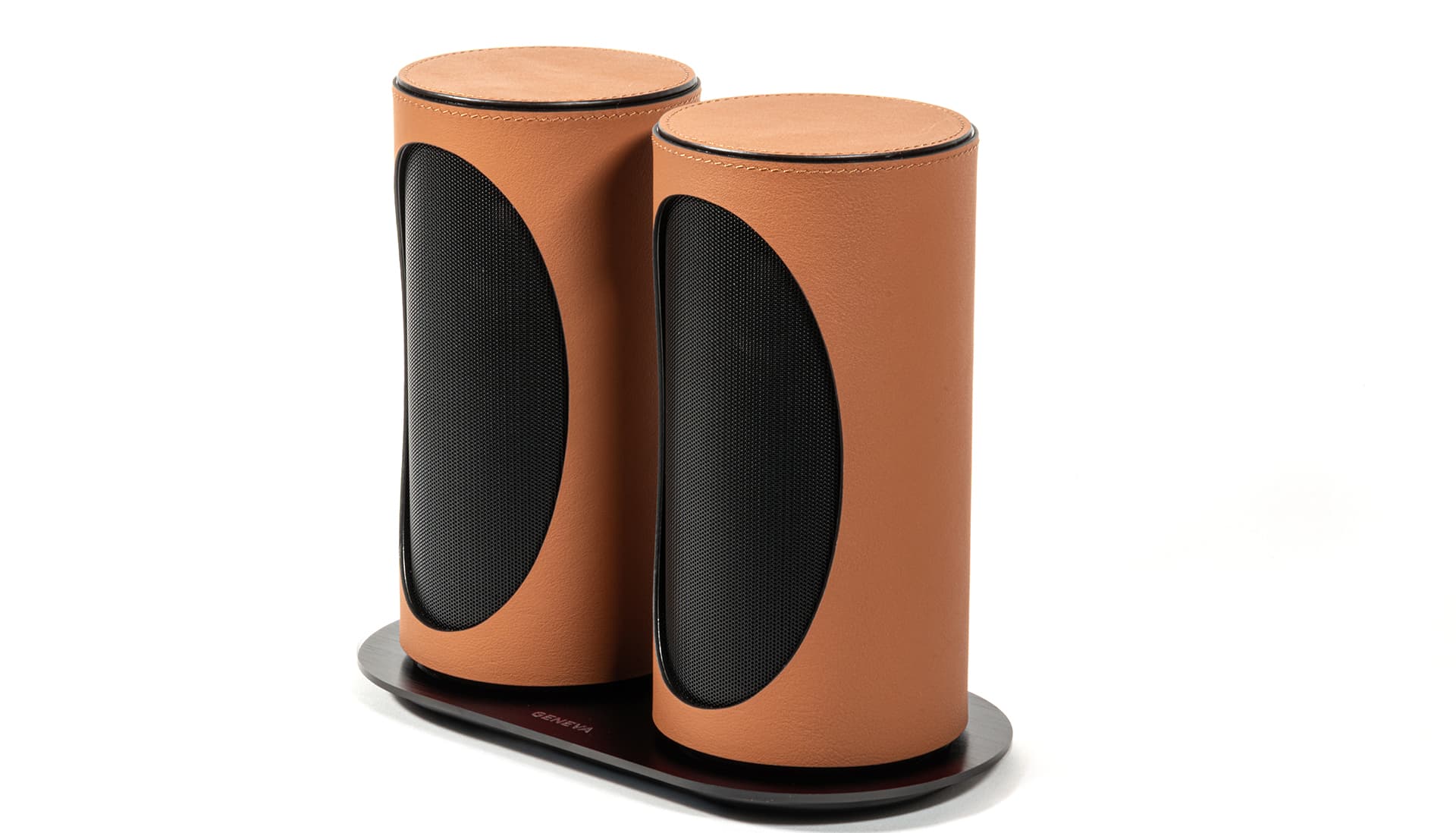
* Swiss audio brand GENEVA launches the Duo portable Bluetooth speaker stereo pair, priced at ¥69,300, with early sales starting March 4 at Isetan Shinjuku.

* Japanese audiophile label Esoteric releases three new SACD titles, continuing its established formula of two classical recordings and one jazz album per seri…