Netflix Begins Streaming Mobile Suit Gundam ZZ Worldwide
By HiFi Editorial17 February 2026
Key Highlights
Netflix began streaming Mobile Suit Gundam ZZ on February 16, expanding its Gundam catalog with a direct sequel set after the Gryps Conflict.
The series follows Bright Noa commanding the Argama cruiser, recruiting junk dealer youths led by Judau Ashta as mobile suit pilots.
Story centers on the First Neo Zeon War, pitting the ZZ Gundam against Haman Karn’s Neo Zeon forces.
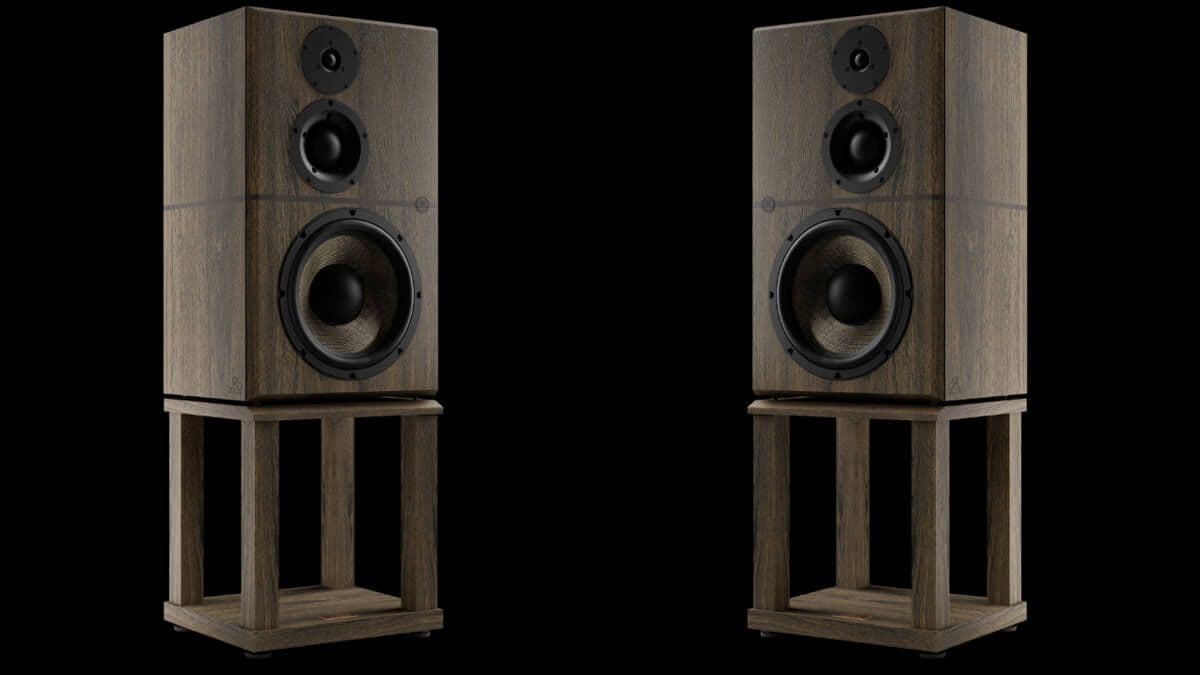
From a technical standpoint, Gundam ZZ lands on Netflix as a markedly different audiovisual artifact compared with more modern UC entries. Produced in the mid‑1980s, the series carries the hallmarks of analog-era television mastering: softer line resolution, visible cel grain, and a comparatively narrow color gamut that favors pastel midtones over high-contrast blacks. For viewers running calibrated displays, the encode rewards careful brightness and gamma tuning rather than brute-force HDR settings. Audio-wise, the original broadcast mix leans toward a front-heavy stereo image with modest dynamic swing, prioritizing dialogue intelligibility over explosive transient impact—closer to a well-preserved TV master tape than a theatrical remix.
There is also an interesting contrast between how Netflix positions ZZ alongside newer Gundam content and how the series itself handles sound design. Mechanical effects are less layered and occupy a tighter frequency band, often clustering in the midrange where beam rifle shots and alarm cues coexist. This can feel congested on revealing speakers, yet it also preserves a cohesive tonal identity that later digital productions sometimes lose through excessive low-end augmentation. Music cues, driven by synth and orchestral hybrids of the era, exhibit gentle compression and minimal sub-bass, making them surprisingly forgiving on smaller listening setups while still benefiting from clean amplification and low noise floors.
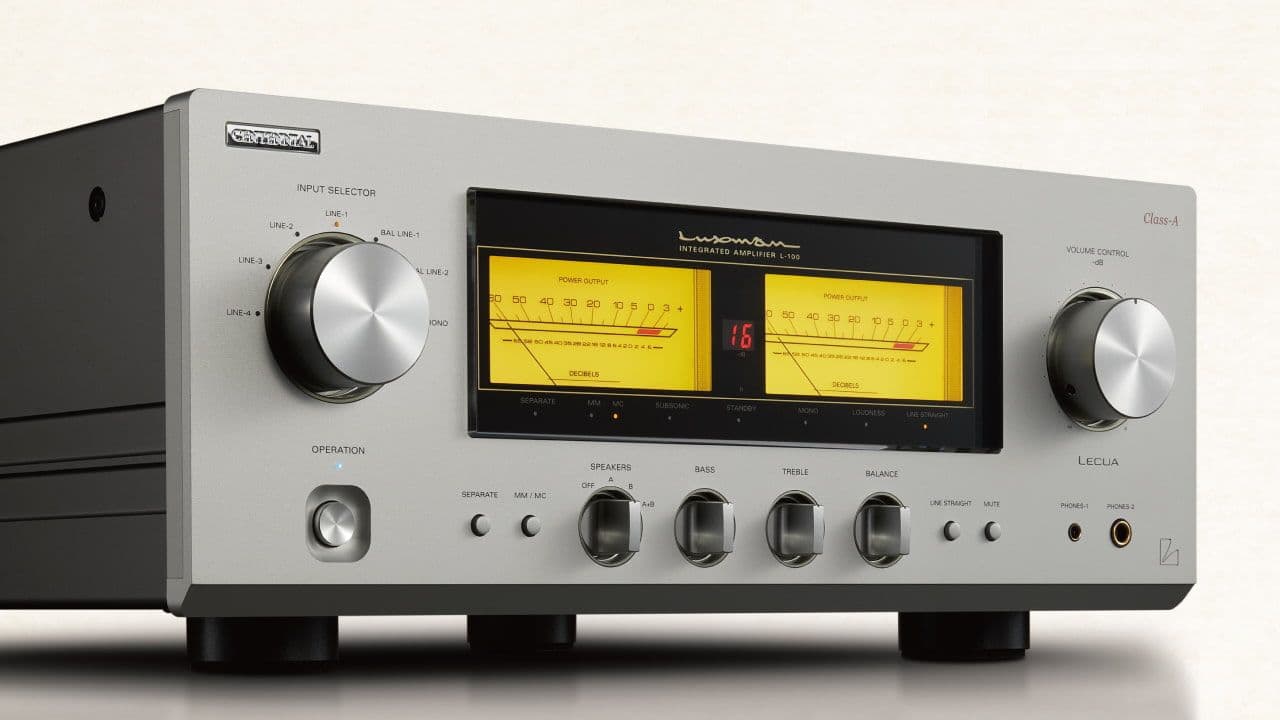
What emerges from this addition is not just another catalog title, but a case study in how legacy anime translates into contemporary streaming pipelines. ZZ’s technical limitations are part of its character, and Netflix’s presentation underscores that rather than attempting aggressive modernization. For hi-fi enthusiasts, the appeal lies in hearing how disciplined playback—neutral DACs, controlled room acoustics, and restraint with DSP—can extract nuance from an older mix, revealing texture and intent that casual viewing often glosses over.
HiFi Weekly Digest
New gear, best reads, and deals — every Friday.