Get the weekly hi-fi digest — new gear, best reads, and deals.

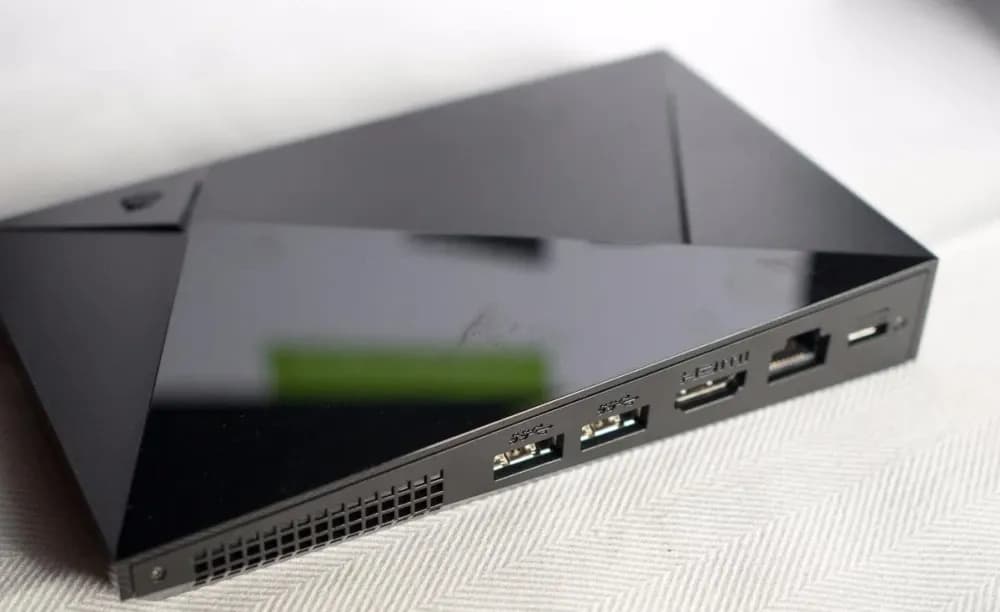
NVIDIA has started rolling out Shield Experience Upgrade 9.2.4, a minor update focused on bug fixes rather than introducing major new features.
The update fully resolves long-standing Disney+ playback issues on Shield TV, improving stability beyond partial fixes delivered in version 9.2.2.
Sleep mode reliability is significantly improved, preventing spontaneous wake-ups when HDMI-CEC devices like TVs are connected to Shield TV.
What makes this firmware interesting is not the checklist of fixes, but where NVIDIA chose to intervene in the stack. The changes point to low‑level work in Android TV’s media pipeline rather than app‑side patching. Persistent streaming failures usually trace back to DRM handshakes (Widevine L1) and timing conflicts between the SoC video decoder and app-level buffering. By addressing the root of the playback chain instead of masking it with app updates, NVIDIA is clearly prioritizing signal integrity and clock stability—concepts audiophiles know well from jitter-sensitive DACs. The result is a cleaner, more deterministic media path that behaves consistently across codecs and streaming services.
Equally telling is the attention paid to power-state management. HDMI‑CEC issues typically arise from ambiguous wake signals bouncing between devices, especially when multiple endpoints try to assert control. The fix suggests tighter CEC arbitration and improved suspend-state isolation at the kernel level, likely reducing stray interrupts that previously caused unintended wake cycles. From a rack-integration standpoint, this brings the Shield closer to the behavior expected of dedicated AV transports, where standby truly means quiescence, not a background negotiation storm over HDMI.
Peripheral stability also benefits from deeper tuning. Bluetooth HID dropouts and post‑sleep reconnection failures usually indicate flaws in how the system reinitializes radio firmware and input device profiles after suspend. Addressing this without increasing latency is non-trivial, especially on aging hardware. That NVIDIA continues to refine these subsystems years into the product lifecycle speaks to a maintenance philosophy more common in high-end audio brands than in consumer streaming boxes—treating the device less like a disposable smart gadget and more like a long-term component in a reference system.
New gear, best reads, and deals — every Friday.

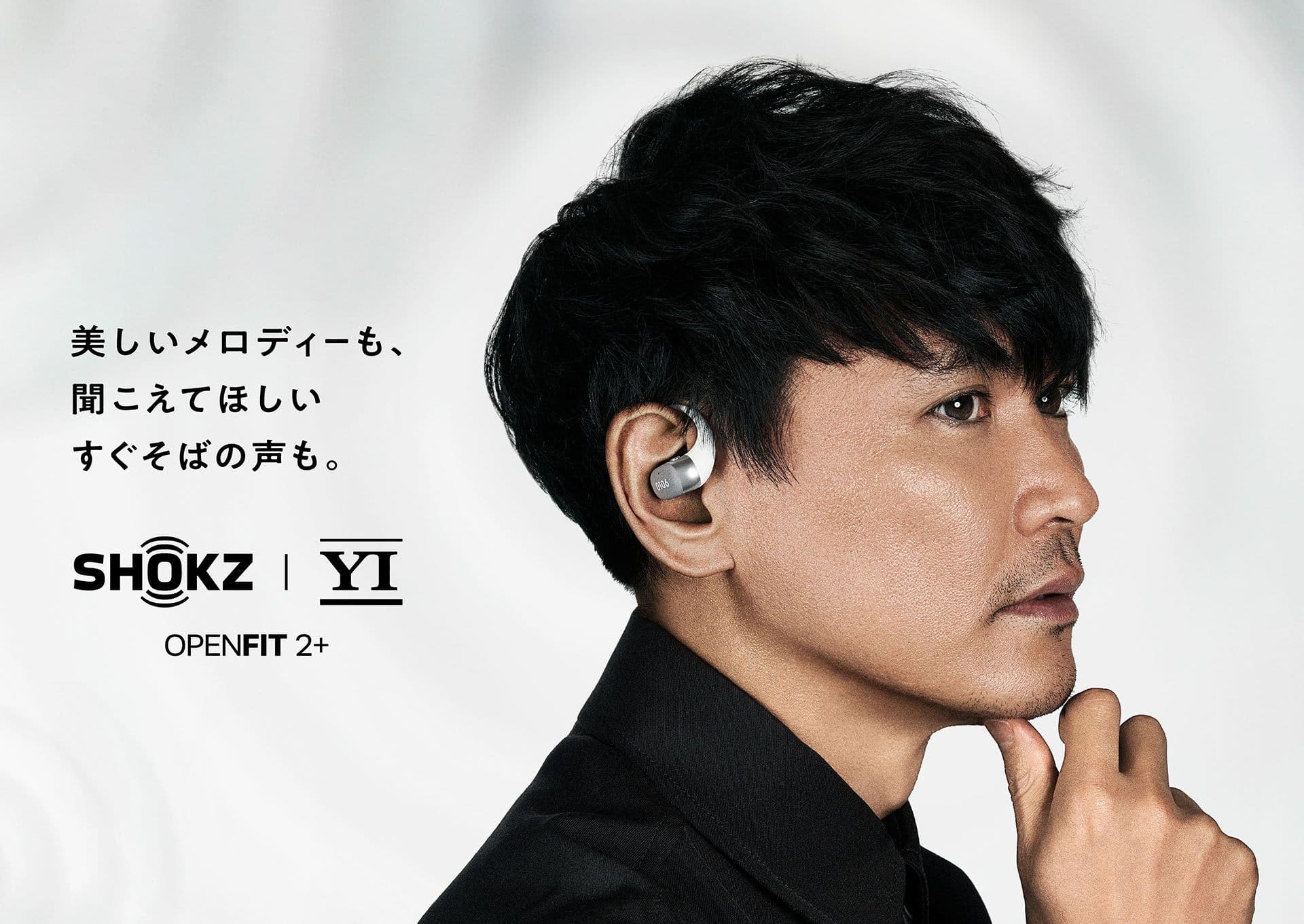
* Shokz Japan appointed Sakanaction frontman Ichiro Yamaguchi as brand ambassador, launching the collaboratively designed open-ear wireless earbuds, OpenFit 2+…

* Munich launches the inaugural Munich HiFi Days in March, filling the gap left by the departed international High End trade show.

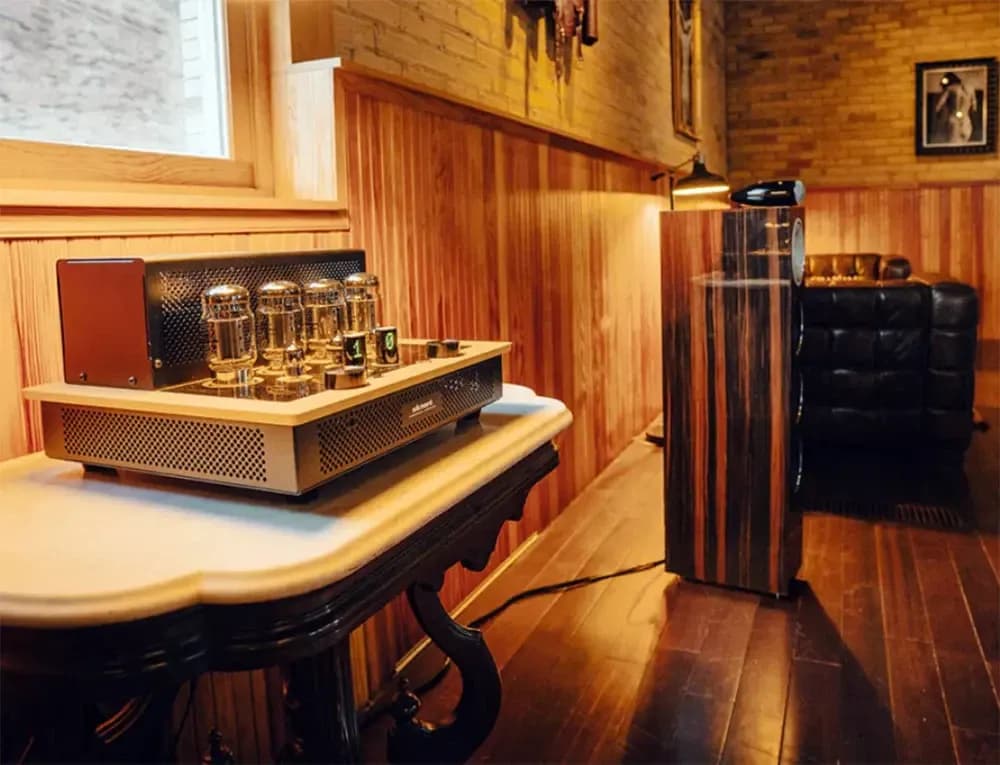
* Audio Research I/55 is a compact tube integrated amplifier derived from I/70, succeeding I/50, targeting high-end listeners seeking classic tube sound with m…

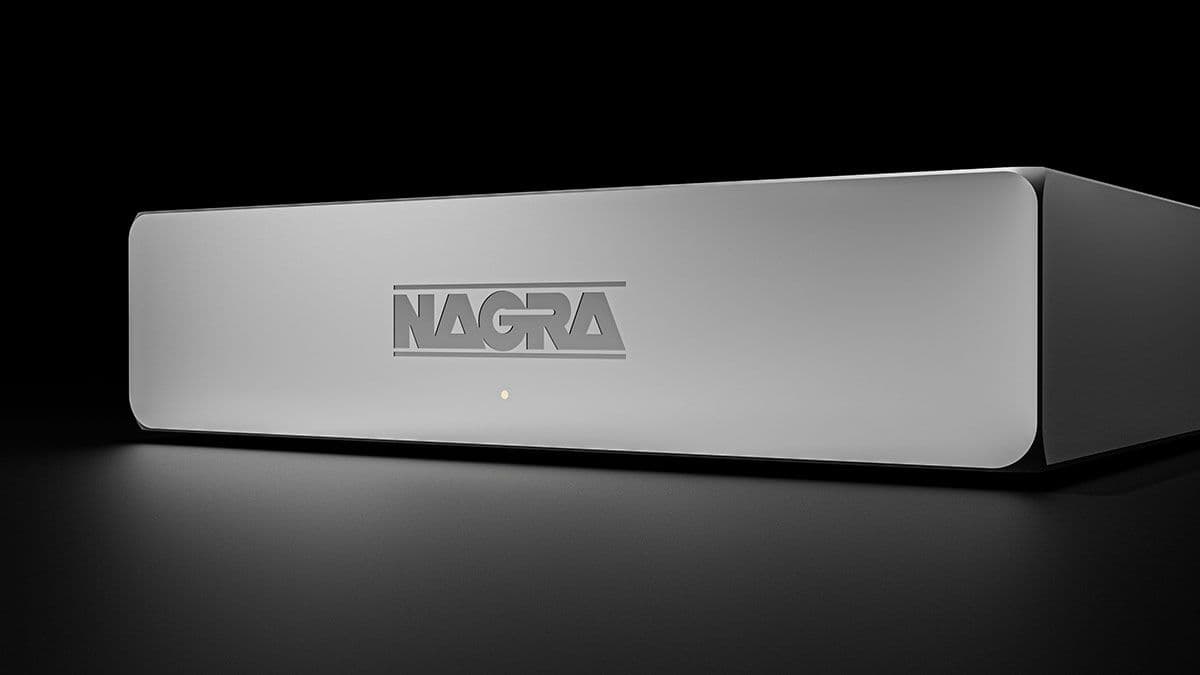
* Nagra Compact Player is a complete high-end digital source integrating advanced streaming, a built-in DAC, and dual-mono analog outputs for improved channel…