Get the weekly hi-fi digest — new gear, best reads, and deals.

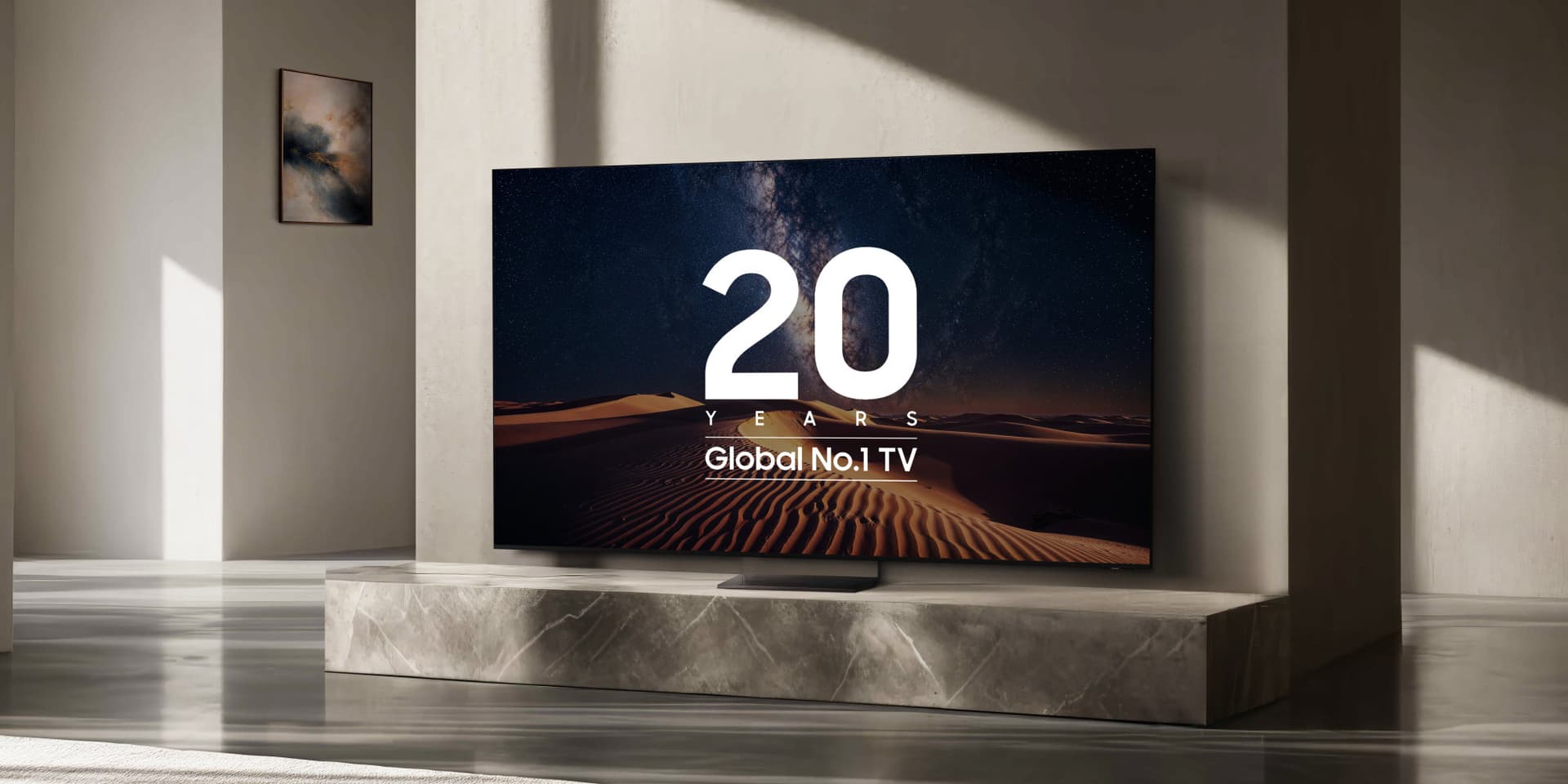
Samsung celebrates 20 consecutive years as global TV market leader, citing Omdia data showing a dominant 29.1% worldwide market share.
Recent innovations include QD-OLED flagship S95F, new Micro-RGB LCD TVs with RGB Mini-LED backlighting, and continued Neo QLED and The Frame lines.
Samsung highlights milestones like first QLED TVs with Quantum Dots in 2017, early 8K TVs in 2018, and ultra-premium Micro-LED models.
Beyond the headline-grabbing victory laps, Samsung’s current TV strategy is really about hedging display physics. The Korean giant is no longer betting on a single emissive or transmissive ideology, but instead tuning image processing pipelines to suit very different panel behaviors. QD-based OLED excels at color volume and peak saturation without aggressive white subpixel dilution, while RGB Mini‑LED LCD counters with brute-force luminance stability and longer-term burn-in immunity. What tends to get overlooked is Samsung’s strength in video processing silicon: motion interpolation, near‑black handling, and dynamic tone mapping are tightly optimized for each panel class, resulting in a “house sound” that favors punch and immediacy over strict reference restraint. That approach resonates with mainstream buyers, even if purists sometimes prefer the calmer roll-off and grayscale discipline seen from Japanese competitors.
From a technical purist’s angle, the ongoing refusal to support certain HDR formats is less a licensing issue and more a philosophical one. Samsung’s processing stack is built around metadata-light workflows that allow its algorithms to stay in control, rather than deferring creative intent to external dynamic instructions. This contrasts sharply with rivals who lean heavily on scene-by-scene metadata and studio-aligned mastering pipelines. The result is a clear divergence in how highlights are clipped, how specular detail is preserved, and how aggressively TVs chase headline brightness numbers. On forums, this is often described as “showroom tuning versus mastering monitor DNA,” and neither camp is objectively wrong—it’s a matter of signal chain priorities.
Where competitive pressure becomes tangible is not just in panel tech, but in system integration and cost efficiency. Chinese brands have closed the gap in backlight zoning density, local dimming algorithms, and SoC performance at a pace that leaves little room for complacency. Partnerships with legacy imaging brands further blur the old hierarchy between “volume players” and “premium specialists.” Samsung still benefits from scale, silicon expertise, and vertical integration, but the conversation has shifted: dominance is no longer defined by selling the most screens, but by who controls the full audiovisual experience—from photon to processor to platform—without alienating enthusiasts who increasingly read spec sheets like vinyl deadwax.
Newsletter
Get the week's top trending stories, best deals, and new product launches — straight to your inbox.

HiFi.De
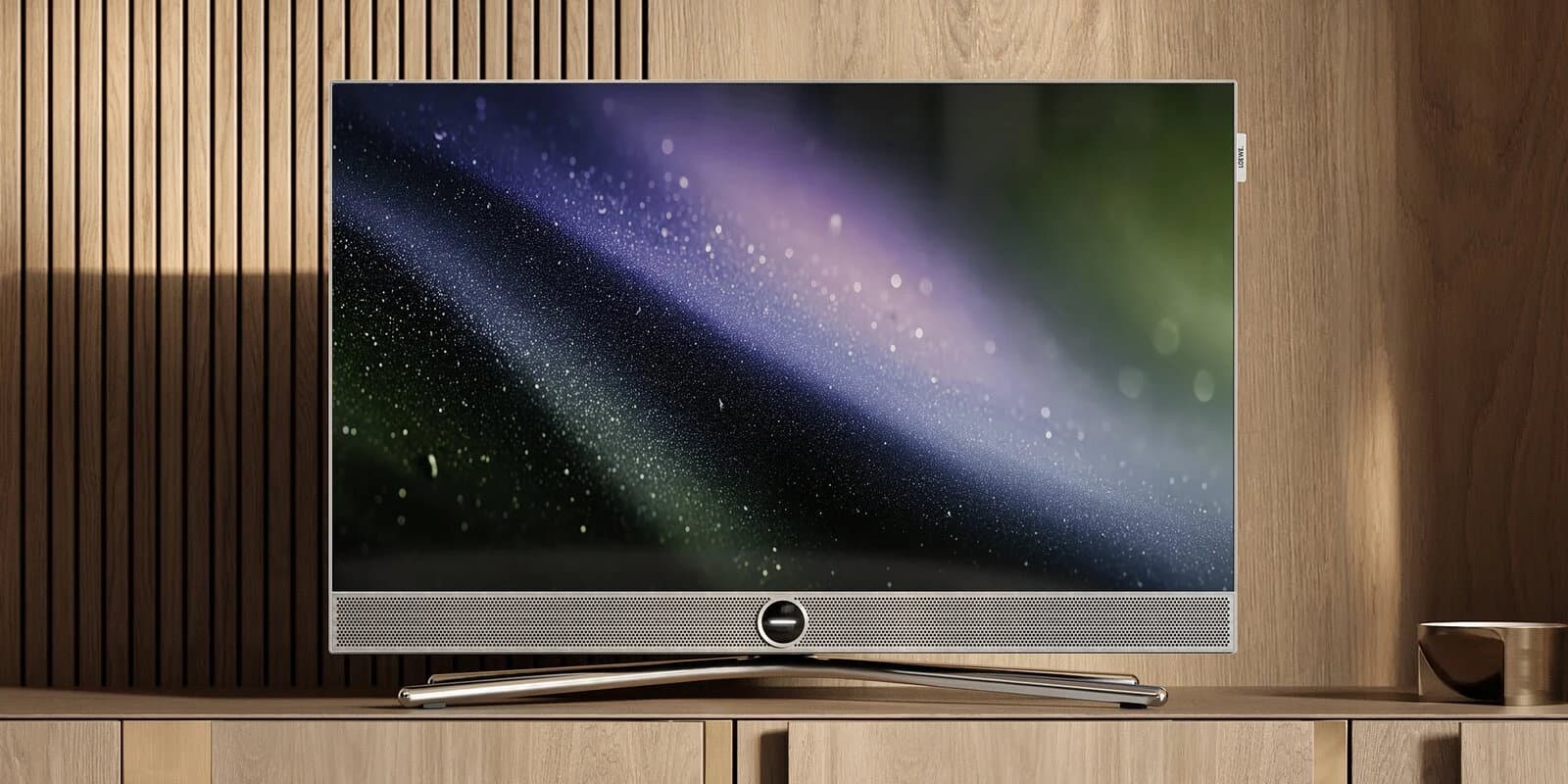
* Loewe introduces the new vega sub-brand with compact 32-inch and 43-inch Smart TVs offering full 4K resolution (3840×2160), uncommon at these smaller sizes.

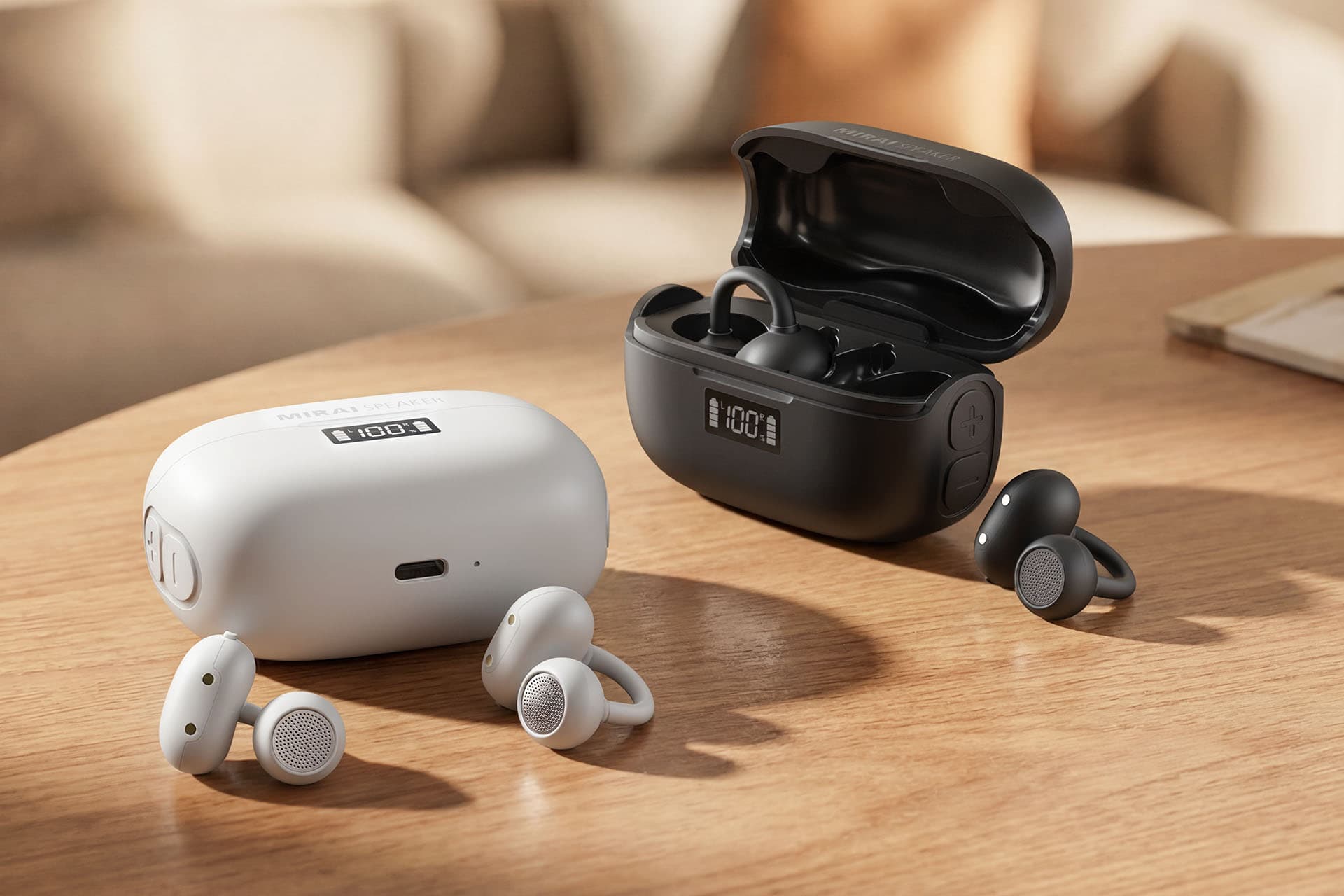
* MIRAI SPEAKER Ear and Ear Lite are open-ear earcuff-style sound amplifiers launching March 13 on GREEN FUNDING, priced at ¥39,600 and ¥29,700 respectively.

T3 Audio
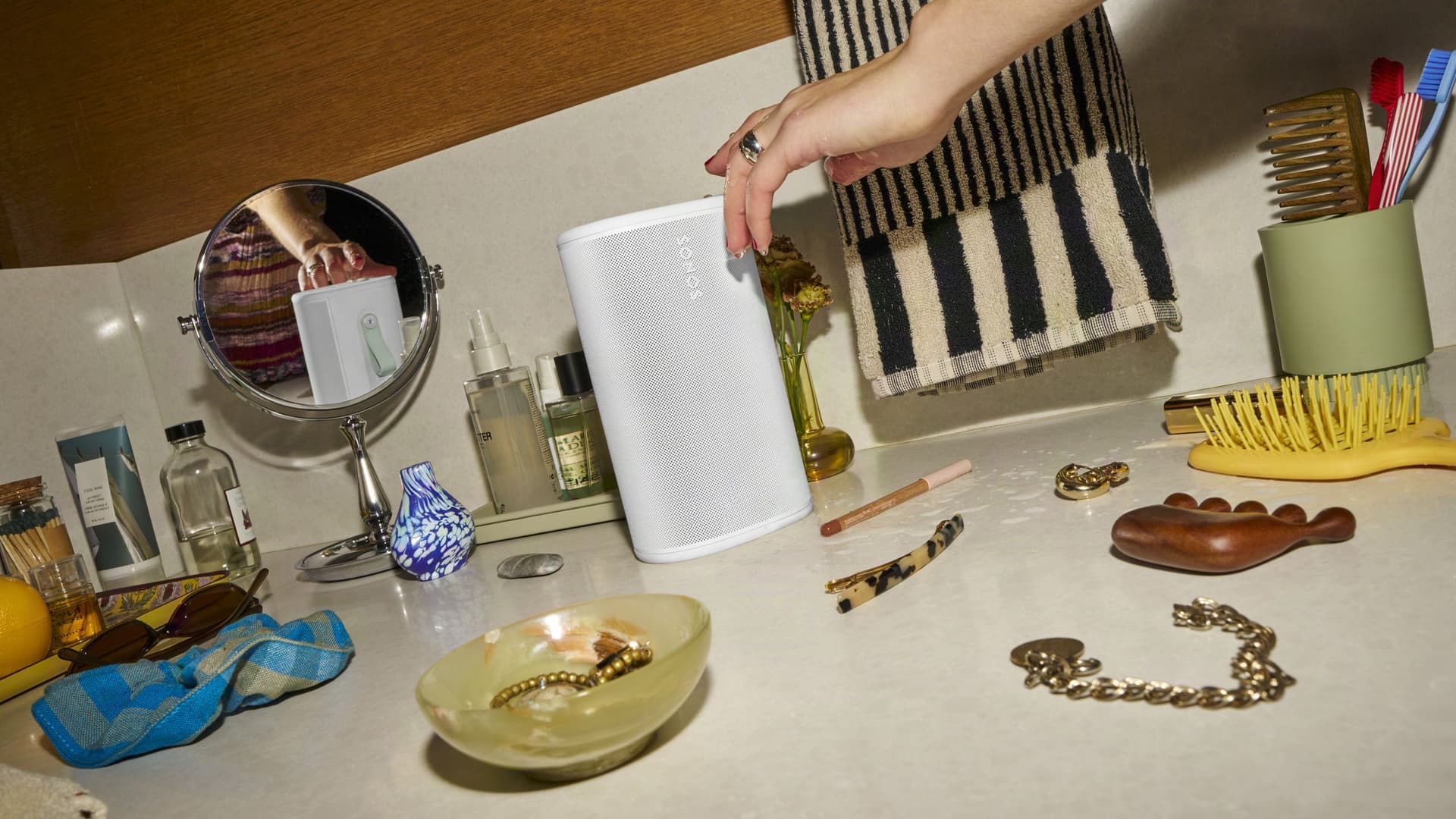
* Sonos introduced two new speakers, signaling a renewed focus on multi-room audio with expanded formats, blending portable Bluetooth use and traditional home…

HiFi.De
* Samsung celebrates 20 consecutive years as global TV market leader, citing Omdia data showing a dominant 29.1% worldwide market share.