Get the weekly hi-fi digest — new gear, best reads, and deals.

At MWC 2026, TCL CSOT debuts Super Pixel display technology targeting sharper images and significantly lower power consumption versus conventional OLED SPR panels.
Super Pixel requires only 1.8% more subpixels than standard designs, yet improves perceived sharpness by avoiding complex subpixel rendering conversions.
By simplifying pixel structure, controller workload is reduced, cutting energy consumption by up to 25% and enabling refresh rates roughly 40% higher.
From a signal‑path perspective, Super Pixel looks less like a brute‑force resolution trick and more like a cleanup of the entire pixel addressing chain. Conventional OLED SPR panels rely heavily on subpixel sharing and algorithmic color reconstruction, which is fine on spec sheets but introduces interpolation artifacts that seasoned display nerds often compare to aggressive digital filters in DACs. By restructuring how RGB information is physically mapped, TCL CSOT effectively shortens the “digital cable” between framebuffer and emitter. The controller no longer has to juggle neighboring subpixels to synthesize color, which reduces internal processing stages and timing complexity. The practical implication is not just crisper edges, but more stable luminance at fine detail—especially noticeable on text and high‑contrast UI elements where SPR panels can look slightly phasey.
There is also an interesting systems‑level angle here. With less controller overhead, panel drive electronics can operate with simpler timing tables and lower switching losses. That opens headroom for higher scan frequencies without proportionally increasing thermal load, something display engineers have struggled with as refresh rates climb. In enthusiast terms, it’s akin to lowering jitter in a digital transport before worrying about the DAC itself. The panel becomes a more predictable load, which benefits everything upstream—from SoC power management to display driver IC design.
The move to inkjet‑printed OLED on a Gen 8.6 line reinforces this philosophy of simplification. Unlike vacuum deposition, IJP allows emissive materials to be placed only where needed, reducing dead zones between subpixels and enabling true RGB stripe layouts without complex masking. A larger effective emissive area means lower drive current for the same brightness, which directly improves efficiency and potentially longevity. From a purist viewpoint, Real Stripe RGB is the display equivalent of discrete components instead of clever multiplexing: less compromise, cleaner fundamentals, and fewer corrective measures downstream. Taken together, Super Pixel and IJP OLED suggest TCL CSOT is targeting not just better specs, but a more elegant signal and energy flow from source to eye.
New gear, best reads, and deals — every Friday.

HiFi.De
* Disney+ has completely removed HDR support, including HDR10, HDR10+, and Dolby Vision, due to an ongoing patent dispute affecting all subscription tiers.

* Munich launches the inaugural Munich HiFi Days in March, filling the gap left by the departed international High End trade show.

* Starting in 2026, Dirac Live software licenses will be sold in-person at HiFi Klubben stores across Denmark, Norway, Sweden, Germany, and the Netherlands.

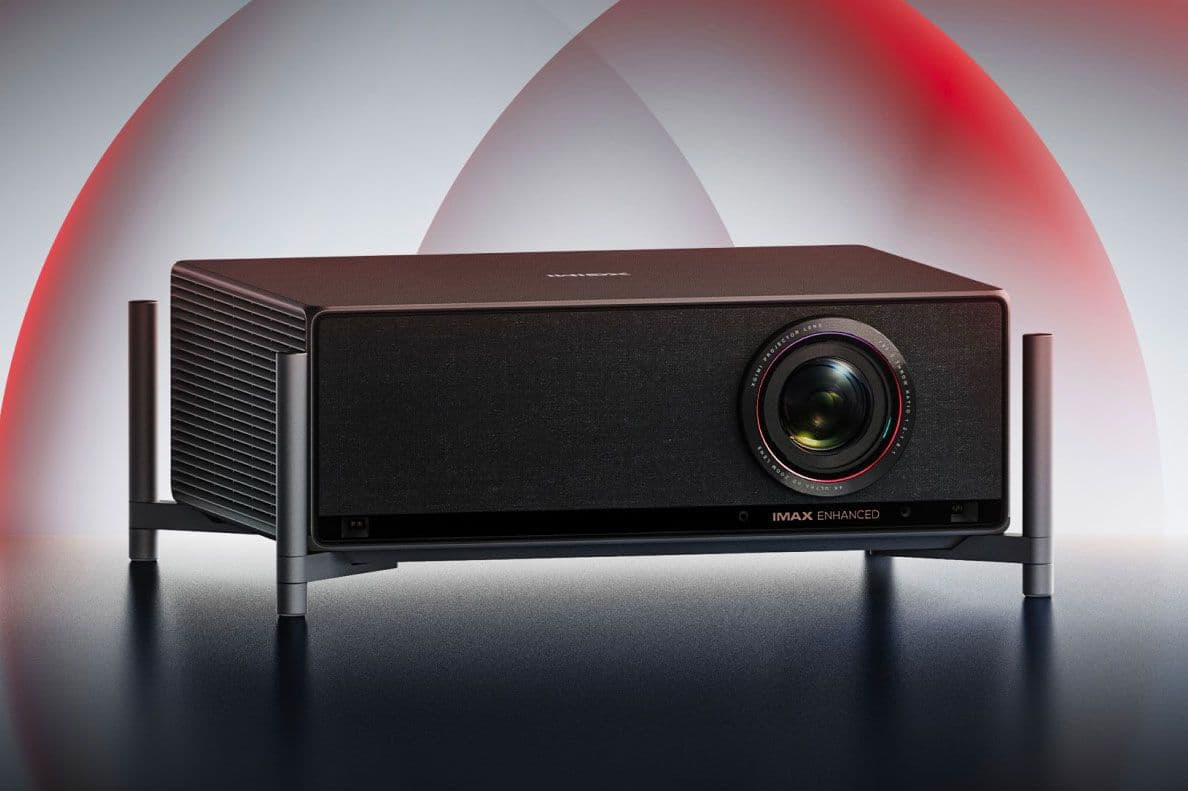
* XGIMI launched its first professional-grade 4K laser projector, TITAN, on February 27 for ¥698,000, with a limited-time discounted price of ¥598,000.