Get the weekly hi-fi digest — new gear, best reads, and deals.

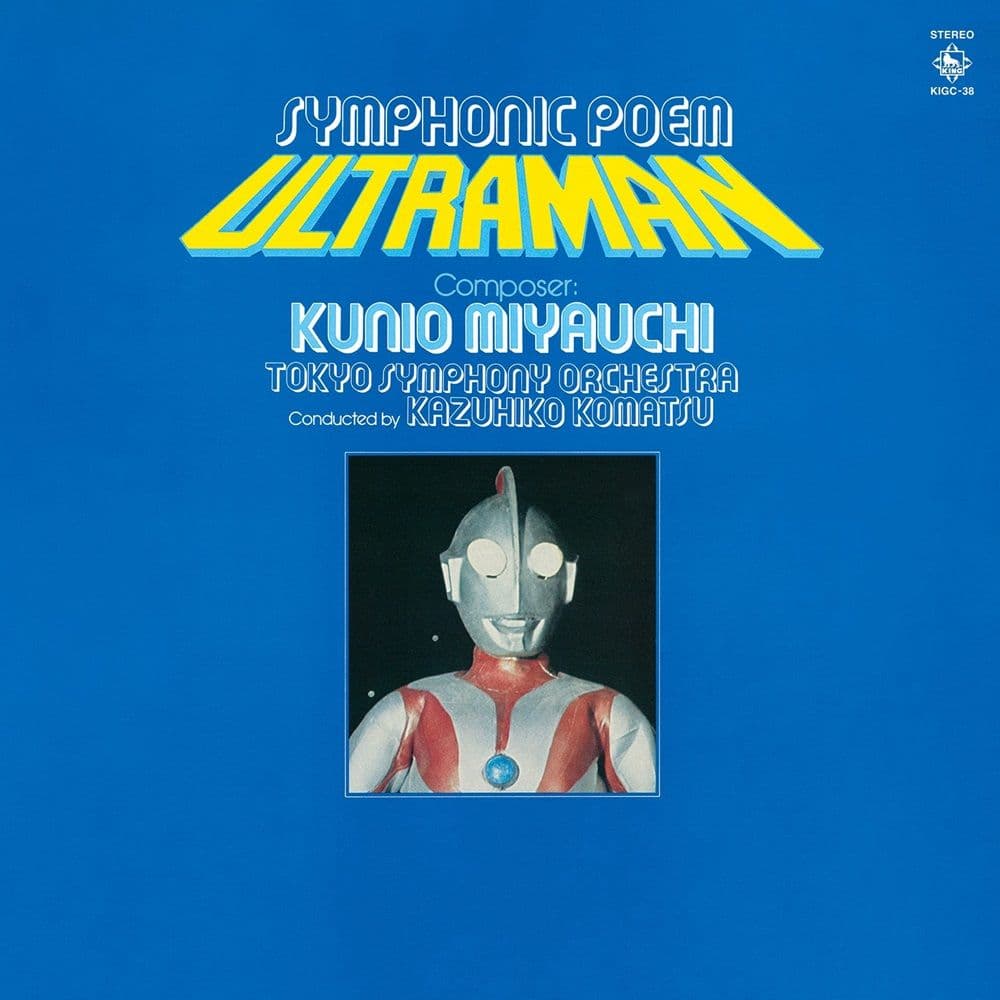
A free two-part talk and listening event celebrates the SACD Hybrid release of “Symphonic Poem Ultraman/Ultra Seven” on March 15 in Akihabara.
Originally released as a 1979 LP, the orchestral work features Tokyo Symphony Orchestra conducted by Kazuhiko Komatsu, recorded December 3, 1978 in Fussa.
The SACD Hybrid commemorates composer Tohru Fuyuki’s 90th birthday and Kunio Miyauchi’s 20th anniversary, remastered from original master tapes using latest technology.
What makes this SACD Hybrid intriguing from an audiophile standpoint is not nostalgia, but the way late‑1970s Japanese orchestral recording practices translate into modern high-resolution formats. The original multitrack balance and mic placement were designed for LP constraints—headroom management, string sheen under analog tape saturation, and a midband-forward orchestral image. Recent commentary from production-side sources emphasizes that the remastering approach avoided aggressive spectral reshaping, instead focusing on time-domain precision and low-level resolution. In practice, this means the DSD layer preserves hall decay and inter-section localization with less reliance on artificial width, allowing the brass and low strings to breathe without the familiar “vintage gloss” being scrubbed away. Compared to contemporary symphonic reissues that chase hyper-detail, the result leans toward coherence and scale rather than spotlighted detail.

Another layer of interest lies in the format comparisons built into the listening sessions. SACD versus high-resolution PCM is not just a codec debate here; it highlights how different reconstruction filters and clocking architectures influence orchestral density. Systems built around discrete DAC stages and proprietary low-jitter links tend to reveal how DSD handles massed strings and timpani transients with a smoother energy envelope, while high-bitrate PCM can emphasize edge definition and spatial outlines. Reports from source materials suggest that analog playback is also used as a reference point, underscoring how the remaster bridges the tonal weight of vinyl with the noise-floor advantages of digital. For seasoned listeners, this becomes less about choosing a “better” format and more about understanding how each medium frames the same performance.
Ultimately, the event frames this release as a case study in archival preservation done with restraint. Rather than modernizing the sound to fit current trends, the remaster appears to respect the orchestral narrative and pacing embedded in the original tapes. For fans of large-scale Japanese symphonic recordings, it offers a rare chance to hear how careful transfer, conservative processing, and resolving playback chains can recontextualize familiar material—revealing depth, microdynamics, and tonal continuity that were always there, but rarely so accessible.
New gear, best reads, and deals — every Friday.

* Queen will release a 5CD+2LP super deluxe Queen II box set on 27 March 2026 via EMI, expanding the original 1974 album extensively.

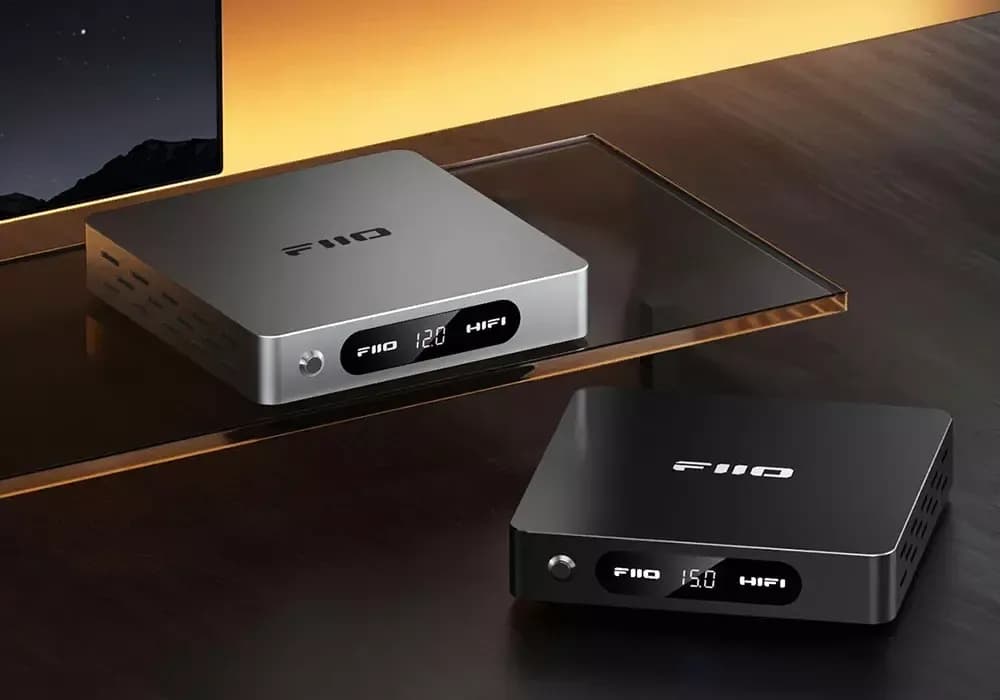
* FiiO DARKSIDE PRO is a linear power supply designed for sensitive Hi‑Fi components, targeting audible improvements through ultra‑clean, low‑noise power deliv…

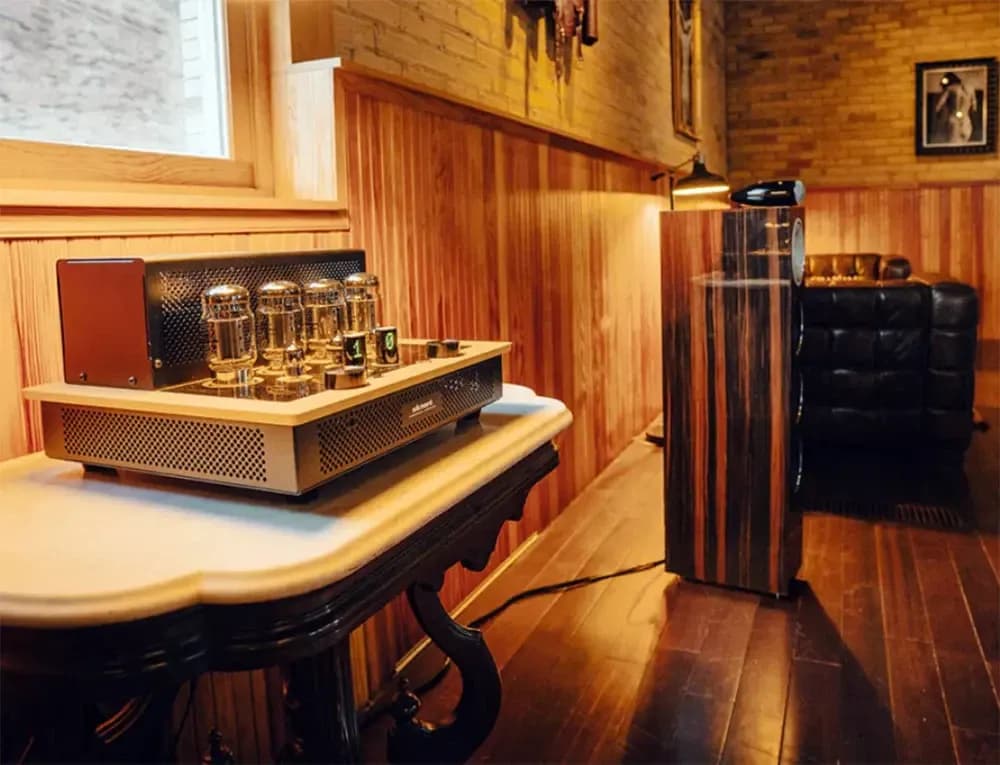
* Audio Research I/55 is a compact tube integrated amplifier derived from I/70, succeeding I/50, targeting high-end listeners seeking classic tube sound with m…

* ToxFreeLife tested 81 headphone models from brands including Sony, Apple, JBL, Bose, Samsung, and Temu across European retail and online marketplaces.