Get the weekly hi-fi digest — new gear, best reads, and deals.

Acapella Audio Arts transitions leadership to Richard Rudolph, succeeding founders Alfred Rudolph and Hermann Winters after nearly 50 years guiding the hyperspherical horn loudspeaker specialist.
Global distribution shifts to Marc Lindike’s Unbelievable Audio, ending direct factory sales and moving all purchases exclusively through authorized specialist retailers worldwide.
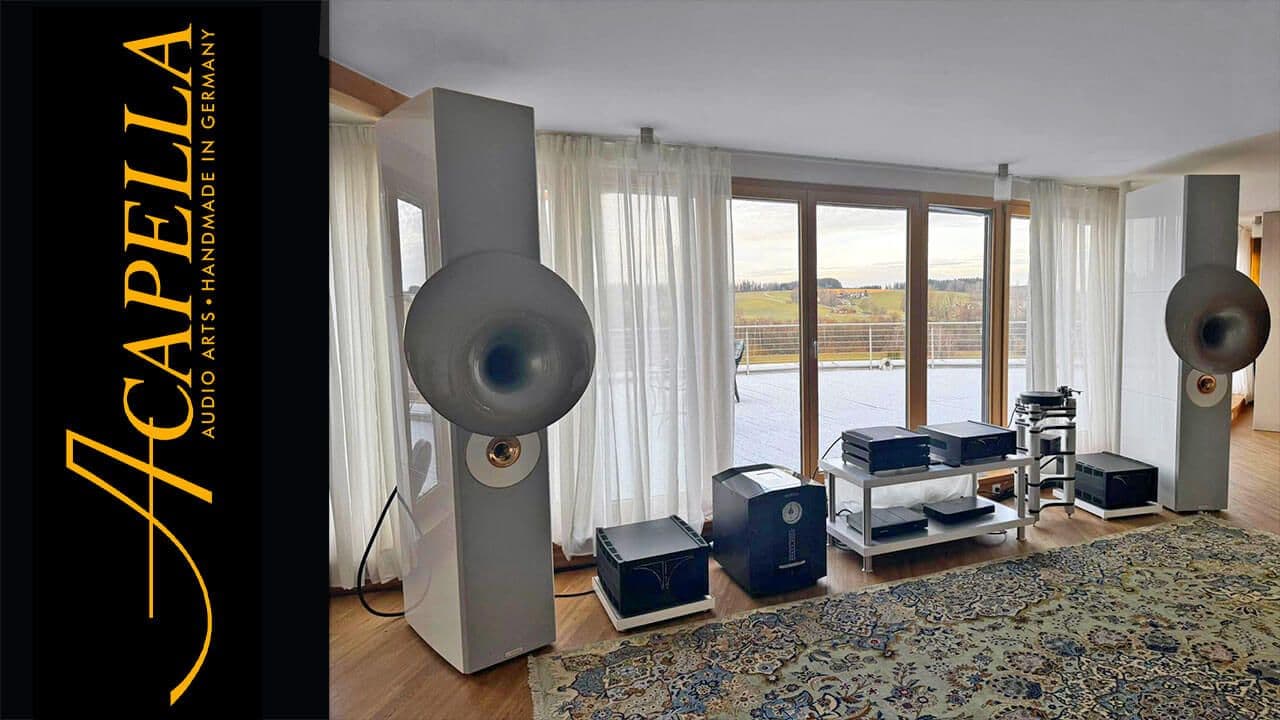
The former Duisburg showroom closes, replaced by the new “Sonic Sanctuary” showroom in Isen near Munich, featuring five listening rooms across roughly 400 square meters.
Beyond the headline changes, the restructuring at Acapella reads like a deliberate recalibration of how ultra–high-efficiency horn systems are contextualized and controlled. The move away from factory-direct sales signals a tighter grip on system matching and presentation—critical for loudspeakers whose hyperspherical ion tweeters and wideband horn loading are notoriously sensitive to room geometry, amplification topology, and setup discipline. From an engineering standpoint, Acapella’s designs have always favored immediacy and transient purity over polite universality; delegating sales to specialist dealers reduces the risk of these speakers being heard under suboptimal conditions that would mask their low-mass diaphragm advantages and phase-coherent horn behavior.
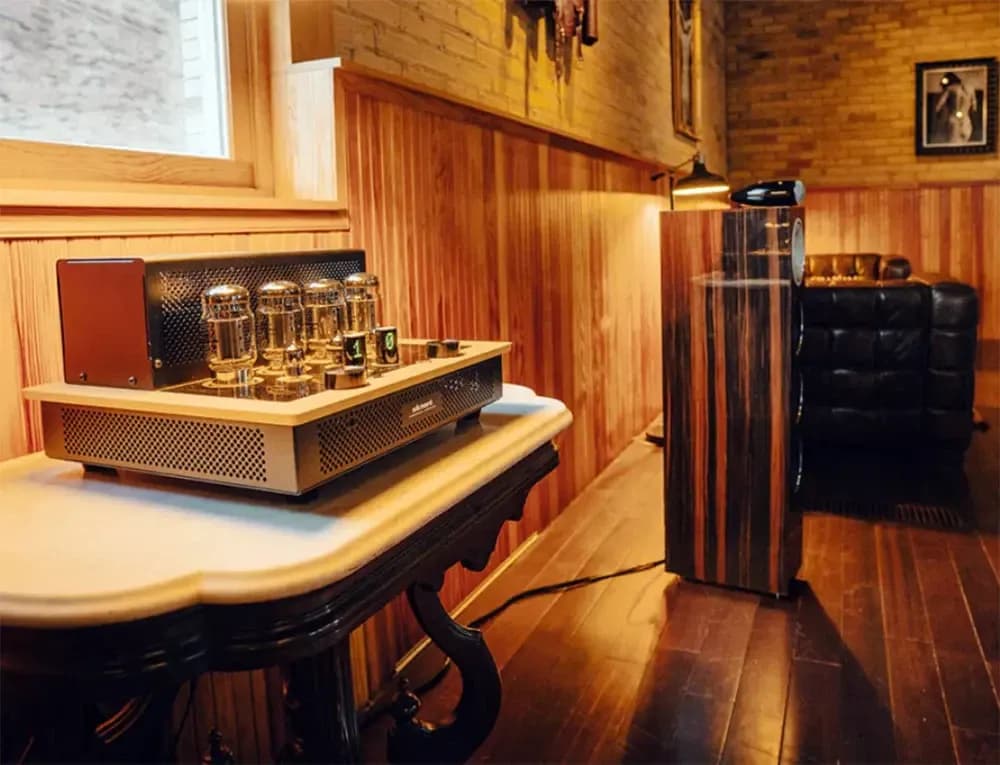
The new Bavarian showroom underlines this philosophy with a room concept that scales alongside the products themselves. Smaller listening spaces demonstrate how Acapella’s horn principles behave at realistic domestic volumes, while progressively larger rooms allow the big multi-horn systems to breathe, particularly in the lower midrange where horn mouth size and boundary interaction become decisive. Pairings with both cost-no-object and comparatively restrained electronics quietly illustrate another point often debated in audiophile circles: Acapella’s high sensitivity does not automatically demand extreme power, but it does expose noise floors, gain structure, and DAC linearity with little mercy. That explains the recurring focus on ultra-low-noise digital front ends and stable, high-current amplification rather than sheer wattage.
From an industry perspective, placing this facility near a major international airport is less about convenience and more about positioning Acapella as a destination brand again—one where the full acoustic intent of its most ambitious designs can be experienced as a coherent system, not a trade-show compromise. The underlying message is technical rather than promotional: these loudspeakers are architectural objects as much as electroacoustic ones, and understanding them requires space, time, and a controlled signal chain. In that sense, the new structure feels less like a reboot and more like a return to fundamentals, refined for a global high-end audience that increasingly values proper implementation over headline spectacle.
New gear, best reads, and deals — every Friday.

* Audio Research I/55 is a compact tube integrated amplifier derived from I/70, succeeding I/50, targeting high-end listeners seeking classic tube sound with m…

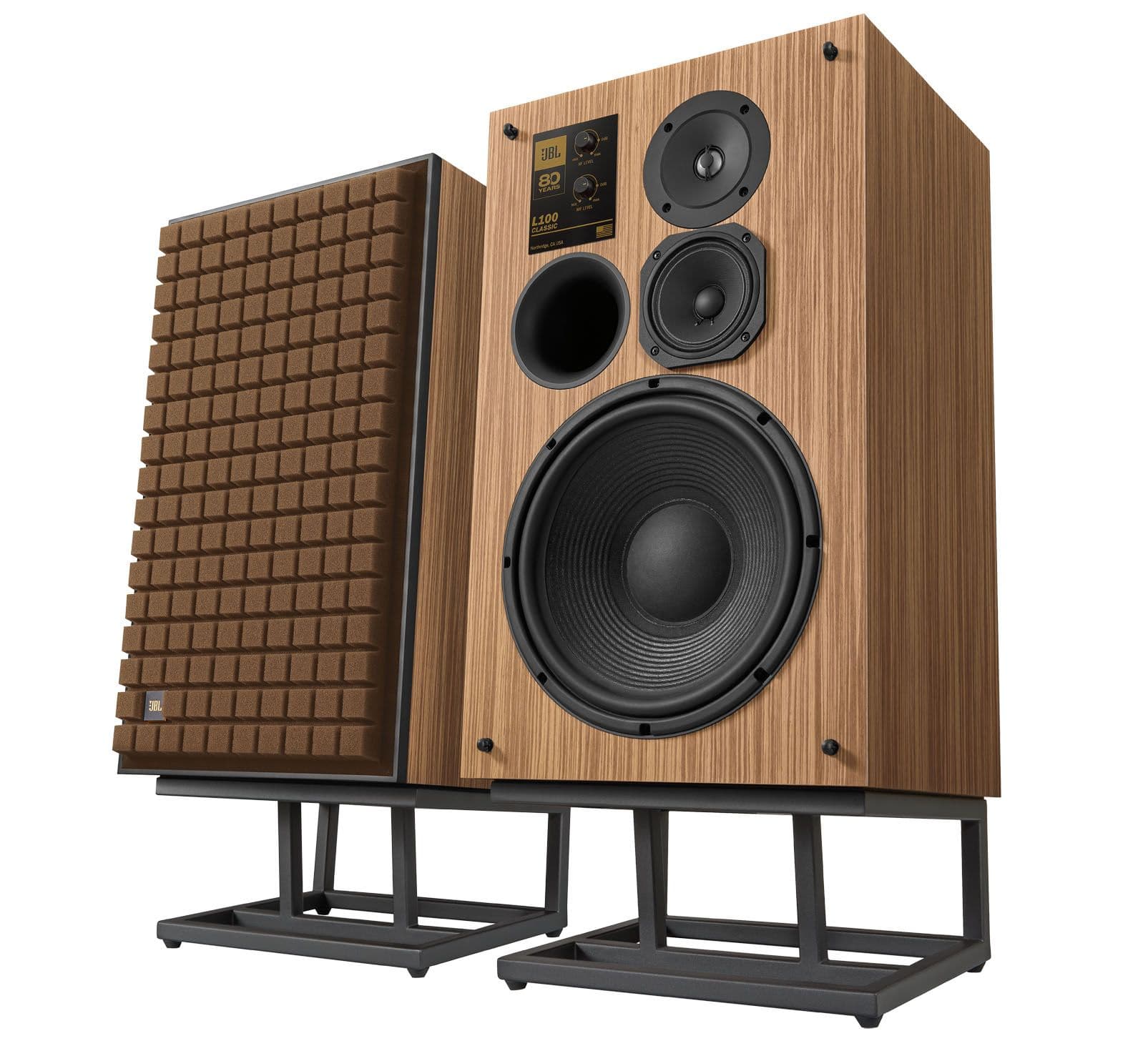
* JBL L100 Classic 80 commemorates JBL’s 80th anniversary, based on the L100 Classic Mk2, with full six-sided oak real-wood veneer cabinetry.

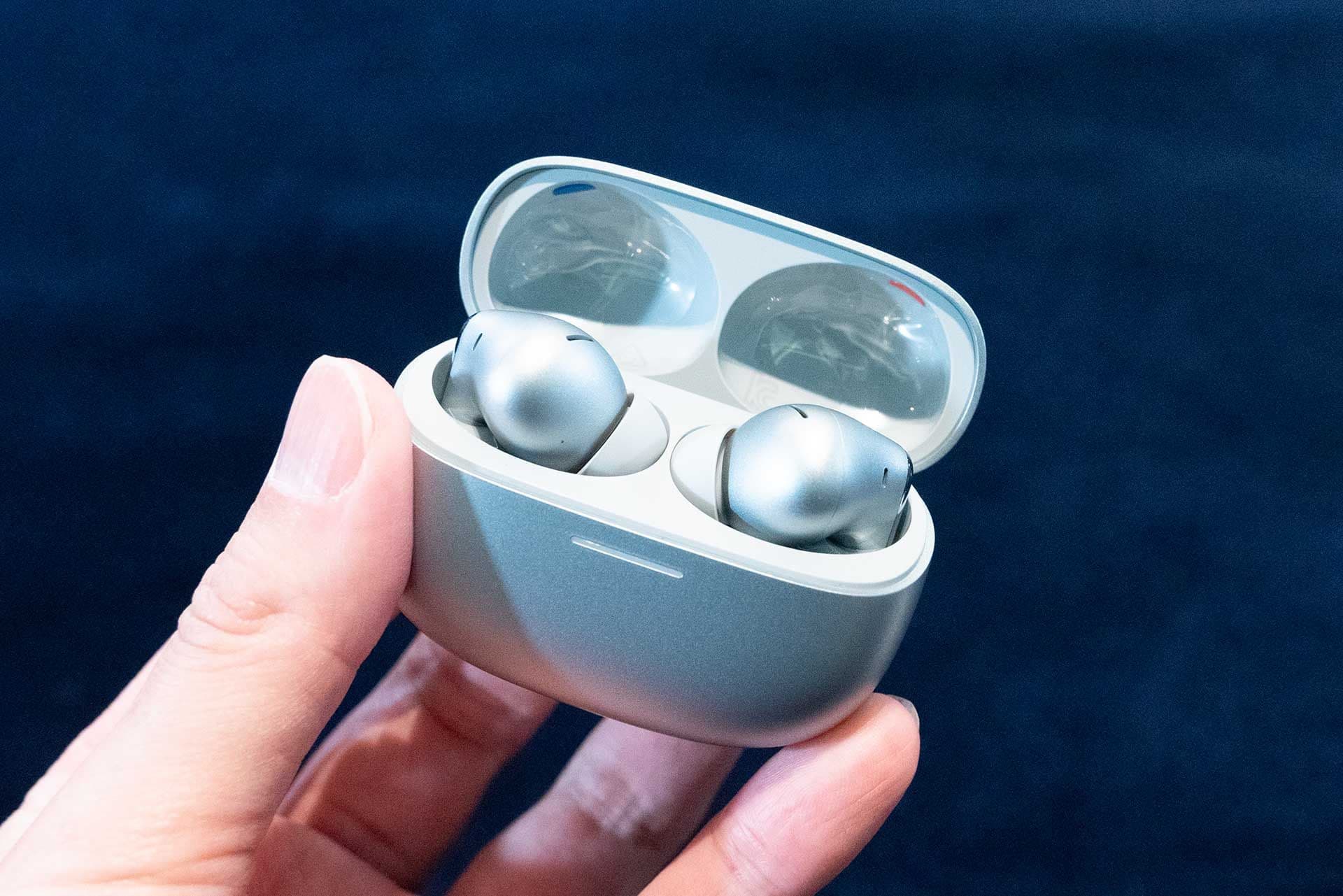
* Xiaomi Japan launched the REDMI Buds 8 Pro on February 24, priced around ¥9,980, with an early-bird discount of ¥8,980 until March 9.

HiFi.De
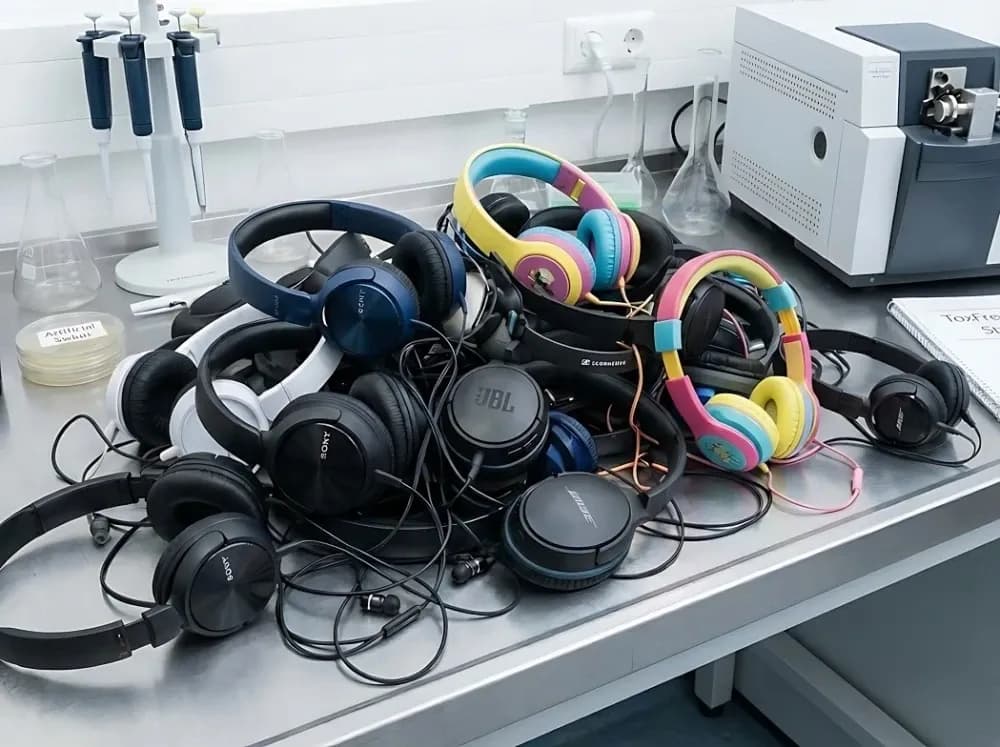
* ToxFreeLife tested 81 headphone models from brands including Sony, Apple, JBL, Bose, Samsung, and Temu across European retail and online marketplaces.