Get the weekly hi-fi digest — new gear, best reads, and deals.

Apple announced its first major 2026 event, branded a "special Apple Experience," scheduled for March 4 in London, New York, and Shanghai.
The most anticipated launch is iPhone 17e, logically timed after the iPhone 16e anniversary on February 19, signaling Apple’s continued mid-cycle smartphone strategy.
Rumored MacBook and iPad updates may introduce next-generation processors and possibly advanced display technologies, marking meaningful performance and efficiency improvements across core product lines.
Beyond the headline devices, the framing of this event hints at Apple re-centering its hardware narrative around silicon efficiency rather than sheer feature count. The chatter around MacBook and iPad refreshes consistently points to next‑generation SoCs that prioritize sustained performance per watt, which matters not only for battery life but also for thermal noise profiles. For laptop users who care about low acoustic floors during DSP-heavy audio work or high‑resolution streaming, cooler-running processors and updated display pipelines (potentially with higher PWM frequencies or improved mini‑LED local dimming algorithms) would represent a tangible quality-of-life upgrade rather than a spec-sheet flex.
More intriguing for Hi‑Fi observers is how Apple may rebalance its living‑room ecosystem. The current Apple TV 4K remains respected for its clean HDMI output path and predictable audio handling, but its aging silicon limits future codec and UI ambitions. A newer processor would not just accelerate menus; it would allow more complex on-device processing, tighter A/V sync, and broader headroom for spatial audio frameworks without taxing the system. Some analysts see this as Apple quietly reinforcing the Apple TV as a reference-grade digital transport—less about apps, more about stability, bit‑perfect output, and consistent tvOS behavior over long sessions.
The HomePod line sits at a crossroads, and sources diverge here. One camp expects a straightforward generational refresh of the compact speaker, focusing on updated wireless chips, faster internal DSP, and more responsive room correction. Another points to Apple exploring a hybrid device with a screen, which would inevitably shift design priorities toward user interaction and visual feedback. From an audiophile standpoint, the question is whether Apple doubles down on tonal balance, micro-dynamics, and phase coherence, or treats sound as one subsystem among many. After years of incremental changes, even subtle improvements in amplification topology or microphone array tuning could significantly reshape how HomePod fits into serious home audio setups.
New gear, best reads, and deals — every Friday.

* Audio Research I/55 is a compact tube integrated amplifier derived from I/70, succeeding I/50, targeting high-end listeners seeking classic tube sound with m…

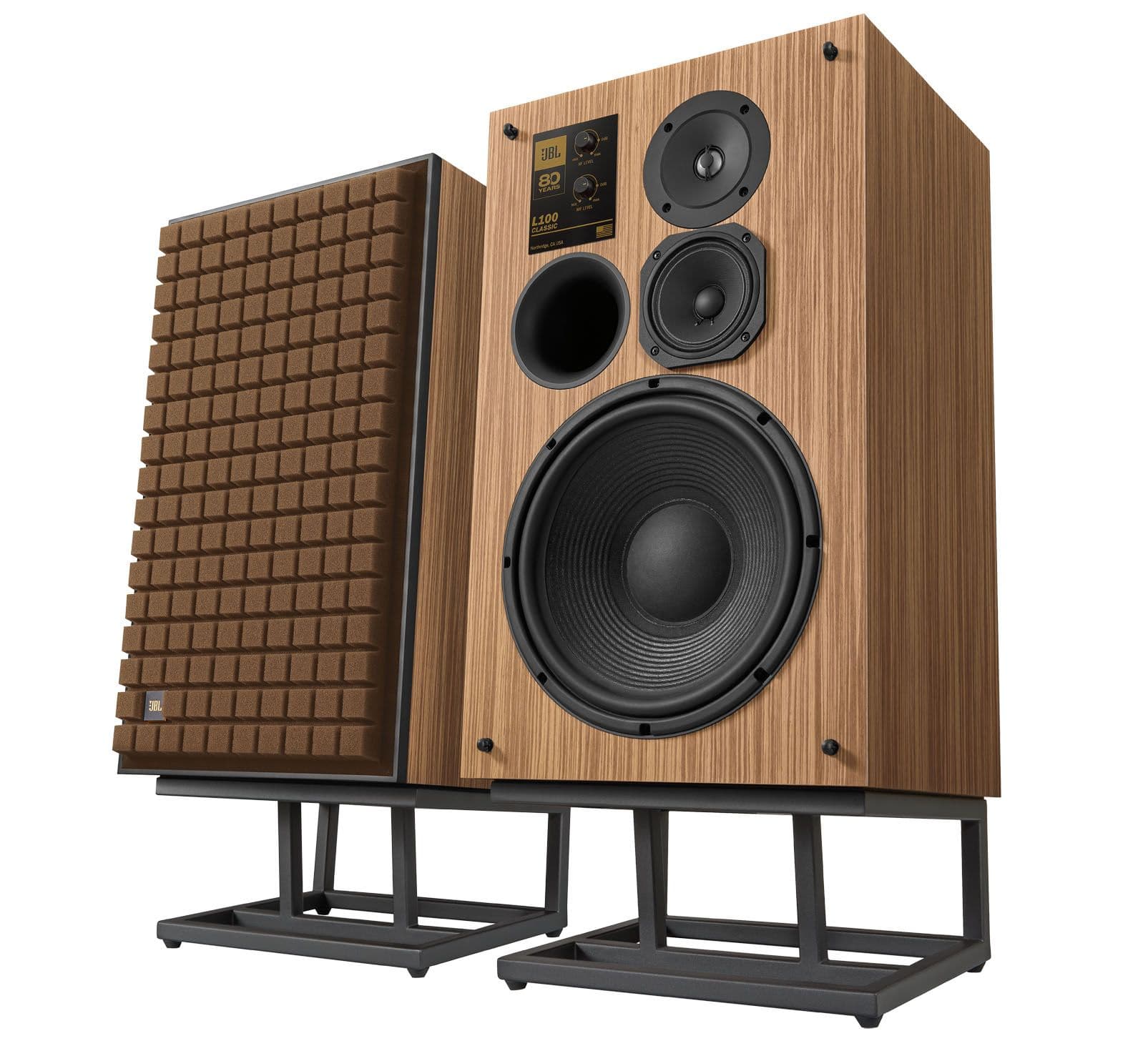
* JBL L100 Classic 80 commemorates JBL’s 80th anniversary, based on the L100 Classic Mk2, with full six-sided oak real-wood veneer cabinetry.

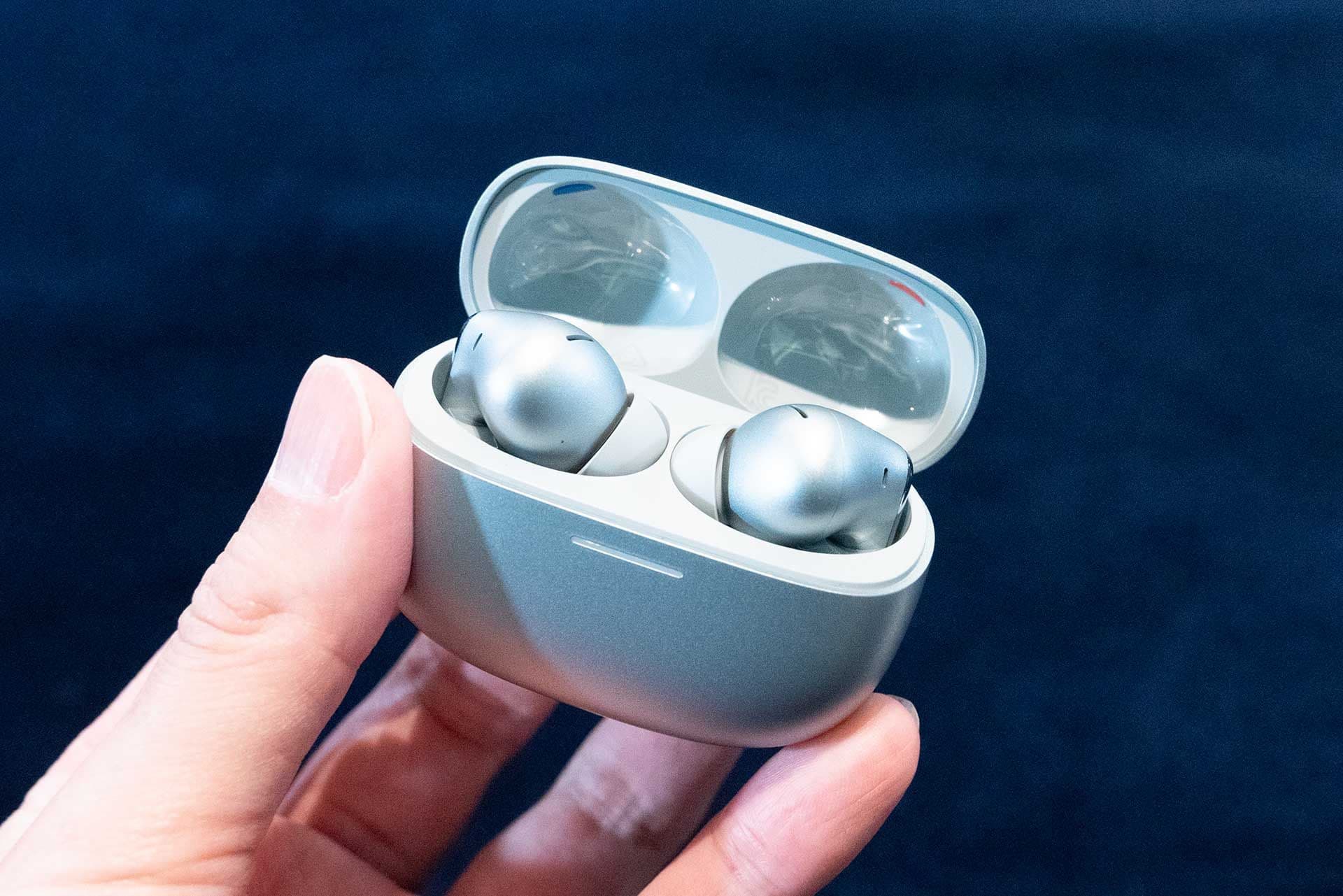
* Xiaomi Japan launched the REDMI Buds 8 Pro on February 24, priced around ¥9,980, with an early-bird discount of ¥8,980 until March 9.

HiFi.De
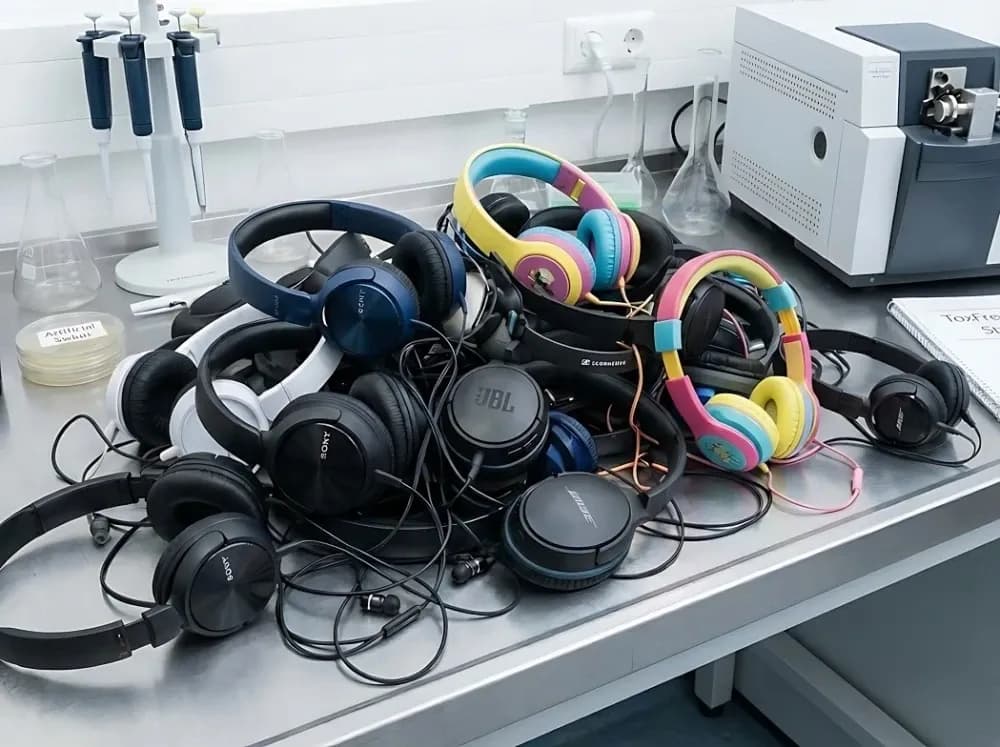
* ToxFreeLife tested 81 headphone models from brands including Sony, Apple, JBL, Bose, Samsung, and Temu across European retail and online marketplaces.