Get the weekly hi-fi digest — new gear, best reads, and deals.

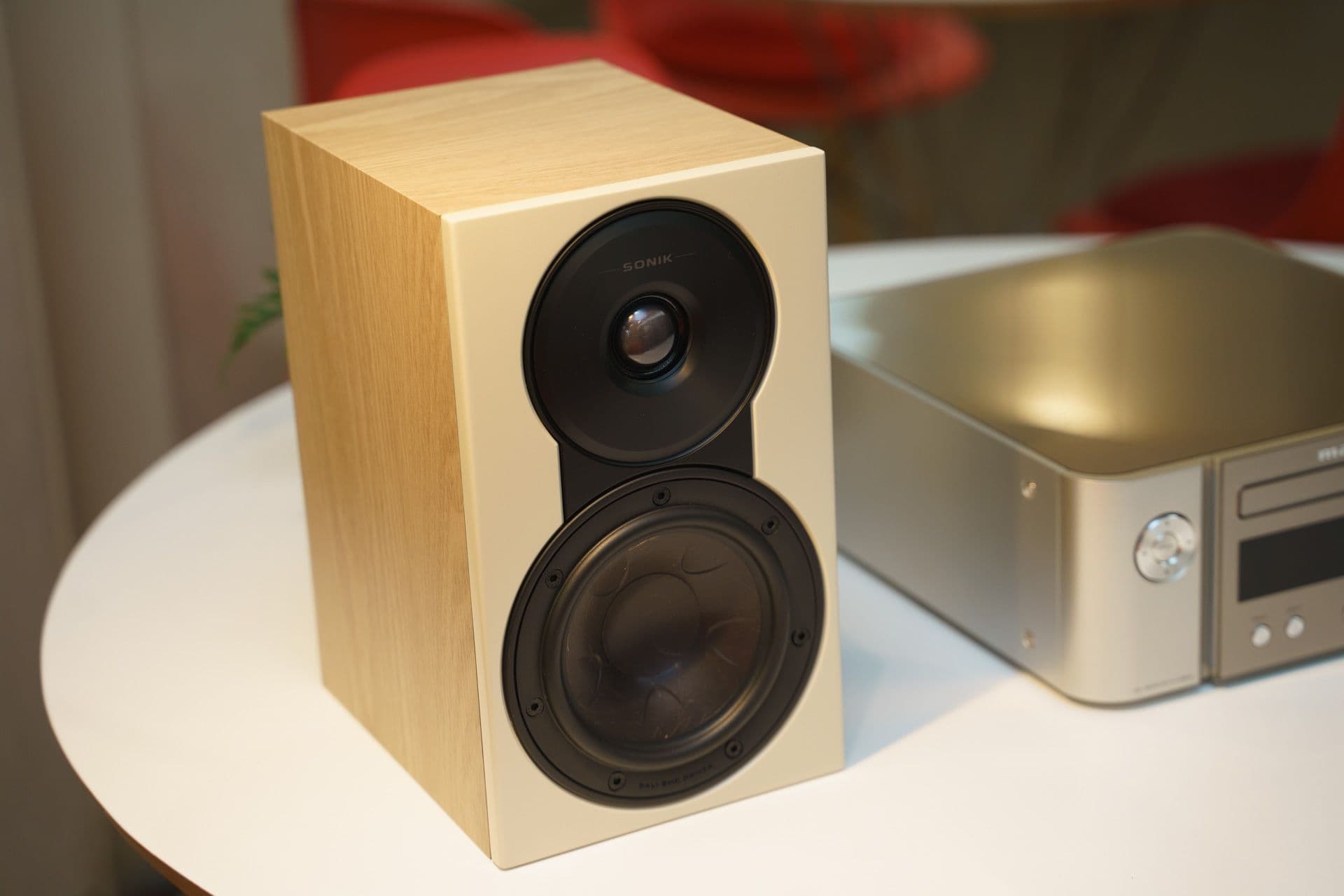
DALI launches the SONIK series on March 3 as the OBERON successor, spanning bookshelf to floorstanders, with prices from ¥90,200 per pair to ¥215,600 per speaker.
All SONIK models use 29mm soft-dome tweeters refined with ultra-low-viscosity magnetic fluid, improving mid–high frequency integration and spatial depth versus OBERON.
Upper floorstanders SONIK 7 and SONIK 9 add a 17×45mm planar ribbon tweeter, forming DALI’s signature hybrid tweeter for higher treble detail and smoothness.
What emerges from SONIK is less a cosmetic refresh and more a rebalancing of DALI’s long‑standing driver philosophy. The most telling change lies in how mechanical losses are managed at the top of the midband. By dramatically lowering the resistance imposed on the tweeter’s motor system, the overlap region with the mid/woofer behaves with noticeably less hysteresis. From a technical standpoint, this suggests the crossover no longer has to “fight” stored energy around the knee frequency, allowing gentler electrical slopes and a more phase-coherent handoff. Several sources frame this as a KORE-derived mindset trickling down, not in raw materials but in how energy is dissipated rather than damped into submission. The result is a tonal balance that remains recognisably DALI—organic and slightly warm—yet with transient edges that arrive sooner and decay more cleanly.
The wood‑fiber cone revisions point in the same direction. The shaped reinforcement pattern in the diaphragm is not about stiffness alone; it selectively suppresses break-up modes that typically bloom in the upper midrange. When combined with the SMC-based motor geometry, the electrical impedance seen by the amplifier is cleaner under dynamic load, which may explain why SONIK is repeatedly described as sounding “faster” without leaning brighter. One perspective highlights distortion reduction as the headline metric, while another emphasizes subjective timing and flow; technically, both are linked. Lower odd-order artifacts reduce the psychoacoustic masking that often blurs rhythmic information, especially on acoustic bass and piano fundamentals.
Cabinet and interface decisions reinforce this low-noise narrative. CNC-cut panels and carefully flared ports are less about headline bass output and more about keeping pressure modulation linear at realistic listening levels. The floorstanding enclosures, in particular, appear tuned to avoid the slightly loose upper-bass character common in entry-class towers, trading a touch of warmth for pitch definition. Even the terminal construction hints at an intent to minimize micro-vibration rather than chase exotic wiring options. Taken together, SONIK reads as a series that prioritizes coherence—mechanical, electrical, and spatial—over spectacle, aligning entry-level pricing with design cues more often associated with DALI’s aspirational models.
New gear, best reads, and deals — every Friday.

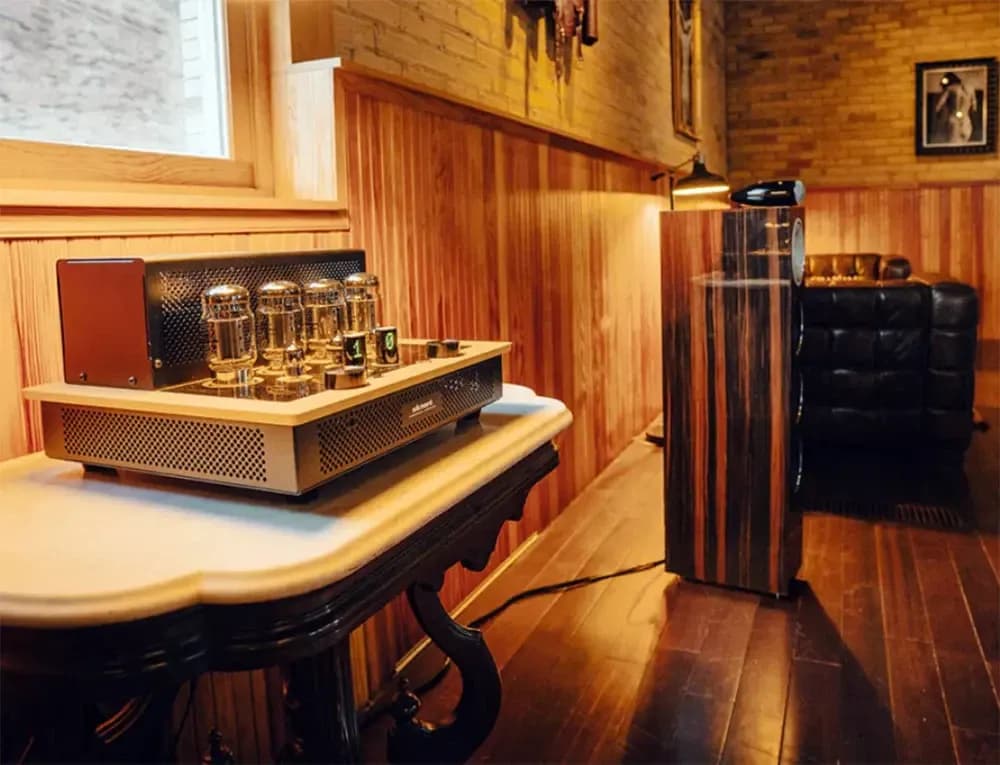
* Audio Research I/55 is a compact tube integrated amplifier derived from I/70, succeeding I/50, targeting high-end listeners seeking classic tube sound with m…

T3 Audio
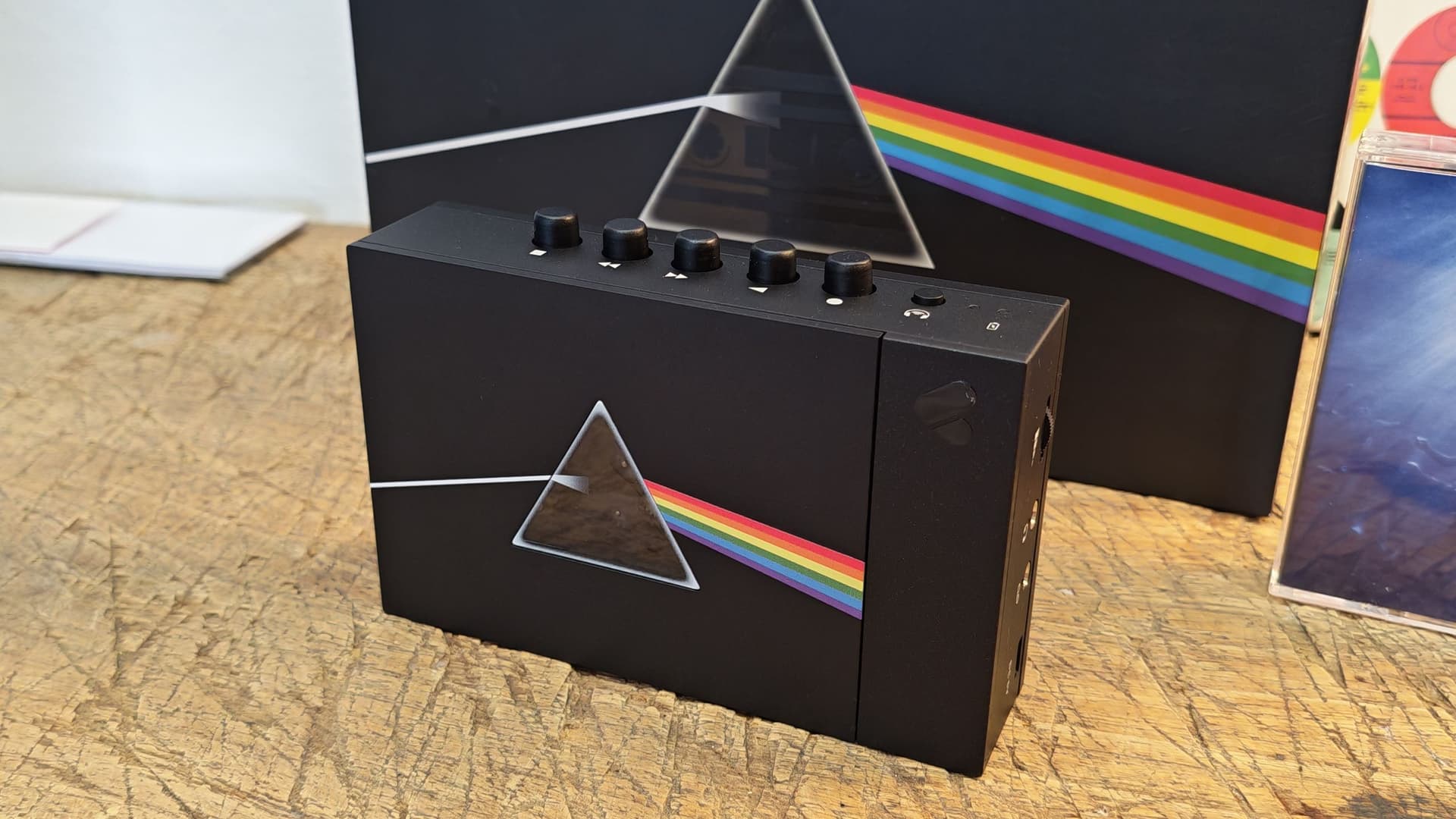
* We Are Rewind announces a limited edition cassette player celebrating Pink Floyd, featuring the iconic Dark Side of the Moon prism artwork on the device.

* ToxFreeLife tested 81 headphone models from brands including Sony, Apple, JBL, Bose, Samsung, and Temu across European retail and online marketplaces.

* Xiaomi Japan launched the REDMI Buds 8 Pro on February 24, priced around ¥9,980, with an early-bird discount of ¥8,980 until March 9.